

In an unprecedented turn of events, strange seismic activity ripples across the globe, awakening volcanoes that spew not lava and ash, but an invisible gas. Surprisingly, this gas poses no harm to mammals and insects, but it proves lethal to humans despite gas masks and medications. Faced with this existential threat, humanity is compelled to seek refuge in the one place where the gas cannot reach: underwater.
Global migration to the seas and oceans commences, with the construction of underwater cities using anti-corrosive metals and moisture-resistant materials. As the population swells, people are compelled to move farther away from the shore, braving the increasing water pressure. While some progress deeper into the ocean floor, others settle in coastal parts, ponds, and lakes, which provide easier movement and cleaner water.
To facilitate life underwater, famous automobile brands design stylish submarines and closed boats equipped with filtration systems. Scientists and engineers develop technology to extract oxygen from water efficiently, ensuring a constant supply of fresh air in every underwater house. Special boxes are designed to remove carbon dioxide from rooms, releasing it into the water. Clothing brands create fashionable diving suits with built-in heating systems to combat the cold temperatures.
Underwater mills generate electricity, and high-speed trains travel through vacuum pipes. Aquatic farms are established, where livestock graze on grass and seeds, while oxygen-producing plants thrive in incubators. The human body adapts to the underwater environment, with smoother skin and stronger muscles developed through constant movement against water resistance. Swimming becomes a daily exercise, resulting in a physique akin to Olympic swimming champions.
Doctors, biologists, and engineers collaborate to create masks that allow people to breathe underwater like fish, eliminating the need for oxygen tanks. However, the reduced sunlight exposure underwater leads to vitamin D deficiency, causing depression and weakened immune systems. To address this, scientists install huge ultraviolet lamps to illuminate the seabed and compensate for the lack of natural sunlight.
Life in the underwater cities mirrors life on land in many ways. People frequent cafes, cinemas, and gyms, pursue education, work, and abide by familiar laws. However, they navigate through water instead of walking the streets. The underwater world proves resourceful, with abundant reserves of oil, minerals, and valuable commodities, driving economic growth. Mega-cities emerge in the depths, while lakes transform into sought-after resorts.
On the surface, the abandoned traces of human civilization vanish, with nature reclaiming deserted cities. Animals, free from human interference, thrive, and seismic activity reshapes the land, submerging buildings underground. Fish, facing increasing pressure from humans, evolve to adapt to their new challenges. Some develop limbs and crawl on land to escape predators, gradually transitioning into mammalian-like creatures.
Meanwhile, humanity endeavors to build powerful spaceships to search for a new habitable planet. As space exploration advances, there is a growing realization that Earth's limited underwater space is insufficient, and the water is becoming polluted. Oxygen depletion threatens vital seaweed and photoplankton, the primary oxygen suppliers. Acknowledging these challenges, humans prepare for the gradual evacuation of Earth, spanning several centuries.
In the midst of this, octopuses, evolving at an accelerated rate due to the volcanic gas, surpass mammals in intelligence and mastery of the environment. Observing the mass exodus of humans into the sky, octopuses witness a familiar pattern from their ancestral memories deep within their DNA. They embark on their own journey, constructing their civilization, utilizing tools, and discovering remnants of the extinct human civilization.
As the octopuses unlock the secrets of the past, humans explore the vastness of space and encounter a highly intelligent humanoid species resembling octopuses. These beings share the history of their own civilization on Earth, where they, too, faced oxygen toxicity. In their case, the octopuses sought refuge in the ocean and subsequently adapted, while these humanoid octopuses ventured into space.
As the tales of both species intertwine, it becomes evident that the cycle of evolution and adaptation has repeated itself. The octopuses of Earth now realize their origins and collaborate with the space octopuses. Together, they ponder the mysteries of the vanished human civilization and embark on a new era, one where octopuses rise to prominence as the dominant species on Earth once more.
About the Creator
Keep reading
More stories from Jack Mutinda and writers in Earth and other communities.
THE SUN'S EVIL TWIN
As stars go, our Sun may seem relatively ordinary. It is a yellow dwarf, one of the millions of similar stars in the universe. Despite its apparent lack of uniqueness, we hold a special place for the Sun in our hearts. It is the only star we have, and it provides us with life. However, the Sun's story wasn't always so mundane. Once upon a time, it may have had a twin, a lost sibling that could have had significant implications for our planet.
By Jack Mutinda3 years ago in Earth
Stress-Free Travel: Plan Now to Avoid Holiday Scams and Pitfalls
The holiday season is a time of joy, adventure, and travel, but it can also bring stress, scams, and unexpected pitfalls. Whether you’re planning a tropical getaway, a city break, or a cozy family visit, early preparation and smart planning are essential to ensure your travel is smooth and enjoyable. Here’s a guide to help you navigate common holiday travel challenges and keep your trips stress-free.
By Aarif Lashari5 days ago in Earth
UAE Weather Tomorrow: Rains Likely; Temperatures to Rise
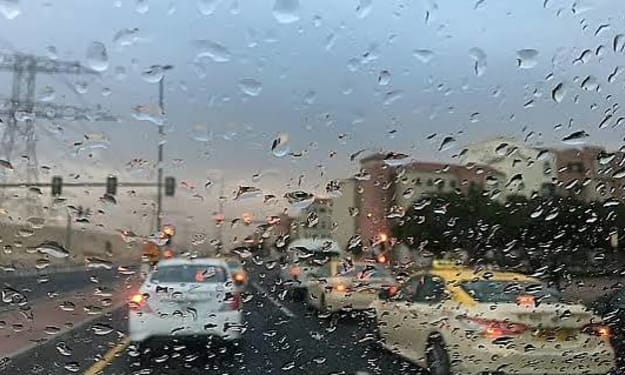
The United Arab Emirates is preparing for a change in its weather conditions as forecasters predict rain and rising temperatures across the country tomorrow. Residents and travelers are advised to stay updated with local weather alerts, as the shift could affect daily activities, traffic, and outdoor events. Meteorologists have noted that this weather pattern is part of a seasonal transition, bringing a mix of showers, mild winds, and warmer daytime temperatures. The change comes after several days of relatively dry and moderate weather across the UAE. Expected Weather Conditions According to the National Centre of Meteorology (NCM), the UAE will experience partly cloudy skies in most areas, with chances of scattered rain showers in some regions. Temperatures are expected to rise slightly, reaching maximums higher than the recent average for this time of year. Specific forecasts for major cities include: Abu Dhabi: Cloudy periods with isolated showers; temperatures between 22°C and 30°C Dubai: Sunny to partly cloudy with chances of light rain; temperatures around 24°C–31°C Sharjah: Light rain expected in some areas; highs of 30°C Northern Emirates (Ras Al Khaimah, Fujairah): Increased cloud cover with scattered showers; temperatures between 20°C and 29°C The NCM has also issued a notice for occasional gusty winds, particularly along coastal areas, which may affect marine activities and beachgoers. Causes of the Weather Change Meteorologists explain that the predicted rains and temperature rise are linked to: Shifting air masses: Cooler air from the north interacting with the warmer Gulf air is causing cloud formation and occasional rain. Seasonal transition: As the UAE moves towards its warmer months, temperatures naturally rise, even as intermittent rain falls in some areas. Regional atmospheric disturbances: Occasional low-pressure systems over the Arabian Peninsula bring moisture from surrounding seas, increasing rain potential. While the rain is expected to be light to moderate, it can temporarily affect visibility and road conditions, especially in areas prone to water accumulation. Impact on Daily Life Residents and visitors are advised to consider the following due to the changing weather: Road Safety: Rain may make roads slippery. Drivers are encouraged to maintain safe speeds and keep a safe distance from other vehicles. Travel Plans: Flight schedules may experience minor delays due to weather-related air traffic adjustments. Outdoor Activities: Those planning outdoor events, picnics, or beach visits should check local forecasts and be prepared for sudden showers. Marine Conditions: Boating and fishing enthusiasts should note choppy seas due to gusty winds, particularly along the UAE coastline. Temperature Trends While rain is expected, temperatures are forecasted to rise slightly across the country. Daytime highs will generally reach 30°C to 31°C in major cities, with cooler early mornings between 20°C and 24°C. Meteorologists emphasize that even with rain, the overall trend points toward warmer daytime conditions, marking a transition into the pre-summer period. Nights may remain slightly cooler, offering relief from the daytime heat. Preparation and Precautionary Measures Weather experts advise the public to take simple precautionary measures: Carry umbrellas or raincoats when moving outdoors. Check local weather apps and official NCM updates regularly. Drive cautiously on wet roads and follow traffic advisories. Secure outdoor items such as furniture, tents, or decorations that could be affected by gusty winds. Stay informed about marine weather updates if engaging in boating or fishing activities. By taking these precautions, residents can safely navigate the changes in weather without significant disruption to daily life. Regional Weather Patterns The UAE’s weather is influenced by its desert climate, but seasonal shifts and occasional regional disturbances often bring short-term rainfall and temperature variations. Northern Emirates: More likely to receive rain due to proximity to the Hajar Mountains, which can trap moist air and cause showers. Central and Southern Emirates: Rain is usually less frequent, but isolated showers can occur, particularly near coastal regions. Coastal Areas: Experience higher humidity and occasional gusty winds, especially when rain systems pass through. Expert Advice Experts from the NCM stress that such weather changes are normal and seasonal. While heavy rains are unlikely, even light showers can temporarily affect commuting, outdoor plans, and local businesses. Meteorologists also advise keeping an eye on short-term forecasts, as local weather can shift rapidly due to regional atmospheric changes. Conclusion Tomorrow, the UAE can expect a mix of rain showers and rising temperatures, signaling a shift in the seasonal weather pattern. Residents are encouraged to stay informed, take necessary precautions, and plan outdoor activities carefully. While the rain may be light and scattered, its presence reminds everyone that even in a predominantly arid country, weather conditions can change quickly, affecting roads, travel, and daily life. With proper awareness and preparation, the UAE’s residents and visitors can navigate these weather changes safely while enjoying the mild rainfall and warmer daytime temperatures.
By Fiaz Ahmed about 10 hours ago in Earth


Comments
There are no comments for this story
Be the first to respond and start the conversation.