
“Why We're All Addicted to the Internet — And No One Cares”
"We’re lonelier, angrier, and more wired than ever—and we still won’t log off."

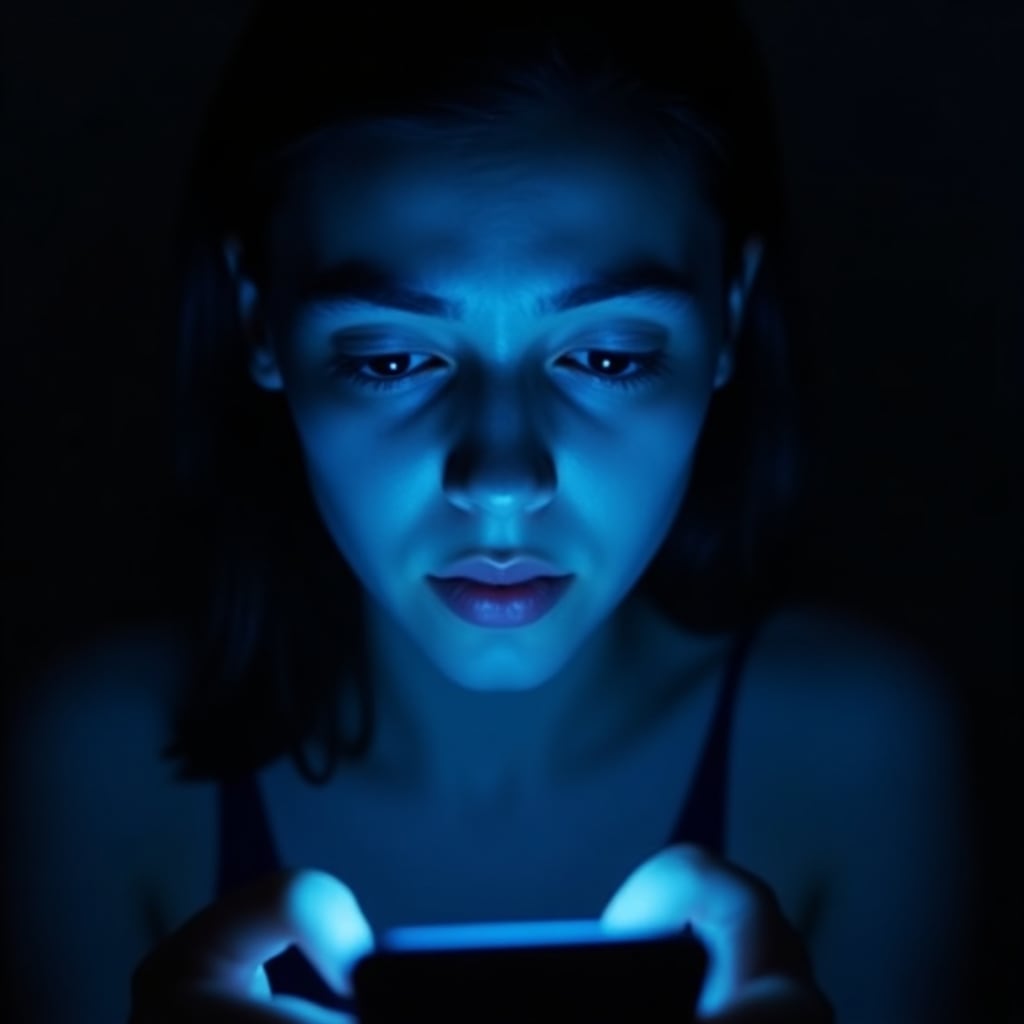
I didn’t even notice it happening.
One day I was a kid who played outside until the streetlights came on. The next, I was a grown adult who instinctively reached for my phone before I even brushed my teeth. I scroll before I get out of bed. I scroll in line at the grocery store. I scroll while watching Netflix. Sometimes I even scroll while scrolling.
And here’s the scariest part: I know it’s unhealthy.
I know it’s changing my brain.
I know it’s numbing me.
And I still do it.
We all do.
Somewhere along the way, the internet stopped being a tool—and became a trap.
The New Normal
When people talk about addiction, we usually imagine extremes. We think of someone unable to function without a substance or behavior. But what about an addiction that is your function?
The average person spends nearly 7 hours a day online. That’s not a stat I made up—that’s real. Social media, YouTube, streaming, news, messaging—our lives are wrapped around Wi-Fi signals.
We’re always plugged in.
We’re always reachable.
And somehow… we’ve never felt more alone.
We text more, but talk less.
We know what's happening everywhere, but feel numb to all of it.
We "like" hundreds of posts, but still feel deeply disconnected.
This is digital dependence—and it’s the water we’re swimming in.
It's Not Just You
Feeling scattered? Unfocused? Like you can't sit still or be present for more than five minutes?
You're not broken. You're just overstimulated.
Apps are literally engineered to keep you addicted.
They reward you with dopamine hits—likes, views, follows—small bursts of validation that make your brain light up like a pinball machine. It feels good, briefly, and then the crash hits. So you chase it again.
This isn’t accidental.
It’s the business model.
Every second you stay on the app, they profit. Every moment you scroll, they learn more about you. The more time you give, the more data you hand over—and the more addicted you become.
We’re not just consumers anymore.
We’re the product.
The Price of Constant Connection
Let’s talk about what we’ve lost.
We’ve lost our attention spans.
Studies show the average person’s ability to focus has shrunk drastically in the last decade. We multitask constantly—music in one ear, TikTok on mute, texting someone while emailing someone else. It’s mental noise, all the time.
We’ve lost boredom.
Remember staring out the window and daydreaming? That was your brain resting. Creating. Breathing. Now, any quiet moment is filled with content. We can’t even sit at a red light without checking notifications.
We’ve lost real connection.
Likes aren't love. Comments aren't conversations. A streak isn’t a friendship. We’re tricking our brains into thinking we’re socially satisfied, but underneath, we’re starving for true human interaction.
And perhaps most heartbreaking—we’ve lost a sense of presence.
We’re so busy capturing moments, curating them, filtering them for strangers… that we’re not actually living in them.
Why No One Seems to Care
We joke about it.
“Oops, I spent 4 hours on Instagram.”
“I swear TikTok time isn’t real.”
“I can’t live without Wi-Fi.”
But under the humor, there’s a quiet anxiety.
We know we’re addicted. But logging off feels like missing out. Being unreachable feels like being invisible. And when the world is on fire, distraction feels like the only form of survival.
Plus, quitting isn’t easy when everyone else is still plugged in. The digital world has become our social glue, our work hub, our news source, and our entertainment fix—all rolled into one. It’s not just a habit. It’s a lifestyle.
And to question it? That’s almost taboo.
So… Now What?
This isn’t a story about quitting the internet cold turkey. That’s unrealistic—and honestly, not necessary.
This is a story about waking up.
We don’t need to delete everything. But we do need to reclaim control.
Start with 15 minutes a day of no-screen time. Eat a meal without checking your phone. Go for a walk without earbuds. Journal instead of tweeting. Turn off notifications. Set app timers. Ask yourself, “Do I really want to open this—or am I just avoiding something?”
The truth is: the internet isn’t evil.
But it is engineered to exploit our minds.
And until we start caring—really caring—about how it affects us, nothing changes.
We’re addicted. That much is clear.
But we don’t have to stay that way.
Because once you notice the trap, you can stop feeding it.
Once you pause long enough to feel what you’ve been avoiding, you can start healing.
And maybe—just maybe—you’ll find that life offline?
It’s still out there.
Waiting for you to look up.
About the Creator
Moments & Memoirs
I write honest stories about life’s struggles—friendships, mental health, and digital addiction. My goal is to connect, inspire, and spark real conversations. Join me on this journey of growth, healing, and understanding.
Keep reading
More stories from Moments & Memoirs and writers in Confessions and other communities.
“The Man Who Followed Me Home”
It’s been eight years, and I still can’t take the same route home twice in a week. Back then, I was twenty-two, broke, and living in a tiny basement apartment on the edge of downtown. The rent was cheap because the walls were thin, the plumbing rattled, and the windows barely latched.
By Moments & Memoirs7 months ago in Confessions
Rewriting the Story: The Quiet Struggle to Rebuild a Public Image
One thing I’ve always found fascinating is how people attempt to rebuild their reputations after difficult public moments. In ordinary life, changing direction after a setback can be challenging enough. But when your life unfolds under the constant attention of global media, that process becomes even more complicated.
By CelebCast Centralabout 12 hours ago in Confessions



Comments (1)
I get it. I find myself mindlessly scrolling too. It's crazy how much our lives are wrapped around the internet. It's like we're in a digital trap.