
Why I Won’t Tell You to Dump Your Boyfriend — Even If He’s Abusive
How unconditional friendship can be a lifeline in the isolating world of domestic abuse.

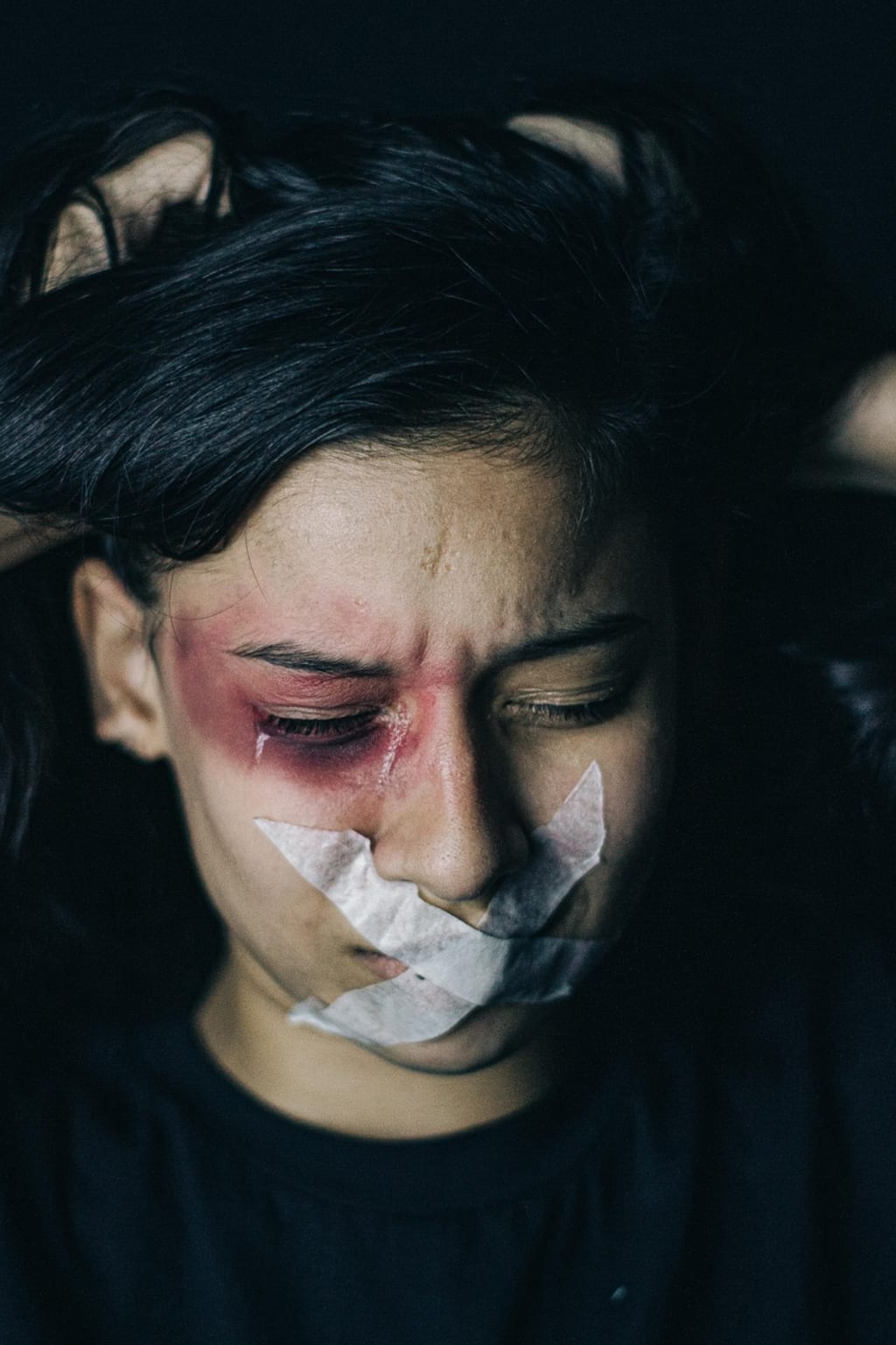
From the outside, it’s easy to say what you’d do if your friend’s partner hit her. Or screamed at her. Or tracked her phone. Or belittled her until she barely recognized herself.
You’d tell her to leave — right?
I used to think that, too. I believed that if I was a good friend, I’d speak up. That honesty was loyalty. That if I stayed silent, I was enabling the abuse.
But after years of watching friends suffer — and learning more about the complexities of domestic abuse — I’ve changed my mind.
If your boyfriend is abusive, I won’t tell you to dump him.
Not because I don’t want you to leave.
But because I know that kind of pressure can do more harm than good.
The Truth About “Just Leave”
The most common advice people give to survivors of abuse is also the least helpful: “You need to leave him.”
It sounds simple. It isn’t.
Abuse isn’t just bruises. It’s manipulation. It’s control. It’s trauma bonding, gaslighting, financial dependence, isolation, and deep emotional confusion. Many survivors don’t even realize what they’re experiencing is abuse — not at first.
Even when they do, leaving can feel impossible.
What if he hurts me more for trying?
What if no one believes me?
What if I have nowhere to go, no money, no support?
What if I still love him?
Abuse breaks a person down. And when friends issue ultimatums — “Leave him or I’m done” — it echoes the very control the survivor is trying to escape.
Abusers Thrive on Isolation
Here’s what most people don’t realize: abusers are strategic.
They often work overtime to isolate their partners from friends, family, and outside influences. They twist stories, plant doubt, frame loved ones as threats. They might say things like:
“Your friends don’t really care about you.”
“They just want to ruin what we have.”
“They don’t understand you like I do.”
And when friends confront the survivor harshly — or walk away in frustration — it proves the abuser right.
The survivor becomes more alone. More dependent. More vulnerable.
What Survivors Actually Need
Not everyone has the capacity to stay connected to someone in an abusive relationship. It can be painful, frustrating, and heartbreaking to watch someone you love get hurt again and again.
But if you can stay — please do. You might be their only lifeline.
Here’s what helps:
Listen without judgment. Let them talk. Let them cry. Let them contradict themselves.
Don’t push. Offer support, not pressure. Ask open-ended questions like, “How do you feel when you’re with him?”
Remind them of their strength. Abuse convinces people they’re weak. You don’t have to.
Stay consistent. Check in. Text. Invite them out. Leave the door open — always.
Share resources. Gently. Casually. Leave a number, not a lecture.
Leaving Is a Process — Not a Moment
It takes an average of seven attempts for a survivor to leave an abusive relationship for good. Not because they’re stupid. Not because they don’t want to. But because fear, hope, love, and survival are messy things.
When you say, “Why don’t you just leave?” — you’re asking someone to walk a tightrope with no safety net.
Instead, ask yourself this:
What would I need if I were scared, isolated, ashamed, and unsure of what’s real?
You wouldn’t need advice.
You’d need someone to stand beside you.
A Note to Survivors
If you’re reading this and something resonates — if you feel seen in ways you weren’t expecting — let me say this clearly:
You are not overreacting. You are not crazy. You are not alone.
Whether you’re ready to leave or still figuring things out, you deserve support. You deserve safety. You deserve to be loved without fear.
And if no one else can say it yet, I will:
This isn’t your fault.
You are strong.
You are allowed to want more.
Final Thoughts
I won’t tell you to dump your boyfriend. I won’t give you ultimatums. I won’t tell you what to do.
But I will be here — with a spare key, a safe place to land, and a phone that’s always on.
Because love shouldn’t hurt.
And no one should have to survive it alone.
Do you have your own survivor story that you’d like to share? Or can you offer your own tips? Comment below and let me know.
About the Creator
No One’s Daughter
Writer. Survivor. Chronic illness overachiever. I write soft things with sharp edges—trauma, tech, recovery, and resilience with a side of dark humour.
Keep reading
More stories from No One’s Daughter and writers in Confessions and other communities.
Confessions of a Phone Sex Queen: What Four Years on the Line Taught Me About Men, Money, and Making the Patriarchy Pay
Between 2015 and 2019, I was one of the most requested voices on a phone sex line — no ads, no promos, just word-of-mouth and raw talent. The company still emails me with shift offers and bonus incentives, hoping I’ll return. I haven’t. But I haven’t forgotten either.
By No One’s Daughter9 months ago in Confessions
Modern Dating Trends Shaping How Gen Z Builds Romantic Relationships
The use of technology is a key element to Gen Z in creating romantic relationships. Dating applications, social networks and online forums enable people to find their partners outside of the normal social contexts like in school or the workplace. These Internet technologies multiply dating options and offer a chance to find the people with similar interests and life styles.
By Robert Smithabout 4 hours ago in Confessions
My First Time Skiing and I Got Lost, Alone, in the French Alps
Looking back, I can trace some of my life’s biggest adventures to a simple action from my sister. She’d introduced me to Tommy (a very long time ago), a colleague of hers, who had overshared his penchant for Italian-looking women, and I ticked that box.
By Chantal Christie Weiss3 days ago in Humans



Comments
There are no comments for this story
Be the first to respond and start the conversation.