
Why Dating Apps Aren’t the Best Foundation for Love
The Hidden Pitfalls of Building Relationships Through Screens

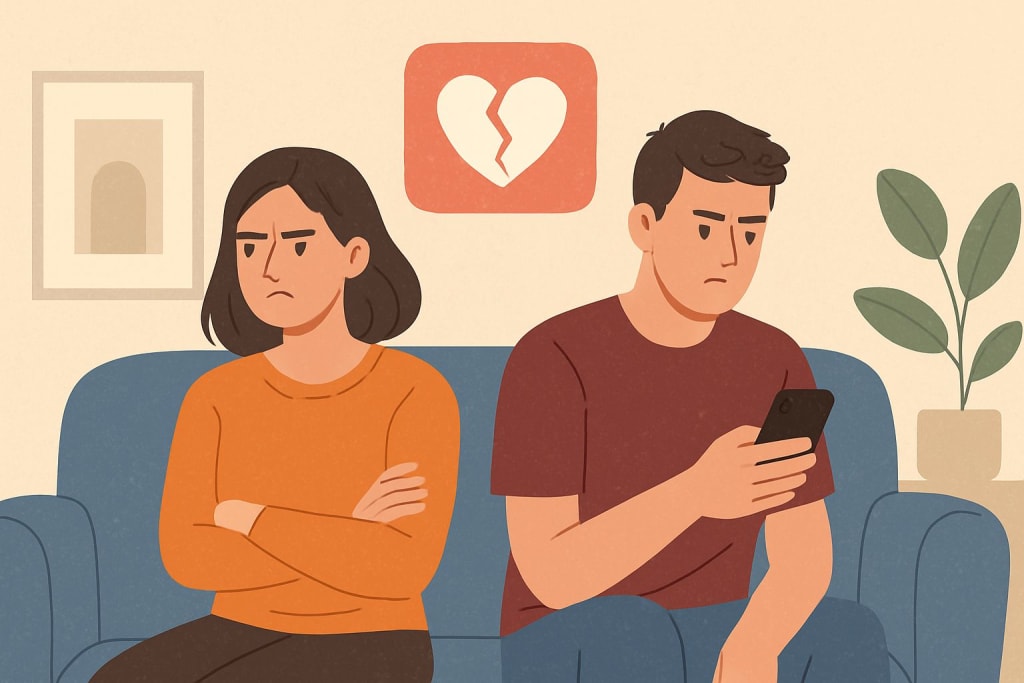
In today’s fast-paced digital world, dating apps have become the go-to method for meeting potential partners. With a simple swipe, you can connect with dozens—even hundreds—of people, all promising romance, chemistry, or at least a fun conversation. However, despite the fact that these platforms make introductions simpler, they frequently fail to cultivate the kind of deep, enduring relationships that thrive in real life.
Dating apps create an illusion of endless choice and effortless connection, but beneath the surface, they encourage habits that can sabotage genuine intimacy. From superficial judgments to commitment anxiety, the very design of these apps can make it harder to build something meaningful.
If you’re looking for more than just a fleeting spark, here’s why you should reconsider relying on dating apps as the foundation for love—and how to cultivate a stronger, more authentic connection instead.
1. Superficial Connections Replace Genuine Chemistry
Dating apps prioritize appearances over substance. Users make split-second decisions based on a handful of photos and a short bio, reducing potential partners to mere profiles in a sea of options. This "swipe culture" encourages snap judgments rather than meaningful interactions.
- First Impressions Are Skewed: People curate their best selves online, often exaggerating traits or hiding flaws. This creates an unrealistic standard that real-life interactions can’t always match.
- Lack of Organic Development: Relationships that start offline often grow naturally through shared experiences, mutual friends, or repeated interactions. Dating apps skip this organic progression, forcing instant chemistry that may not exist.
App-based relationships can feel hollow if they don't gradually develop attraction and trust, leaving one or both partners to wonder if they really know each other.
2. The Paradox of Choice Leads to Commitment Issues
Dating apps offer an illusion of infinite possibilities—why settle when someone better might be just a swipe away? Because of this paradox of choice, it is harder for people to commit because they constantly worry that they are missing out on a "better match."
- Grass-is-Greener Syndrome: Constant exposure to new profiles fosters dissatisfaction, making people more likely to abandon relationships at the first sign of trouble.
- Reduced Effort in Building Bonds: When relationships start digitally, some individuals put less effort into nurturing them, assuming they can always find a replacement.
This mindset undermines the patience and work required to sustain a long-term relationship, making dating app connections more fragile than those formed in real life.
3. Misrepresentation and Catfishing Are Common
Online dating comes with the risk of deception. Dating apps make it simple for people to misrepresent themselves, whether it's through out-of-date photos or outright lies about their careers, intentions, or even identities.
- Filtered Reality: When reality does not live up to expectations, many users present idealized versions of themselves.
- Emotional Scams and Manipulation: In order to remain anonymous, some people use dating apps to emotionally or financially exploit others.
Without the ability to verify someone’s authenticity early on, dating app users may invest time and emotions into relationships built on false pretenses.
4. Lack of Shared Social Circles and Accountability
Relationships that begin offline often have built-in social checks—mutual friends, shared environments, or community ties that encourage accountability. Dating app relationships, however, exist in a vacuum.
- No Common Ground: Meeting someone outside your social circle means you have fewer ways to verify their character or history.
- Easier to Ghost or Disengage: People feel less pressure to be honest when communicating or resolving conflicts when there are no overlapping social networks, which can result in abrupt endings.
This lack of accountability makes dating app relationships more disposable, reducing the incentive to work through challenges.
5. Dating Apps Encourage a Transactional Mindset
Swiping, matching, and chatting on dating apps turn romance into a numbers game. This transactional approach can make relationships feel more like a competition than a genuine connection.
- Focus on Quantity Over Quality: Users often prioritize getting more matches rather than investing in meaningful conversations.
- Short-Term Thinking: Many people use dating apps for casual flings rather than long-term commitment, leading to mismatched expectations.
When relationships are treated as transactions, emotional depth and vulnerability take a backseat to instant gratification.
6. Digital Communication Can’t Replace Real-Life Connection
Video calls and texting are ineffective alternatives to face-to-face communication. Intimacy is built through tone, body language, and physical presence, all of which dating apps can't quite match.
- Miscommunication is Common: Messages can be misinterpreted without nonverbal cues, resulting in unnecessary disagreements.
- Delayed Emotional Bonding: Online relationships frequently lack the spontaneous moments that help people form strong emotional connections.
Relying solely on digital communication can delay or even prevent the development of true emotional intimacy.
What Should You Do Instead?
While dating apps can be a useful tool for meeting people, they shouldn’t be the sole foundation of a relationship. Here’s how to build more meaningful connections:
- Meet People Organically – Engage in hobbies, attend social events, or join clubs where you can meet like-minded individuals naturally.
- Take Time to Build Trust – Instead of rushing into a relationship, allow it to develop gradually through shared experiences.
- Verify Authenticity Early – If you meet someone online, move quickly to in-person meetings to see if you're compatible in real life.
- Prioritize Emotional Connection – Focus on deep conversations and shared values rather than superficial attraction.
- Be Wary of the Swipe Mentality – Avoid treating potential partners as disposable options—commit to giving relationships a real chance.
Despite their convenience, dating apps frequently fail to establish meaningful relationships that last. The swipe culture promotes superficiality, indecision, and emotional detachment—qualities that undermine true connection.
Step away from the screen and invest in interactions in the real world if you want a relationship that is based on trust, depth, and authenticity. Love isn’t found in an algorithm; it’s nurtured through time, effort, and genuine human connection.
Put down the phone—your next great relationship might be waiting offline.
About the Creator
Morsalin Russell
I’m a passionate writer with a knack for dissecting the issues that matter. Whether it’s culture, politics, or everyday life, I don’t just observe—I take a stand. My articles are more than just words; they also provoke thought.
Keep reading
More stories from Morsalin Russell and writers in Confessions and other communities.
Did We Break the Planet?
One of the most pressing issues of our time is climate change, with headlines dominated by rising global temperatures, extreme weather, and melting ice caps. However, a crucial question remains: Do humans in fact contribute to climate change? While natural climate variability has existed for millions of years, the overwhelming scientific consensus points to human activities as the primary driver of recent rapid changes.
By Morsalin Russell11 months ago in Earth
Inside the Palace: The Moment I Realized the Royal Story Was More Complicated Than We Were Told
I still remember the moment when a single sentence from the palace changed the tone of a global conversation. At the time, it seemed simple. Calm. Diplomatic. But looking back now, that moment carried more weight than most people realized.
By CelebCast Centralabout 4 hours ago in Confessions
The Politics of Playing Dress-Up
Well, to start off I'd like to say a happy world book day to all who celebrate. I know I haven't really posted anything on my socials about it but I'm not a jubilant kind of person. I lay low most of the time. Let's start off with a popular anecdote from the vaults...
By Annie Kapur7 days ago in Geeks



Comments
There are no comments for this story
Be the first to respond and start the conversation.