
When Good Deeds Go Wrong: The Dark Side of Helping Loved Ones Move Abroad
The Hidden Costs of Relocation and the Relationships We Risk

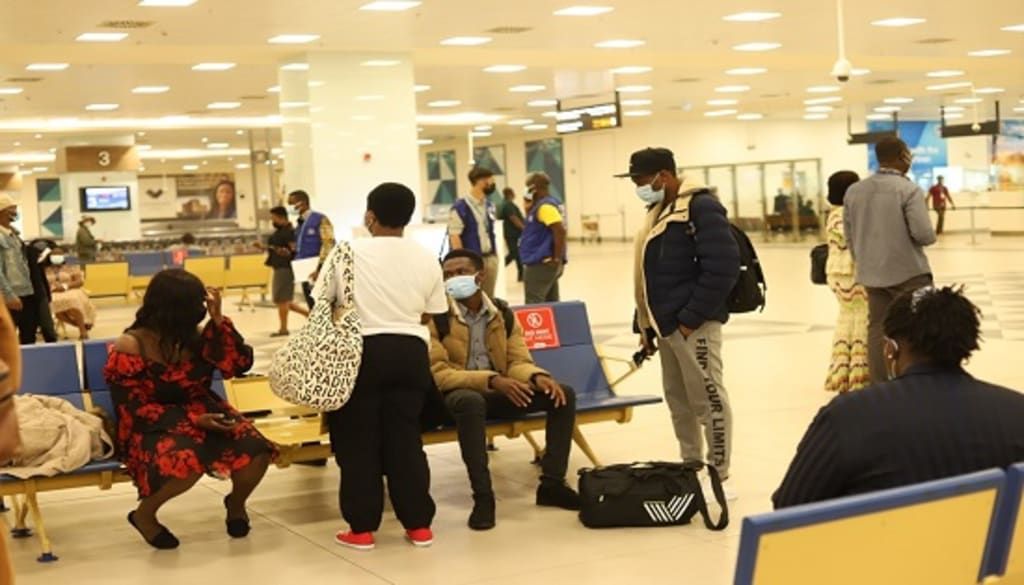
Yesterday, I sat in a barbershop, an everyday environment where conversations often turn deep. As I settled into the chair, I couldn’t help but overhear a heated discussion among a group of men. They were expressing their frustrations about helping family members—wives, siblings, even children—join them abroad. What struck me most was the tone of disappointment and regret that permeated their exchange. This isn’t just a unique situation; it seems to be a growing trend among many Africans who go through the trouble of relocating their loved ones, only to be met with unexpected heartbreak.
One man shared a particularly painful story about his younger brother. He had invested over £15,000 to bring him to the UK, covering everything from school fees to living expenses. His hopes were high; he envisioned a better future for his brother. But now, that bond is strained to the breaking point. “He doesn’t even talk to me anymore,” he lamented, shaking his head in despair. “I regret not leaving him in Ghana.” His story resonated with a harsh reality: when people move abroad, they sometimes change in ways that sever important relationships.
Another guy joined in, sharing his own tale of woe. He had paid for his fiancée’s nursing education back in Ghana and married her, eventually bringing her to the UK. Within months, she began to distance herself, and their marriage crumbled in less than two years. “I should’ve known better,” he sighed, bitterness swelling in his voice. It’s a narrative that seems all too familiar in today’s interconnected world.
A quick scroll through social media reveals a multitude of similar accounts. It seems every time someone helps a loved one relocate, disappointment is lurking just around the corner. What begins as an act of generosity often leads to fractured relationships, leaving individuals questioning their decisions and wondering why they ever invested in the first place.
Many theories float around as to why this happens. Some argue that it’s a matter of greed; once the relatives from home experience life abroad, they begin to see their benefactors as competition rather than allies. Others maintain that those left behind are inherently ungrateful, and it’s only in a new environment that their true personalities emerge. Regardless of the rationale, the end result is the same: feelings of betrayal, heartache, and shattered trust.
So, what’s happening here? Why are these patterns of ingratitude and bitterness so widespread among Africans living abroad? Is it the immense pressure to adapt to a new culture? Is it the shift that comes with living in an entirely different society? Or is it something deeper—an inherent misunderstanding of relationships and obligations within our communities?
I don’t claim to have all the answers, but I do know one thing: relocating someone is a huge investment—not just financially, but emotionally as well. When that investment doesn’t yield the expected results, it leaves a sour taste that’s difficult to swallow. The friendships and family bonds that once felt secure can suddenly feel fragile, thrust into turmoil by distance and change.
Perhaps it’s time we engage in more honest conversations about expectations and the realities of life abroad. By setting clear boundaries and discussing the nuances of these new relationships before bringing someone over, we might reduce some of the heartache that seems to stem from such scenarios. Many are learning the hard way that good intentions don’t always translate into good outcomes.
To be fair, not every relocation story ends in disappointment. There are those who successfully navigate the challenges of helping loved ones, creating strong, supportive networks abroad. However, these stories often remain overshadowed by those filled with regret. It’s essential that we recognize both the challenges and the successes; only then can we learn how to foster healthier relationships across borders.
As we move forward, let’s commit to being more transparent about our expectations, hopes, and fears regarding assisting loved ones in relocating. It’s not just about the money spent; it’s about nurturing the connections that matter most in our lives. So, next time you consider helping someone relocate, ask yourself: Are you ready for the emotional investment? Because sometimes, the cost of a good deed can be unreasonably high.
About the Creator
NII LANTEY PARKER
I am dedicated wordsmith with an insatiable appetite for knowledge. Crafting captivating articles across diverse topics. Join me in exploring the world through the art of words.🌍📖
Keep reading
More stories from NII LANTEY PARKER and writers in Confessions and other communities.
Why Age Matters More than Looks in the Dating World
Let’s face it: age and looks are not synonymous. When a man states he only dates women under 30, responding with, “But I’m 45 and look 25!” is missing the point entirely. The harsh reality is, age is a number you can't disguise, and wishing it away won’t change what is. The preference for younger women in dating isn’t just about superficial appearances; it’s deeply rooted in biology, energy, and what each stage of life brings to the table.
By NII LANTEY PARKERabout a year ago in Chapters
My First Time Skiing and I Got Lost, Alone, in the French Alps
Looking back, I can trace some of my life’s biggest adventures to a simple action from my sister. She’d introduced me to Tommy (a very long time ago), a colleague of hers, who had overshared his penchant for Italian-looking women, and I ticked that box.
By Chantal Christie Weissabout 9 hours ago in Humans




Comments
There are no comments for this story
Be the first to respond and start the conversation.