
🔥 Upcoming World War 3: Could It Happen?
Analyzing the modern fault lines of global conflict — from cyber warfare to nuclear brinkmanship — and the urgent call to prevent another world war.

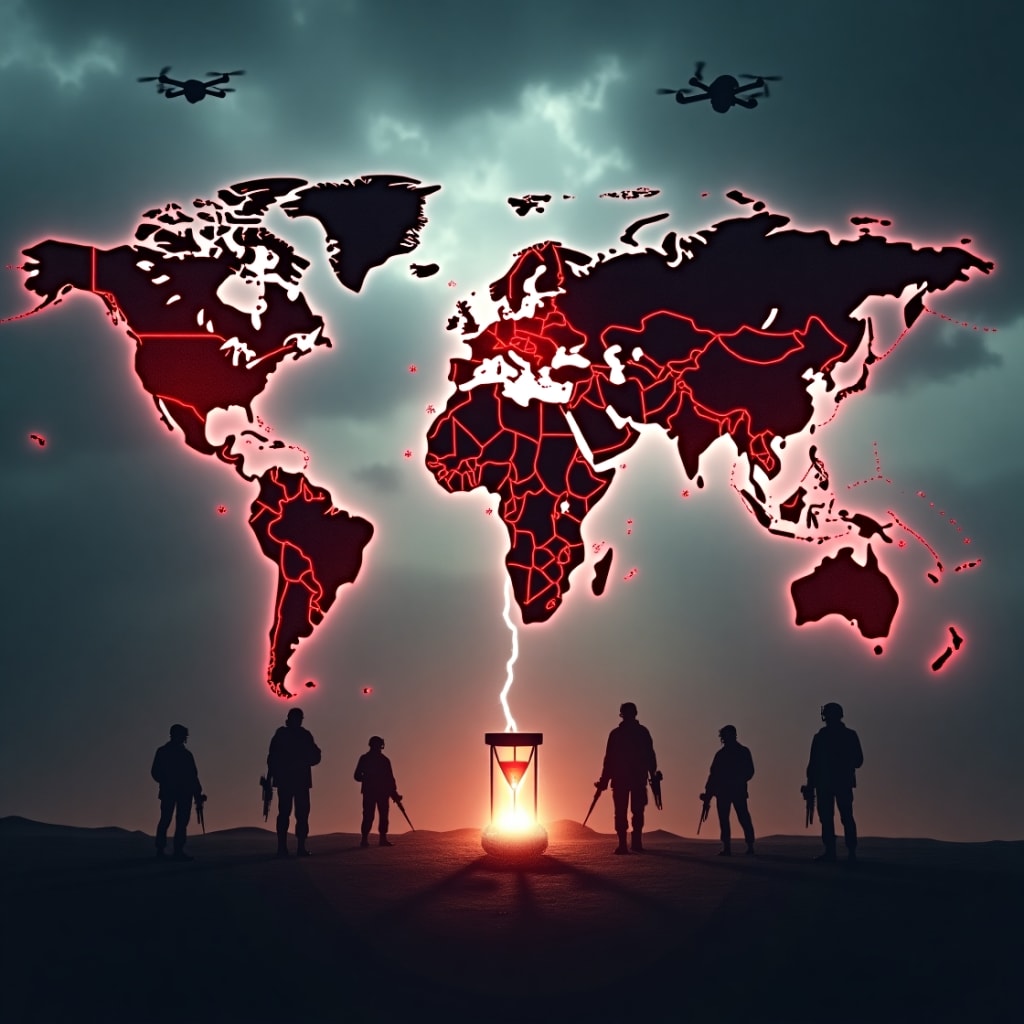
🔥 Upcoming World War 3: Could It Happen?
The shadow of a third world war has haunted global conversations for decades. Since the devastation of World War II, the world has enjoyed an uneasy peace, punctuated by regional conflicts and cold war rivalries. But as the 21st century unfolds, new threats emerge — from geopolitical tensions and nuclear armaments to cyber warfare and economic battles — sparking fears that a global conflict, even more destructive than before, could be looming on the horizon.
The New Battlefields
Unlike the great wars of the 20th century, the modern battlefield has expanded far beyond trenches and tanks. Today’s conflicts include:
Cyberwarfare: Attacks on power grids, financial systems, and communication networks can cripple nations without a single bullet fired. The 2017 Winery ransomware attack and ongoing hacks linked to state actors demonstrate how vulnerable even powerful countries are.
Space Militarization: Satellites control everything from navigation to intelligence. Competition to control space assets has led to new arms races in orbit, with countries developing anti-satellite weapons.
Economic Warfare: Sanctions, tariffs, and trade restrictions have become tools to pressure rivals without open conflict, but they also increase tensions and instability.
Hotspots of Global Tension
Several regions today resemble powder kegs ready to ignite:
Ukraine and Russia: The 2022 invasion heightened fears of direct confrontation between Russia and NATO, raising the specter of escalation.
Taiwan Strait: China’s claims over Taiwan and increasing military activity risk drawing in the U.S. and allies.
South China Sea: Strategic sea lanes and territorial disputes involve several countries and major naval powers.
Middle East: Proxy wars in Syria, Yemen, and elsewhere keep the region unstable, with global powers supporting opposing sides.
Nuclear Threats Remain
The nuclear shadow looms large. Despite arms control treaties like New START, many nations are modernizing their arsenals, and new countries are developing nuclear weapons. The doctrine of deterrence — relying on the threat of mutual destruction — keeps superpowers cautious but also means any miscalculation could lead to disaster.
Proxy Wars: The New Norm
Direct war between superpowers has become less likely, but proxy wars are rampant. Nations back opposing sides in conflicts across the globe, extending their influence without direct confrontation. This creates a dangerous environment where localized wars risk escalation.
The Role of Diplomacy and Global Institutions
Despite these dangers, diplomatic efforts continue. International organizations like the United Nations, and treaties on arms control and trade, aim to prevent escalation. Dialogue, economic interdependence, and public pressure play crucial roles in maintaining peace.
Can World War 3 Be Prevented?
The future is uncertain. While tensions run high, the catastrophic consequences of another world war — in an age of nuclear and cyber weapons — serve as a powerful deterrent. However, without careful diplomacy, misunderstandings and aggressive posturing could spiral out of control.
The world’s leaders face a critical choice: invest in peace or prepare for devastation.
A Fragile Peace
History teaches that war often arises not from desire but from fear, mistrust, and mistakes. In today’s interconnected world, the cost of conflict is unimaginably high. The rise of new technologies and unconventional warfare only complicates efforts to maintain peace.
Still, there is hope. People around the globe demand dialogue, cooperation, and conflict resolution. The challenge remains: can humanity learn from history before it repeats the darkest chapters?
Conclusion
World War 3 is not inevitable. But the risks are real and growing. Cyberattacks, regional conflicts, nuclear threats, and economic rivalries create a complex web of dangers. Preventing a global catastrophe requires vigilance, cooperation, and a shared commitment to peace.
As global citizens, the question is not only if World War 3 could happen — but what each of us can do to ensure it never does.
About the Creator
Wings of Time
I'm Wings of Time—a storyteller from Swat, Pakistan. I write immersive, researched tales of war, aviation, and history that bring the past roaring back to life
Keep reading
More stories from Wings of Time and writers in Confessions and other communities.
Today’s People of the World
Today’s People of the World Today’s people of the world wake up to buzzing phones instead of birdsong. Before their feet hit the floor, they’ve already checked the weather, doom scrolled through headlines, liked a stranger’s vacation photo, and sighed at someone else's good fortune.
By Wings of Time 8 months ago in Confessions
The Piggy Project
I’ve had so many names in this life I lose track of which ones were ever really mine and which ones I wore because someone needed me to. Some were handed to me before I had words to refuse them, before I knew what they meant, before I knew I could say no. Most weren’t meant to hurt. That doesn’t mean they didn’t leave marks. Marks that told me who I belong to, who I am by way of who claims me, recognizes me in the good and bad, who walks beside me.
By Fatal Serendipity3 days ago in Confessions
Psychology-Based Solutions To Avoid Repeating Past Relationship Mistakes
The first step towards stopping the repetitive relationship mistakes is to reflect honestly with oneself. In many cases, people subconsciously repeat certain actions, which are formed under the influence of the past experience, upbringing or, unprocessed traumas. Psychologist Carl Jung stressed the importance of being conscious to the patterns of the unconsciousness as a way of growing personally. Determining triggers, habitual reactions, and conflict themes, people can have a clear understanding of what makes relationships fail. These patterns can be clarified by journaling or therapy, or by guided introspection, so that the partners realize why they respond in a particular manner, and so they will not inadvertently recreate destructive patterns. The initial step to planned change is consciousness.
By Tiana Alexandra5 days ago in Confessions
"Scream 7" (2026): Running out of Fresh Screams
This is the seventh time we’ve had a Ghostface crisis. Scream 7 is the latest edition of the Scream franchise. Sydney Prescott and her family are under attack by another anonymous killer dressed in a Ghostface costume. While having issues with her daughter, Tatum, they run from the bloody murders, trying to determine who is behind it all.
By Marielle Sabbag6 days ago in Horror




Comments
There are no comments for this story
Be the first to respond and start the conversation.