
United State Studies Plan
--Exploring the Past, Present, and Future of the American Nation.


US DRESS CODE FOR BOYS AND GIRLS :
College dress wear in the United States can vary depending on the school and the occasion. However, in general, dress wear for both boys and girls is typically considered to be business casual or semi-formal attire.
For boys, this typically includes:
- A collared shirt, such as a button-up or dress shirt, in a solid color or with a subtle pattern
- Dress pants, such as slacks or khakis, worn with a belt
- Dress shoes, such as oxfords or loafers, in a dark color
- A blazer or sport coat may also be worn, if the dress code requires it
For girls, this typically includes:
- A blouse or sweater in a neutral color, such as white, beige or light blue, that can be tucked into dress pants or a skirt
- Dress pants, such as slacks, or a skirt in a neutral color
- Dress shoes, such as pumps or loafers, in a neutral color
- A blazer or cardigan may also be worn, if the dress code requires it
It's important to note that some colleges and universities may have specific dress codes or guidelines for students, so it is best to check with the school for any requirements.
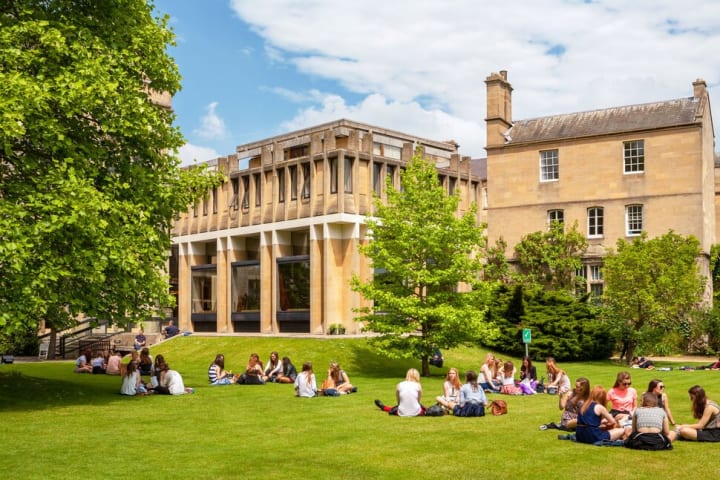
how much cost need to study in US University and colleges ?
The cost of studying in a college or university in the United States can vary greatly depending on a number of factors, such as the type of institution (public or private), the location of the school, and the program of study.
On average, the cost of tuition and fees for a full-time undergraduate student at a public college or university in the United States during the 2020-2021 academic year was around $26,000 for in-state students and $40,000 for out-of-state students. The cost of tuition and fees at private colleges and universities averaged around $53,000.
This cost is not including room and board, which can range between $10,000 - $15,000 per year for a college dormitory and a meal plan.
It's also important to note that these figures are just averages and the cost can vary greatly from school to school. Some colleges and universities may have significantly higher or lower tuition and fees. Additionally, financial aid, scholarships, and grants may be available to help cover the cost of attendance for some students.
It's highly recommended for international student to research about the cost of attendance in US colleges and also to check the availability of scholarships or financial aid for international students.

Best US university for Engineering and Medical?
There are many excellent universities in the United States for engineering and medical studies, and the best one for you will depend on your individual needs and preferences. However, some of the top-ranked universities in the United States for these fields include:
For Engineering:
- Massachusetts Institute of Technology (MIT)
- Stanford University
- University of California-Berkeley
- California Institute of Technology (Caltech)
- Georgia Institute of Technology
For Medical:
- Harvard University
- Johns Hopkins University
- Stanford University
- University of California-San Francisco (UCSF)
- University of Pennsylvania
It's important to note that these are just a few examples and there are many other highly ranked universities in the United States for engineering and medical studies. It's always recommended to research and compare different universities to determine which one is the best fit for you and also to check their acceptance rate and their tuition fee before applying

US university and colleges about rules amd regulation [2020-2022].
Rules and regulations at colleges and universities in the United States can vary from school to school, but there are some common ones that most institutions have in place. These include:
- Academic policies: These policies cover things like attendance, coursework, and grading. For example, most colleges and universities have a strict attendance policy that requires students to attend a certain number of classes in order to pass a course. They also have policies on plagiarism, cheating, and academic dishonesty.
- Student conduct policies: These policies cover behavior that is not allowed on campus, such as hazing, drug and alcohol use, and violence. These policies also include information about how violations will be handled and what the consequences will be.
- Residence hall policies: If you live on campus, you will need to follow specific policies that govern things like quiet hours, visitors, and room inspections.
- Technology policies: Many colleges and universities have policies in place that govern the use of technology on campus, such as the use of laptops, internet access, and email.
- Health and safety policies: These policies include information on emergency procedures, fire safety, and other health and safety issues that may arise on campus.
It's important to note that these are just a few examples and each school have their own policies and regulations. Each school will have their own student handbook or code of conduct that outlines all of the rules and regulations that students are expected to follow. It's always recommended to check those before enrolling to any school.
Is they allow any part time job while studying??
Many colleges and universities in the United States allow students to work part-time while they are enrolled in classes. This can be a great way for students to earn money to help pay for their education and living expenses.
Many colleges and universities offer part-time jobs on campus, such as working as a research assistant, tutoring, or working in a campus office. These jobs are often tailored to the student's schedule and can be a great way to gain relevant work experience while still in school.
Additionally, students can work off-campus, such as in retail or restaurant jobs, or even in internships related to their field of study. These jobs may have more flexibility in terms of hours, but it's important to check with the school about the work hours limit and how it will affect the student's visa status.
It's important to note that international students may have restrictions on the number of hours they can work per week, so it is recommended to check with the school's international student office for more information on this.
Working while in college can be challenging, as it requires balancing schoolwork and a job. It's important for students to manage their time effectively and prioritize their studies.
It's also recommended to check the school's financial aid office to know if working will affect the student's financial aid package.
About the Creator
yogesh
Welcome to my channel!
I am a vocal media professional with a passion for storytelling and a talent for bringing words to life. I specialize in voiceovers , I'm dedicated to providing high-quality content that will entertain my listeners.
Keep reading
More stories from yogesh and writers in Confessions and other communities.
I was in a Toxic Relationship, with my Workplace
“You got that?” My ex yelled. His hands were balled into fists at his side. At six foot three, he towered over me. A normal person would have been afraid, but I looked up a video of George Lopez repeatedly saying, “I got this,” and showed it to him. I had grown used to this treatment, so much so that I didn’t blink when he ripped the phone from my hand and threw it across the room.
By Jade M.4 days ago in Confessions
Real-World Solutions For Trust Issues In Modern Dating
The problem of trust is a common issue in modern dating, which may be based on some past experiences of betrayal, rejection, or insecurity. People might have some emotional baggage in their past relationships and thus they might be suspicious or fear to be vulnerable in new relationships. It is important to identify the underlying cause of mistrust in order to deal with it. Realizing the reasons behind lack of trust, be it the fear of the individual, previous experiences or the actions of the partner would help the individual to view the relationship with more insight. Consciousness of these sources gives the basis of conscious choice and creates the prospects of healthy and safe relations.
By Willian James2 days ago in Confessions




Comments
There are no comments for this story
Be the first to respond and start the conversation.