
U.S. 10-Year Treasury Yield Drops Toward 4% as Trump’s Tariffs Fuel Recession Fears
10 year treasury yield

Introduction
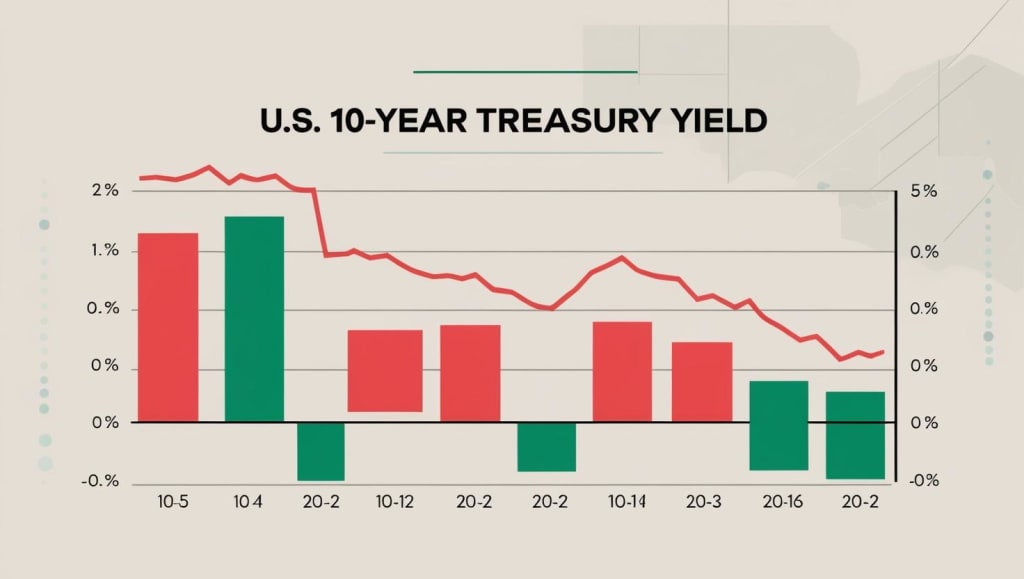
The U.S. 10-year Treasury yield has fallen toward 4% as investors seek safety amid growing concerns over former President Donald Trump’s proposed tariffs and the risk of a renewed trade war. The decline reflects heightened recession fears, a flight to government bonds, and market uncertainty over the economic impact of aggressive trade policies.
Recent reports from Bloomberg, CNBC, and The Wall Street Journal highlight how Trump’s latest tariff proposals—including a 60% levy on Chinese imports and additional taxes on goods from Europe and Mexico—have rattled markets. Investors are bracing for potential inflation spikes, supply chain disruptions, and slower economic growth, leading to a surge in demand for U.S. Treasuries.
This article explores:
Why Treasury yields are falling
The impact of Trump’s tariffs on trade and markets
Historical comparisons to past trade wars
What this means for investors and the broader economy
Why Are Treasury Yields Falling?
1. Safe-Haven Demand Rises Amid Trade War Fears
When investors anticipate economic turbulence, they often shift funds into safer assets like U.S. government bonds. The 10-year Treasury yield, a benchmark for mortgage rates and corporate borrowing costs, moves inversely to bond prices. As demand for Treasuries increases, yields drop.
The yield fell below 4% for the first time since early 2025.
Investors fear Trump’s tariffs could slow global trade and hurt corporate profits.
2. Recession Risks Grow
The bond market is signaling concerns about an economic slowdown. An inverted yield curve (where short-term yields exceed long-term yields) has historically preceded recessions. While the curve is not fully inverted now, the rapid decline in the 10-year yield suggests weakening growth expectations.
3. Fed Rate Cut Expectations
With trade tensions escalating, markets are pricing in potential Federal Reserve rate cuts to stimulate the economy. Lower interest rates reduce Treasury yields, reinforcing the downward trend.
Trump’s Tariffs: A Return to Trade War Politics
1. Proposed Tariffs on China, Europe, and Mexico
Trump, who is running for re-election, has proposed:
60% tariffs on Chinese goods (up from previous rates under his administration)
10% universal baseline tariff on all imports
Additional levies on European autos and Mexican products
These measures aim to protect U.S. industries but risk retaliation from trading partners.
2. Market Reaction: Stocks Drop, Bonds Rally
Equities: The S&P 500 and Nasdaq fell as tech and manufacturing stocks faced supply chain concerns.
Commodities: Industrial metals like copper declined on weaker demand forecasts.
Currency Markets: The dollar strengthened as investors sought stability.
3. Inflation vs. Deflation Debate
Tariffs could:
Increase inflation by raising import costs (as seen in 2018-2019).
Trigger deflation if trade wars reduce economic activity.
The Fed faces a tough balancing act between fighting inflation and supporting growth.
Historical Parallels: Lessons from the 2018-2019 Trade War
1. The Last Trump Tariff Cycle
In 2018, Trump imposed tariffs on $250B+ of Chinese goods.
China retaliated, hitting U.S. agriculture and manufacturing.
The S&P 500 saw volatility, but markets recovered after the Phase One deal in 2020.
2. Key Differences in 2025
Higher Proposed Tariffs: A 60% China tariff is far more aggressive than previous rates.
Global Fragility: The world economy is still recovering from pandemic disruptions.
Political Uncertainty: A potential second Trump term adds unpredictability.
3. Long-Term Economic Impact
Pros: Could boost U.S. manufacturing jobs in the short term.
Cons: May raise consumer prices, slow GDP growth, and disrupt supply chains.
What This Means for Investors
1. Bond Market Strategy
Buying Treasuries: A hedge against volatility.
Corporate Bonds: Riskier if trade wars hurt earnings.
2. Stock Market Implications
Defensive Stocks (Utilities, Healthcare): Likely to outperform.
Tech & Industrials: Vulnerable to supply chain shocks.
3. Currency and Commodity Plays
Stronger Dollar: Benefits U.S. exporters but hurts emerging markets.
Gold & Silver: Could rise as alternative safe havens.
Conclusion: Navigating Uncertainty
The drop in the 10-year Treasury yield reflects deep market anxiety over Trump’s tariff policies and their economic repercussions. While trade protectionism may appeal to some voters, investors are preparing for potential stagflation (slow growth + high inflation) or even a recession.
Key Takeaways:
Trade wars create volatility—prepare for market swings.
Bonds are a safety net, but long-term returns may suffer if yields stay low.
Diversification is critical—balance between defensive and growth assets.
As the 2024 election approaches, markets will remain sensitive to policy shifts. Investors should stay informed, reassess portfolios, and brace for a turbulent economic landscape.
About the Creator
Tausif Ali
As an SEO Specialist with the 4 years of experience in optimizing website and content. driving organic traffic and improve search engine ranking strategic. data driven and SEO techniques.
Keep reading
More stories from Tausif Ali and writers in Confessions and other communities.
How Artificial Intelligence is Changing Our Lives
Introduction Artificial Intelligence (AI) is no longer science fiction—it’s reshaping our world at lightning speed. By 2025, experts predict AI will be 10x more advanced than today, revolutionizing industries, jobs, and even human relationships.
By Tausif Ali10 months ago in Geeks
Silenced No More
Throughout history, the ability to speak freely has never been guaranteed. For centuries, voices have been suppressed by kings, governments, religions, and social systems determined to control what people think, believe, and say. Yet, despite censorship, punishment, and even death, individuals have continued to raise their voices. Their courage shaped societies, challenged injustice, and transformed the world. The story of free speech is not just about laws and rights—it is about human bravery, resistance, and the unbreakable desire to be heard.
By Aiman Shahid4 days ago in Confessions


Comments
There are no comments for this story
Be the first to respond and start the conversation.