
Tragedy at the Heart of Technology: The Lahore Hafeez Center Fire
“A devastating blaze at Lahore’s iconic electronics market exposes critical flaws in fire safety and infrastructure.”

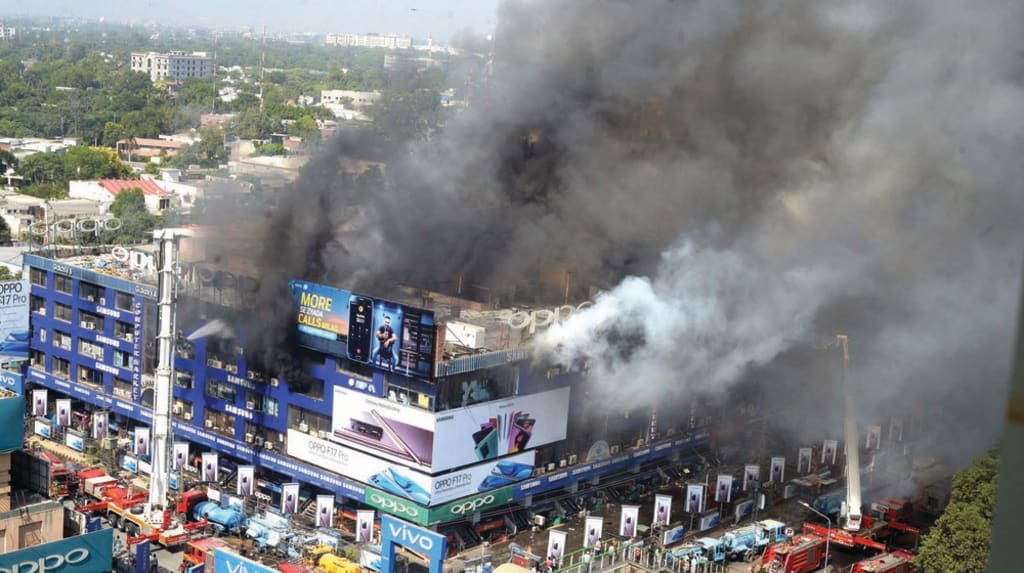
On a seemingly normal morning in Lahore, tragedy struck one of Pakistan's most iconic electronics markets. Hafeez Center — a bustling hub for mobile phones, laptops, computer accessories, and digital repairs — was engulfed in flames, leaving behind a charred reminder of inadequate infrastructure, poor emergency preparedness, and the fragility of small business operations in the country.
The fire broke out on Sunday, October 18, 2020, at around 6:00 AM. According to witnesses and rescue officials, the blaze began on the second floor of the plaza and quickly spread through the building, feeding off flammable materials, electronics, and cardboard packaging. With over 800 shops and offices located within the center, the fire rapidly consumed goods worth millions of rupees.
The Center of Lahore’s Digital Pulse
Hafeez Center has long been a landmark in Lahore, located in the posh Gulberg area. It is not just a shopping destination but a vital commercial site where IT businesses, freelance service providers, repair shops, and electronic dealers coexist. With its maze-like corridors, narrow staircases, and constant foot traffic, the center represents both the digital aspirations of Pakistan and the infrastructural vulnerabilities that come with unregulated urban growth.
Many shopkeepers had stored their inventories over the weekend, assuming Sunday to be a low-risk day. Unfortunately, this assumption turned into a financial nightmare as the fire destroyed stockpiles of imported gadgets and electronic items. The loss is estimated to be more than PKR 1.5 billion (approx. USD 9 million).
A Delayed Rescue and Limited Access
One of the most pressing concerns during the fire was the delay in rescue operations. Eyewitnesses reported that fire trucks struggled to reach upper floors due to the plaza's cramped design and the lack of external fire escapes. Rescue 1122, the Punjab government’s emergency response team, arrived promptly but faced severe challenges in controlling the inferno.
The fire burned for several hours before being fully extinguished. Thankfully, no fatalities were reported, but several individuals suffered from smoke inhalation and minor injuries. The damage, however, was catastrophic to livelihoods.
Faulty Infrastructure and No Fire Safety Measures
Post-incident reports revealed that Hafeez Center lacked adequate fire safety systems. There were no functional fire alarms, sprinklers, or accessible extinguishers. Electrical short circuits — a common cause of fires in commercial Pakistani buildings — are suspected to have triggered the blaze. The structure, built decades ago, had not seen regular maintenance or safety inspections, making it a disaster waiting to happen.
In the aftermath, the Lahore Development Authority (LDA) and other city officials began investigations and ordered a comprehensive audit of all major commercial buildings in the city. The tragedy at Hafeez Center forced authorities to confront the glaring absence of fire safety protocols in densely packed marketplaces.
Business Owners Demand Government Support
The community response was swift. Business owners, some of whom lost their life’s savings, gathered outside the ruins of the plaza, demanding government compensation and immediate reconstruction. Many expressed frustration over the lack of oversight and infrastructure support, even though Hafeez Center contributes significantly to Lahore’s tech economy.
Punjab Chief Minister at the time, Sardar Usman Buzdar, visited the site and ordered an inquiry into the incident. He assured affected traders that relief efforts would be made and a full report would be submitted. However, skepticism remained among shopkeepers who had experienced little support during previous market disasters.
A Call for Urban Safety Reform
The Hafeez Center fire is not an isolated incident in Pakistan’s urban history. Similar fires have erupted in other major markets due to short circuits, overburdened electrical systems, and unsafe storage practices. The tragedy highlights an urgent need for urban planning reforms, routine safety inspections, and strict building code enforcement.
It is also a wake-up call for business owners to invest in basic safety infrastructure. Even small steps like installing smoke detectors, keeping fire extinguishers functional, and maintaining clear emergency exits can save lives and assets.
Conclusion
The Lahore Hafeez Center fire may have extinguished millions worth of inventory, but it has ignited a long-overdue national debate on building safety and disaster preparedness. For a country aspiring to embrace the digital future, safeguarding its technology hubs is essential. Let this incident serve as a pivotal moment for reform — not just in Hafeez Center, but across every marketplace and commercial building in Pakistan.
About the Creator
Asad Ali
I'm Asad Ali, a passionate blogger with 3 years of experience creating engaging and informative content across various niches. I specialize in crafting SEO-friendly articles that drive traffic and deliver value to readers.
Keep reading
More stories from Asad Ali and writers in Confessions and other communities.
Lahore Teacher Suffers Heart Attack: A Wake-Up Call for Educational Institutions
In a tragic turn of events, a respected schoolteacher in Lahore suffered a heart attack during school hours last week. The incident, which occurred in front of both colleagues and students, has sparked a nationwide conversation about the unacknowledged stress and pressure placed on educators in Pakistan. As the country grapples with reforms and expectations in the education sector, this unfortunate incident serves as a grim reminder of the human cost of institutional neglect and psychological burnout.
By Asad Ali9 months ago in Confessions
Rewriting the Story: The Quiet Struggle to Rebuild a Public Image
One thing I’ve always found fascinating is how people attempt to rebuild their reputations after difficult public moments. In ordinary life, changing direction after a setback can be challenging enough. But when your life unfolds under the constant attention of global media, that process becomes even more complicated.
By CelebCast Centralabout 12 hours ago in Confessions




Comments
There are no comments for this story
Be the first to respond and start the conversation.