

Top 10 Relaxation Techniques for Stress Relief
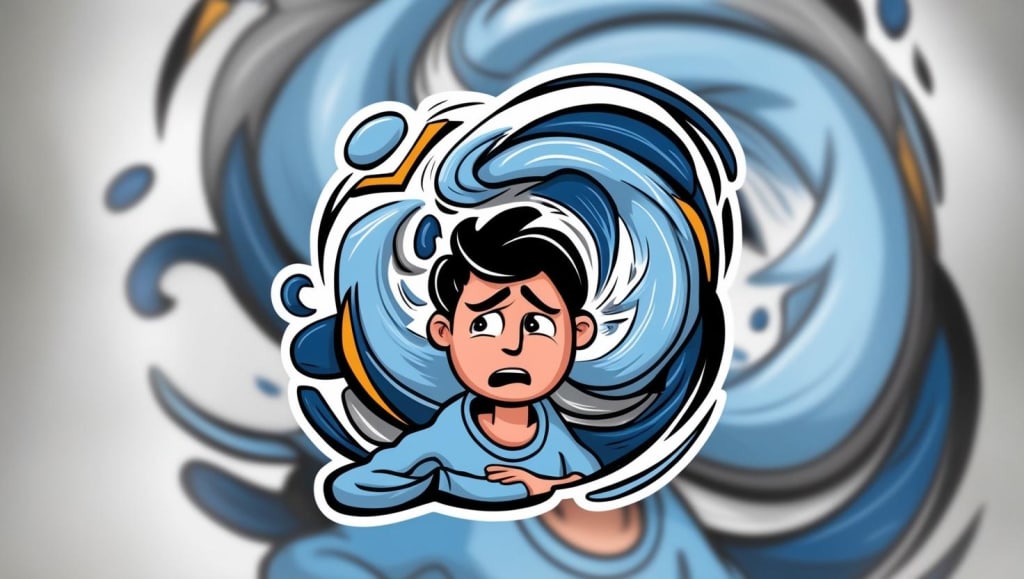
Stress is an inevitable part of life. Whether it stems from work deadlines, financial worries, relationship challenges, or everyday responsibilities, prolonged stress can negatively impact both mental and physical health. Chronic stress has been linked to anxiety, high blood pressure, digestive issues, and weakened immunity. Fortunately, there are numerous relaxation techniques that can help manage and reduce stress levels effectively.
In this guide, we’ll explore the **top 10 relaxation techniques** that can help calm your mind, soothe your body, and bring balance to your life.
1. Deep Breathing Exercises
One of the simplest and most effective ways to relax is through **deep breathing**. When we are stressed, our breathing tends to become shallow and rapid, which can trigger the body’s fight-or-flight response. By practicing deep breathing exercises, you can send signals to your brain that it’s time to relax.
How to Practice Deep Breathing:
1. Find a comfortable position, either sitting or lying down.
2. Inhale deeply through your nose for **four seconds**, expanding your abdomen.
3. Hold your breath for **seven seconds**.
4. Slowly exhale through your mouth for **eight seconds**.
5. Repeat this process **at least four times**.
This breathing technique, also known as the **4-7-8 breathing method**, helps slow down the heart rate, lower blood pressure, and reduce anxiety almost instantly.
2. Meditation and Mindfulness
Meditation is a practice that encourages mental clarity and relaxation by helping you focus on the present moment. **Mindfulness meditation**, in particular, allows you to observe your thoughts without judgment, which helps prevent stress from taking over your mind.
How to Practice Mindfulness Meditation:
1. Sit in a comfortable, quiet place.
2. Close your eyes and take slow, deep breaths.
3. Focus on your breath as it moves in and out.
4. If thoughts arise, acknowledge them without engaging and gently bring your focus back to your breath.
3. Progressive Muscle Relaxation (PMR)
Stress often causes muscle tension, which can lead to discomfort and even chronic pain. **Progressive Muscle Relaxation (PMR)** is a technique designed to release built-up tension in different muscle groups.
How to Practice PMR:
1. Start with your toes—tense the muscles for **five seconds**, then release.
2. Move up to your calves and thighs, repeating the process.
3. Continue with your stomach, chest, hands, arms, shoulders, neck, and jaw.
4. Pay attention to how relaxation feels after releasing the tension in each area.
Practicing PMR can improve sleep quality, relieve stress-related headaches, and promote a general sense of relaxation.
4. Visualization (Guided Imagery)
Your brain can respond to **imagined experiences** as if they were real, which is why visualization is a powerful tool for relaxation. This technique involves **mentally transporting yourself to a peaceful, calming place**, allowing your body and mind to relax.
How to Practice Visualization:
1. Close your eyes and take slow, deep breaths.
2. Picture a peaceful scene—a quiet beach, a serene forest, or a warm fireplace.
3. Engage all your senses:
- What do you see? (The waves, the trees, the firelight)
- What do you hear? (Birds, ocean waves, crackling wood)
- What do you feel? (A cool breeze, warm sand, cozy blankets)
4. Spend several minutes in this mental escape before opening your eyes.
Visualization helps shift your focus away from stress and towards a sense of calm.
5. Aromatherapy
Aromatherapy, the practice of using essential oils for healing and relaxation, has been used for centuries to reduce stress and promote emotional well-being. Certain scents can **activate the brain’s limbic system**, which controls emotions and memory, helping you feel calmer and more relaxed.
Best Essential Oils for Relaxation:
- Lavender – Reduces anxiety and improves sleep quality.
- Chamomile– Promotes relaxation and soothes nerves.
- Bergamot – Uplifts mood and reduces stress.
- Sandalwood – Calms the mind and enhances meditation.
You can inhale essential oils directly, use a diffuser, or add them to a warm bath for a relaxing experience.
6. Listening to Relaxing Music
Music has a profound effect on emotions and can be a quick way to lower stress levels.
7. Gentle Exercise
While intense exercise can sometimes add to stress, gentle movement-based activities are excellent for relaxation. Combine breathing, movement, and mindfulness, helping you release tension and stay present.
8. Journaling and Expressive Writing
Writing is a powerful way to process emotions and relieve stress. Journaling can help you express thoughts and feelings that may be difficult to say out loud.
How to Use Journaling for Stress Relief
- Write about what’s currently stressing you out.
- List three things you’re grateful for.
- Describe a happy memory or a goal you’re excited about.
9. Taking a Warm Bath or Shower
Water has natural calming properties that help ease muscle tension, reduce stress hormones, and promote relaxation.
A simple warm shower can also have a calming effect, especially after a long, stressful day.
10. Spending Time in Nature
Spending time outdoors has been proven to lower cortisol levels, improve mood, and boost energy. Nature provides a calm and healing environment that helps counteract the effects of stress.
Ways to Connect with Nature for Relaxation:
- Take a walk in a park, forest, or garden.
- Sit by a lake, river, or beach and listen to the sounds of water.
- Try “grounding” by walking barefoot on grass or sand.
- Spend **at least 20 minutes** outside each day.
If going outside isn’t an option, looking at nature images or listening to nature sounds can still help reduce stress and anxiety.
By incorporating these **relaxation techniques** into your daily routine, you can develop healthier ways to manage stress and improve overall well-being. Trying different methods will help you discover what works best for you, allowing you to take control of stress before it takes control of you.
About the Creator
Gabriela Tone
I’ve always had a strong interest in psychology. I’m fascinated by how the mind works, why we feel the way we do, and how our past shapes us. I enjoy reading about human behavior, emotional health, and personal growth.
Keep reading
More stories from Gabriela Tone and writers in Confessions and other communities.
The Rhythm of Little Stars
The Rhythm of Little Stars A Journey to Finding the Perfect Baby Schedule When Emma first brought baby Oliver home from the hospital, she thought she was ready. She had read the books, joined the forums, listened to every piece of advice from mothers, grandmothers, neighbors, and strangers in grocery store lines. "Sleep when the baby sleeps," they said. "Feed on demand." "Let them cry it out." "Never let them cry it out."
By Gabriela ToneExclusive • 11 months ago
Lifestyle Adjustments That Reduce Stress In Dating And Love
The dating stress can be a result of the failure to take care of oneself. The people who do not care about their physical, emotional, and mental well-being may be more likely to experience anxiety, overthinking, and emotional fatigue in relationships. Self-care should be on the priority list to ensure that the single and partners are balanced, resilient, and confident. Exercise, meditation, journaling, or hobbies are some activities that release the emotions and bring down the tension. When individual needs are fulfilled in a regular manner, individuals get into relationships in a position of strength and not of reliance which enables them to relate healthily and stress less.
By Steve Waugh7 days ago in Confessions
A More Human Vocal
When we launched Vocal nearly a decade ago, the world was a very different place. LLMs did not exist, and stories were created one at a time by people sitting down to write, revise, and share something personal. Many of our assumptions about publishing, trust, and participation were built for a world where effort and output were inseparable.
By Justin @ Vocal4 days ago in Resources



Comments (1)
Great tips! I love to relax! I’ll definitely be doing breathing exercises! Exercise is amazing!