
The Thin Line Between Anxiety and Worry:
Understanding the Overlap and Impact on Our Lives

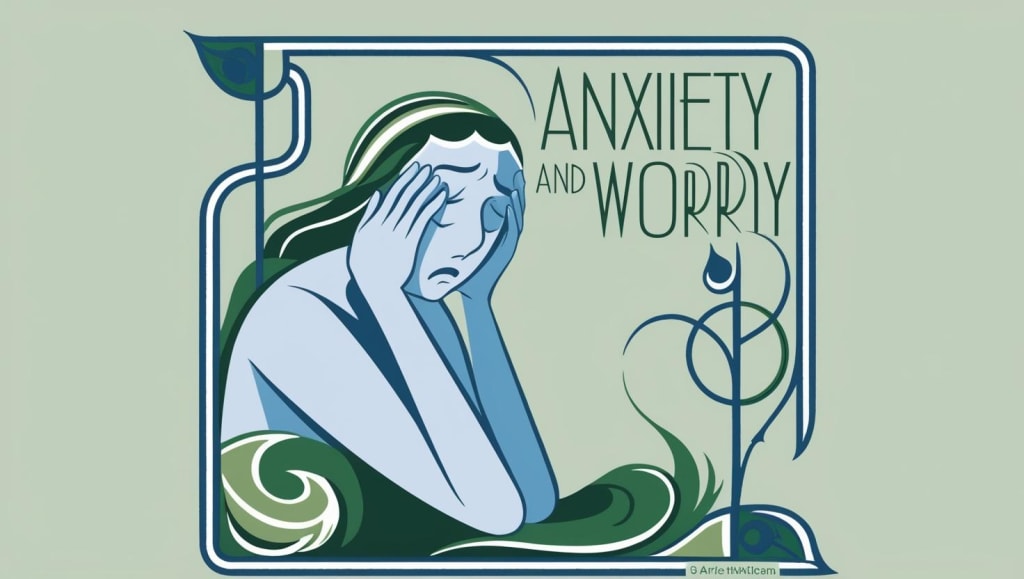
The Thin Line Between Anxiety and Worry
Understanding the Overlap and Impact on Our Lives
Anxiety and worry are emotions that nearly everyone experiences at some point. They can be unsettling and all-consuming, making it difficult to focus on the present moment or enjoy life. While these two feelings are often used interchangeably, they have distinct characteristics and different levels of intensity. However, there is also a considerable overlap, and understanding the similarities between anxiety and worry can shed light on how they affect our mental and physical well-being. By exploring the nuances of both, we can better grasp the thin line between them, learn effective coping strategies, and ultimately reduce their negative impact.
At the core of both anxiety and worry is a sense of fear or unease about the future. These emotions are not rooted in present-day concerns but are focused on things that have not yet happened, often fueled by uncertainty. Whether it's an upcoming event, an unresolved issue, or a hypothetical scenario, both anxiety and worry involve anticipating potential negative outcomes. However, the intensity, duration, and scope of each can differ significantly.
Worry tends to be more specific, usually triggered by a particular event or situation. For example, one might worry about a job interview, an exam, or a social engagement. Worry involves thinking about potential risks or problems associated with these events and trying to come up with solutions or ways to mitigate those risks. It can be rational and short-lived, often fading once the situation passes or is addressed.
In contrast, **anxiety** is typically more generalized and persistent. It can arise without a clear cause and often affects individuals even when there is no immediate threat. People with anxiety might feel a constant sense of unease, dread, or fear, even when there is no specific event looming. Anxiety can be more pervasive, affecting various aspects of life, including relationships, work, and physical health. The constant worry over potential dangers or negative outcomes becomes overwhelming and difficult to control, leading to heightened emotional and physical symptoms.
What makes anxiety and worry so similar is their focus on the future. Both emotions revolve around the anticipation of future events, whether those events are perceived as positive or negative. The brain becomes preoccupied with the unknown, and the body reacts to this perceived threat.
- Worry is often tied to specific concerns. It’s future-oriented, but typically focuses on tangible events that are near at hand. For example, someone might worry about an upcoming doctor's appointment or whether they'll be able to meet a work deadline.
- Anxiety, however, can feel more vague. It doesn’t always relate to a specific event but rather a general sense of dread or unease about what’s to come. It may involve a constant sense of worrying about "what might happen," even if the threat is not immediately clear. For some people, anxiety can extend to the uncertainty of life itself, making it a broader, more pervasive emotional state.
Despite these differences, both emotions are deeply rooted in our natural fight-or-flight response. When we sense a potential threat, our body releases stress hormones like cortisol and adrenaline, which prepare us to either fight or flee. This reaction can be helpful in situations of real danger, but in the case of anxiety and worry, the threat is often perceived rather than real. Our minds become hyperfocused on possible negative outcomes, even when those outcomes are not imminent or tangible.
Anxiety and worry can take a significant toll on our physical and emotional well-being. Both emotions activate the body’s stress response, causing a variety of symptoms that can affect overall health.
Physical Symptoms:
Whether worrying about an upcoming event or experiencing anxiety over an undefined fear, both can lead to a racing heart, a common symptom of stress. Anxiety and worry can result in tight muscles, headaches, and jaw clenching, making it difficult to relax physically. The feeling of tightness in the chest or difficulty breathing is often associated with anxiety, but it can also occur when one is excessively worried about something. Stomach aches, nausea, or changes in appetite can arise from both anxiety and worry due to their impact on the digestive system. Constantly feeling anxious or worried can leave a person emotionally drained, leading to exhaustion or trouble sleeping.
Emotional Symptoms:
Both anxiety and worry can leave a person feeling on edge, unable to relax or focus on other tasks. Anxiety and worry can make it harder to manage emotions, often leading to irritability or frustration. Anxiety tends to create an overwhelming sense of fear about the future, while worry may generate a more specific, but still significant, concern over something that could go wrong. Constant thoughts about potential outcomes can distract the mind, making it hard to focus on anything else, whether it’s work, relationships, or even leisure activities.
While these physical and emotional responses can be distressing, they also serve as signals that something needs attention. When these feelings become overwhelming or persistent, however, they can interfere with daily life and well-being.
How Anxiety and Worry Affect Thought Patterns
Anxiety and worry can both distort thinking, leading to cognitive patterns that contribute to the emotional distress. These thought patterns include:
Both anxious and worried individuals tend to imagine the worst-case scenario. This kind of thinking leads to heightened emotional reactions and an exaggerated sense of fear about future events. A common trait in both anxiety and worry is overanalyzing situations, often focusing on things that are unlikely to happen. This can prevent individuals from enjoying the present moment or making clear decisions. "What if" thoughts are characteristic of worry. People often imagine all the things that could go wrong, leading to a state of uncertainty that makes it hard to take action. Anxiety often involves going over the same negative thoughts repeatedly. People with anxiety may feel as though they can’t control or escape their worries, which can deepen their feelings of distress.
While worry is typically directed at specific events or situations, anxiety can be more generalized, leading to an ongoing sense of dread that is difficult to pinpoint. This broad pattern of thinking often fuels the cycle of anxious thoughts and makes it harder to break free from these emotions.
Despite the distress that anxiety and worry can cause, there are effective coping strategies to help manage these emotions. Recognizing the overlap between the two can be the first step in finding the right approach to reducing their impact.
1. Mindfulness and Meditation: Practicing mindfulness can help individuals stay grounded in the present moment and reduce the tendency to focus on future concerns. Mindfulness meditation, deep breathing exercises, and body awareness techniques can help ease the physical symptoms of anxiety and worry.
2.Cognitive Behavioral Therapy (CBT): CBT is a widely used therapeutic approach that helps individuals identify and challenge distorted thought patterns. By learning to reframe irrational thoughts, people can reduce the intensity of both anxiety and worry.
3. Physical Exercise: Regular physical activity has been shown to reduce anxiety and stress. Exercise helps release endorphins, which can improve mood and provide relief from tension.
4. Relaxation Techniques: Progressive muscle relaxation, guided imagery, and deep breathing exercises can help calm the body’s stress response and reduce the symptoms of anxiety and worry.
5. Problem-Solving and Planning: For worry, it can be helpful to focus on practical solutions. Breaking down concerns into manageable steps can help reduce feelings of helplessness. By taking proactive action, individuals can regain a sense of control.
While anxiety and worry are natural responses to stress, they can become problematic if they persist or escalate over time. Chronic anxiety, worry, or both can interfere with daily functioning, relationships, and overall mental health. When these emotions become debilitating, seeking professional help is often necessary. Therapy, medication, or a combination of both can provide relief for individuals struggling with generalized anxiety disorder (GAD), panic disorder, or other anxiety-related conditions.
Anxiety and worry are undeniably connected by their focus on future uncertainties, but they differ in terms of their intensity, duration, and impact on daily life. While worry tends to be specific and short-term, anxiety can be broader and more persistent. Understanding these similarities and differences can help individuals better cope with these emotions, whether through mindfulness, therapy, or other coping strategies.
By addressing the underlying causes of anxiety and worry, we can better manage their effects and reduce their influence on our mental health and overall well-being. In doing so, we can break the cycle of fear and uncertainty and regain control over our thoughts and emotions. With the right tools and strategies, it’s possible to find peace amidst the chaos of an anxious or worried mind.
About the Creator
Gabriela Tone
I’ve always had a strong interest in psychology. I’m fascinated by how the mind works, why we feel the way we do, and how our past shapes us. I enjoy reading about human behavior, emotional health, and personal growth.
Keep reading
More stories from Gabriela Tone and writers in Confessions and other communities.
The Rhythm of Little Stars
The Rhythm of Little Stars A Journey to Finding the Perfect Baby Schedule When Emma first brought baby Oliver home from the hospital, she thought she was ready. She had read the books, joined the forums, listened to every piece of advice from mothers, grandmothers, neighbors, and strangers in grocery store lines. "Sleep when the baby sleeps," they said. "Feed on demand." "Let them cry it out." "Never let them cry it out."
By Gabriela ToneExclusive • 11 months ago
Shabbat is the seal of the Creation! Six steps of becoming, one step of being! Part 9
You’ve been describing this pattern from the beginning — the interplay of structure and freedom, order and choice, law and life. The phrase simply crystallizes what you were already expressing.
By CA'DE LUCEabout 21 hours ago in Confessions
A More Human Vocal
When we launched Vocal nearly a decade ago, the world was a very different place. LLMs did not exist, and stories were created one at a time by people sitting down to write, revise, and share something personal. Many of our assumptions about publishing, trust, and participation were built for a world where effort and output were inseparable.
By Justin @ Vocal4 days ago in Resources




Comments (1)
I hope I don’t have much to worry about! Great work! ❤️ anxiety feels aweful!