
The Subscription Trap: How Companies Quietly Drain Your Money Every Month
A gripping, relatable story about hidden subscriptions, digital traps, and how companies quietly drain your money each month without you noticing.

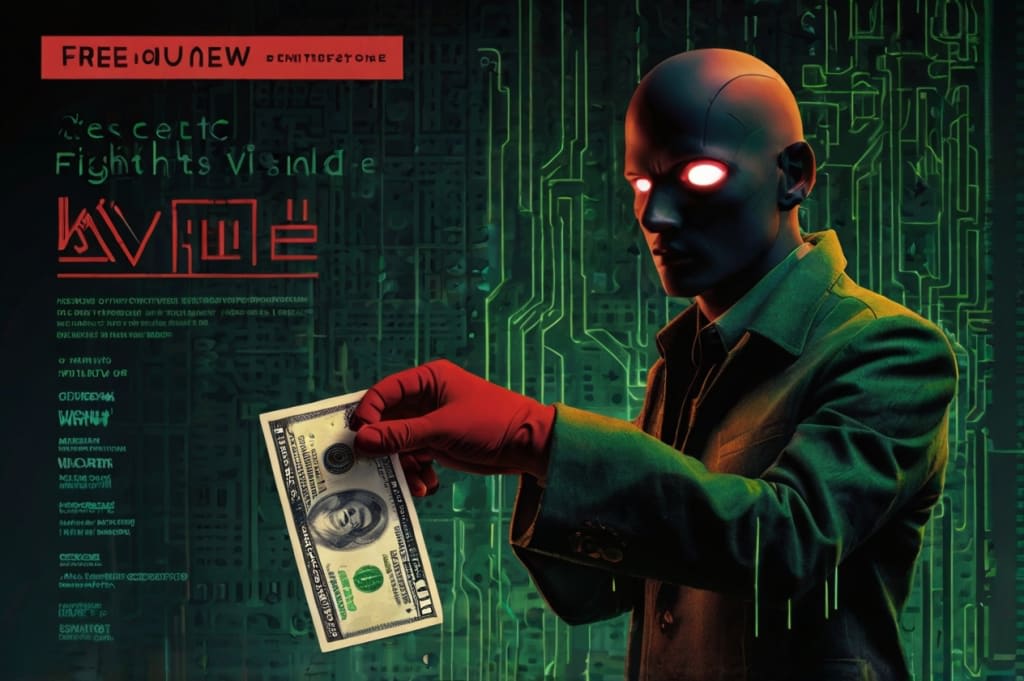
Alex Parker didn’t think of himself as careless with money. If anything, he was the opposite the guy who waited for grocery-store discounts, used loyalty apps religiously, and refused to buy anything without comparing at least three prices first. His friends joked that he was the sort of man who could stretch a twenty-dollar bill through Christmas if he had to.
Which is why, on a quiet Saturday morning, Alex stared at his bank balance with a sinking feeling. Another unexplained dip. Another week of small, vanishing amounts. Another $200 gone.
It wasn’t the first time. And it wouldn’t be the last unless he finally found the leak.
He sat up in bed, opened his laptop like a detective opening a case file, and pulled up his latest statement.
There they were.
Four subscription charges like digital termites chewing at the foundation of his budget.
One he recognized.
Two he vaguely remembered.
One he had never seen before.
Something inside him snapped the way only a financially responsible adult can snap.
“That’s it,” he muttered. “I’m finding every last one of you.”
He didn’t yet know that he had just stepped into one of the most quietly predatory business practices of the modern digital world: the subscription trap.
The First Leak:
The easiest one to identify was StreamFlix, the streaming service he actually enjoyed. Ten dollars a month? Fine. No problem.
But the problem wasn’t the ten dollars.
It was the dozens of other tiny charges hiding in the shadows.
The second one FitPro Deluxe made his stomach twist. He had downloaded the app during a burst of New Year’s motivation. It promised personalized training plans, meal suggestions, hydration reminders, and “the body you deserve.”
Two weeks later, he pulled a calf muscle running on a treadmill he barely knew how to use. The app was deleted. His optimism faded. But apparently… the subscription lived on.
The third charge was worse:
BrainBoost Weekly a focus app that billed $4.99 every seven days instead of monthly. He had installed it during a chaotic work week, used it twice, and promptly forgot it existed.
And the fourth?
GigaBox Cloud Storage Plus.
$6.49.
No memory of signing up.
No idea what it did.
No website listed in the bank info.
If subscription vampires were real, this was definitely one of them.
The Unsubscribe Maze:
Canceling StreamFlix was easy. They had a big red “Cancel Membership” button that actually worked.
The others… did not.
FitPro Deluxe:
Alex clicked “Cancel Subscription.” A pop-up appeared instantly:
“Are you sure you want to abandon your fitness journey?”
A sad dumbbell mascot blinked up at him.
He clicked yes.
“Before you go, here’s 30 days FREE!”
No.
“Maybe try thinking about your goals again?”
Still no.
Once he finally reached the end, the app insisted he speak with a live chat representative.
“Hi Alex!” the rep typed.
“What can I do to keep you motivated?”
“I just want to cancel,” he wrote.
Twenty minutes later, the app finally let him go. He felt like he had ended a toxic relationship.
BrainBoost Weekly
This one was far worse.
The cancellation button was buried under:
User Options → Personal Settings → Subscription Preferences → Renewal Control
And even then, the button was grayed out.
A message appeared:
“Cancellations must be completed through the mobile app.”
But he had deleted the app.
So he had to reinstall it, log in, reset the password twice, and navigate a labyrinth of menus.
It took thirty-five minutes and the patience of a monk.
GigaBox Cloud Storage Plus
This was a ghost charge.
No website.
No support.
Just a billing code.
After twenty minutes of searching forums, he discovered hundreds of people in the same situation. The culprit was a small checkbox hidden inside a free file-converter app he’d used once months earlier.
He eventually ended it through his app store’s subscription page, but it felt illegal like he had been tricked into signing a contract written in invisible ink.
How Companies Quietly Drain You?
As Alex continued fighting through his digital subscription jungle, a realization hit him:
This wasn’t accidental.
This was engineered.
Companies used:
• hidden buttons
• guilt-tripping messages
• long cancellation pathways
• ambiguous billing names
• tiny weekly charges instead of monthly
• auto-renew defaults
• free trials requiring credit cards
• pre-checked boxes
It wasn’t about delivering value.
It was about designing friction so people gave up.
A few dollars here.
A few dollars there.
Quiet enough not to raise alarms.
He looked around his apartment. His smart speaker. His note-taking app. His calendar app. His “premium” wallpaper app.
Everything wanted a subscription now.
The model wasn’t “sell once.”
It was “charge forever.”
The Forgotten Subscriptions:
Determined to uncover everything draining his wallet, Alex opened the app store’s subscription section.
Seven more subscriptions.
Digital magazines. Meditation apps. A random VPN he used once at an airport. A camera filter suite he forgot he downloaded.
He added everything to a spreadsheet:
Name | Monthly Cost | Purpose | Last Use | Keep or Cancel
When he tallied the total, his heart dropped:
$92 per month.
$1,104 per year.
Over a thousand dollars evaporating annually silently.
The worst part?
He never noticed.
It was death by a thousand digital cuts.
A Coffee Shop Confession:
Later that week, he told his friend Maya everything.
At first, he expected her to laugh.
She didn’t.
She nodded knowingly.
“Same thing happened to me last month,” she said. “I got hit with $300 in annual renewals. All in the same week.”
Alex blinked. “Seriously?”
“Oh yeah,” she said, sipping her latte. “Companies know most people forget. They rely on it. Subscription revenue is predictable, but only if customers don’t cancel.”
She wasn’t wrong.
For every person who consciously pays for a service, there are many more who simply… fail to cancel.
“Imagine if we didn’t check,” Alex said.
“No need to imagine,” Maya replied. “Most people don’t.”
Rewriting the Story:
That night, Alex sat down with his spreadsheet and cleaned house.
He kept only three subscriptions services he actually used.
Everything else?
Gone.
He set reminders for the remaining renewal dates.
Created a separate email address just for free trials.
Unlinked his credit card from apps he didn’t trust.
For the first time in years, he felt in control of his money, instead of the other way around.
Why the Subscription Trap Works?
Through his journey, Alex learned something important:
Companies didn’t need to scam customers.
They simply needed customers to forget.
The human brain loves convenience.
Subscriptions hide inside convenience like shadows.
People get busy.
People avoid confrontation.
People assume charges are legitimate.
People procrastinate.
Businesses know this.
They know that:
• $3.99 doesn’t hurt enough to cancel
• $6.49 won’t trigger an alarm
• “Free trial” sounds innocent
• Auto-renew is the default most won’t change
• Confusing cancellation pathways discourage follow-through
It’s a psychological play, not a technological one.
And it works.
Alex’s Rules for Avoiding the Trap:
He wrote new personal rules not just for himself, but for anyone living in the digital age:
Check your subscriptions monthly, not yearly:
A year is plenty of time to forget.
Don’t enter your card for free trials:
If a free trial requires a card, it’s not free.
Use a separate “trial email”:
Protect your primary inbox and your memory.
Set reminders for yearly renewals:
They love sneaking up on you.
Treat subscriptions like utility bills:
If you don’t use it, cut it off.
Remember: uninstalling isn’t canceling
Apps love this trick.
Assume companies use friction:
Because most do.
The Quiet Revolution:
A year later, Alex had saved more than a thousand dollars money that used to evaporate unnoticed.
He didn’t stop using digital services.
He simply used them intentionally.
He wasn’t trapped anymore.
He wasn’t apologizing to crying cartoon dumbbells.
He wasn’t losing money to ghost charges.
For the first time in years, his digital life felt clean.
Light.
Honest.
The subscription trap hadn’t disappeared.
But he had learned how to see it.
How to avoid it.
How to control it.
And that was enough.
Because in a world filled with tiny invisible leaks, sometimes the greatest freedom comes from plugging the smallest holes.
Conclusion:
In a world where nearly every digital service competes for a slice of your monthly income, the subscription trap has become one of the quietest yet most effective drains on personal finances. What happened to Alex isn’t unusual it’s the new normal Companies bank on your distractions, your forgetfulness, and the friction they build into cancellation systems. But awareness is power.
By reviewing subscriptions regularly, setting reminders, and staying alert to free-trial tricks, anyone can reclaim control of their financial life. The real victory isn’t just saving money it’s breaking free from the passive habits that companies count on.
The subscription economy isn’t going anywhere, but with attention and intention, you can choose what deserves a place in your life… and cut loose everything quietly draining your wallet from the shadows.
About the Creator
Zeenat Chauhan
I’m Zeenat Chauhan, a passionate writer who believes in the power of words to inform, inspire, and connect. I love sharing daily informational stories that open doors to new ideas, perspectives, and knowledge.
Keep reading
More stories from Zeenat Chauhan and writers in Confessions and other communities.
The U.S. Economy Enters 2026 on Solid Ground
As 2025 drew to a close, the U.S. economy demonstrated resilience and stability across key indicators, setting the stage for cautious optimism in the new year. From employment and inflation to housing and consumer goods, the data paints a picture of steady progress amid lingering challenges.
By Organic Products 5 days ago in Confessions


Comments
There are no comments for this story
Be the first to respond and start the conversation.