
“The Secret Addiction That Controlled My Life”
How I Hid My Obsession in Plain Sight—And What It Took to Break Free"
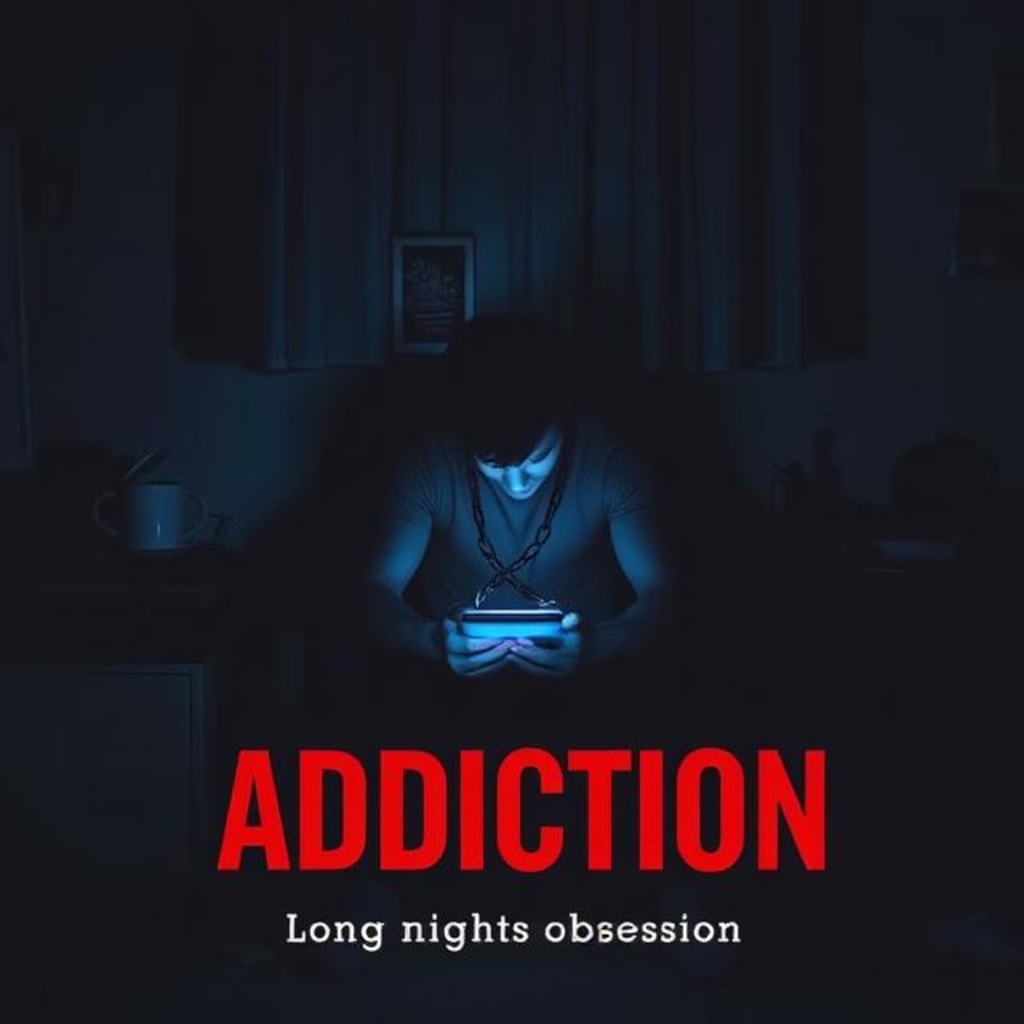
I wasn’t the kind of person anyone would expect to spiral.
To the outside world, I was composed, efficient, and successful. I held a respectable job in marketing, ran five miles every morning, and kept a tidy apartment in the city. I smiled at baristas, always paid my bills on time, and remembered people’s birthdays. But what no one knew—what I wouldn’t even admit to myself for a long time—was that I was addicted.
Not to drugs.
Not to alcohol.
Not even to gambling or sex.
I was addicted to validation.
And I found it in the most seductive place of all: the internet.
The Beginnings
It started innocently, as most addictions do.
I created my first social media account in college. A few pictures, a couple of status updates, and a trickle of likes. At first, it was just fun—a way to connect, to stay in the loop. But slowly, I noticed something.
When a post did well—when it got comments, when it got shared—I felt invincible. I felt important. Wanted. Seen.
It gave me something I hadn’t realized I was missing: a sense of worth.
At first, it was manageable. I’d check in once or twice a day, scroll through feeds, reply to comments. Then came the selfies. The curated meals. The "candid" moments that weren’t candid at all. I was building a brand—and that brand was me.
A Slippery Slope
By the time I was 27, I was spending seven to eight hours a day on various platforms.
It started bleeding into everything. At work, I’d minimize spreadsheets when someone passed by, but I was really checking my stats—engagement, reach, impressions. On dates, I’d sneak glances at my phone under the table to see how my last post was doing. I once left a friend’s birthday party early just so I could edit and upload a photo while the lighting was still good.
Every notification felt like a hit of dopamine. Every silence between them felt like withdrawal.
People thought I was driven. They said I was creative. But the truth was—I was constantly performing. For likes. For approval. For a world I couldn’t touch.
The Cost of Applause
I missed so many real moments chasing digital ones.
My sister gave birth to my nephew, and while holding him in the hospital, I angled him for a picture—not to capture the memory, but to post it. I used hashtags. I picked a filter. I pressed share. I missed the moment entirely.
When my dad passed away suddenly from a stroke, I shared a black-and-white photo of us together with a poetic caption. The condolences poured in—heart emojis, praying hands, kind words from people I hadn’t seen in years. But in bed that night, scrolling through the comments, I felt nothing but hollowness.
Grief couldn’t be filtered. And real connection couldn’t be faked.
The Breaking Point
My breaking point wasn’t dramatic. It wasn’t an overdose, or a scandal, or some public humiliation. It was quieter than that.
One night, I opened my phone, intending to set an alarm. Instead, I mindlessly opened a social app and spent three hours scrolling.
Three. Hours. Gone.
When I finally looked up, the sun was rising. My eyes were dry. My chest was tight. I was supposed to give a presentation in two hours. I hadn’t slept. And I didn’t care. All I could think about was why my last post wasn’t getting traction.
That’s when the realization hit me—not with a bang, but with a whisper:
“You’re not in control anymore.”
The Withdrawal
Quitting wasn’t easy.
I tried deactivating my accounts cold turkey, but the anxiety was unbearable. I felt invisible. Forgotten. Like I didn’t exist if I wasn’t being seen online. I reactivated them within two days, ashamed and exhausted.
So I tried something else. I started by deleting the apps off my phone. Then I set screen time limits. I told a few close friends what I was going through. One of them—Sarah, my college roommate—gave me the best advice I’ve ever gotten:
“You have to find the thing you were trying to get from strangers and learn to give it to yourself.”
It hit me like a punch to the gut.
She was right. I wasn’t addicted to social media.
I was addicted to feeling like I mattered.
Rebuilding From the Ashes
The first few weeks offline were excruciating. I was irritable, anxious, and constantly reaching for a phone that no longer held my world.
But slowly, things started to shift.
I began journaling every morning instead of checking my phone. I joined a local writing group—not for followers, but for the joy of creating. I started cooking meals without photographing them. I spent weekends off the grid. I walked without music. I learned to sit in silence.
I started seeing people again—not their filtered lives, but their real, messy, wonderful selves.
And, eventually, I started seeing myself again.
Not the curated version. Not the brand.
Just... me.
What I Learned
Addiction doesn’t always come with a needle or a bottle. Sometimes, it comes with likes and hearts and perfectly timed captions.
And recovery doesn’t always look heroic. Sometimes, it’s just going to bed on time. Saying no to a post. Letting yourself be unseen.
What I craved all along wasn’t attention. It was connection. Belonging. Worth.
And no algorithm could ever give me that.
Where I Am Now
It’s been two years since I stepped back from that world. I still have accounts, but I use them sparingly—and intentionally. I don’t chase virality. I don’t post to impress. And most importantly, I no longer measure my worth in notifications.
I measure it in quiet moments. In deep breaths. In real conversations. In eye contact.
And when I look in the mirror now, I don’t see a stranger seeking approval.
I see someone who broke free.
And that’s a kind of validation no one can take away from me.
About the Creator
Keep reading
More stories from Hamza Habib and writers in Confessions and other communities.
The Silence Around Prince Andrew
There are moments in public life when silence becomes more powerful than words. For a long time, I have followed the ongoing discussions surrounding Prince Andrew and the wider controversy connected to Jeffrey Epstein. Like many observers, I often find myself wondering what is truly known, what is misunderstood, and what may never fully be explained.
By CelebCast Centralabout 9 hours ago in Confessions
Hottest in the Office
Dear Rafi, You’re very distracting to work around. For the first second I saw you the other day, I thought you were some type of executive. It took a moment to realize no, you were just the new guy, dressed up for the job he wants. Be still, my heart.
By Gabriel Shames5 days ago in Pride


Comments
There are no comments for this story
Be the first to respond and start the conversation.