
The Power of Being Heard
Why Every Voice Matters in a Noisy World
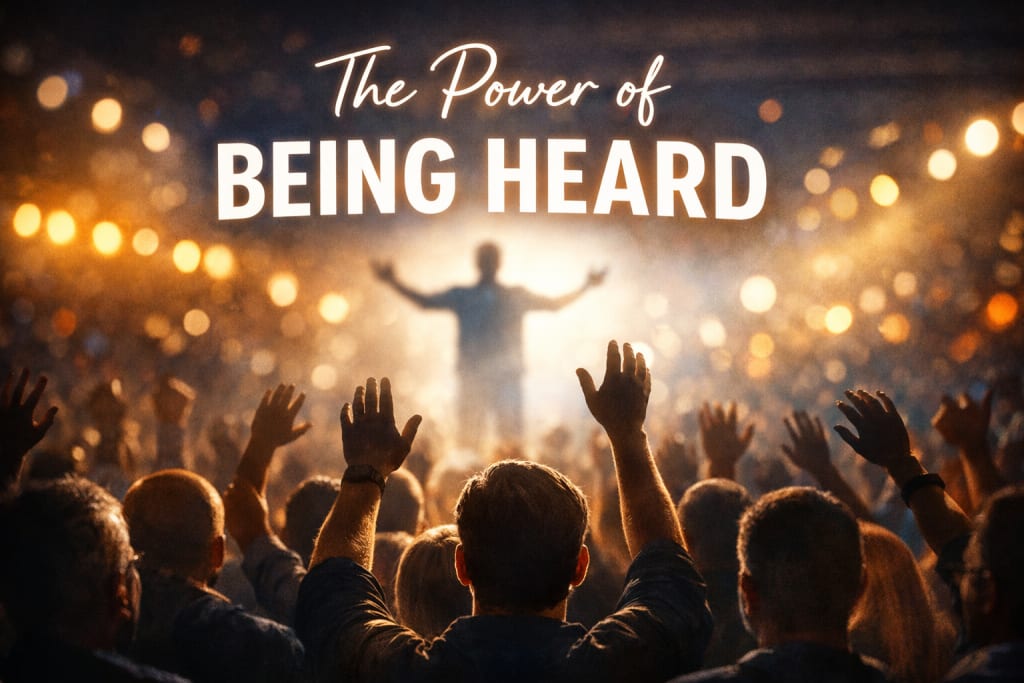
In a world overflowing with opinions, updates, notifications, and endless streams of content, the idea of being heard can feel both simple and impossibly complex. We speak more than ever—through social media posts, voice notes, comments, emails, and messages—yet many people feel deeply unheard. The paradox of modern communication is this: despite having countless platforms to express ourselves, true listening has become rare. The power of being heard, therefore, is not just about speaking louder or more often; it is about meaningful recognition, validation, and connection.
Being heard is a fundamental human need. From early childhood, we seek acknowledgment—through a parent’s attention, a teacher’s encouragement, or a friend’s empathy. As adults, this need does not disappear; it simply evolves. Whether in personal relationships, workplaces, or society at large, being heard affirms our existence. It tells us that our thoughts matter, our experiences are valid, and our presence has value.
The Emotional Impact of Being Heard
When someone truly listens, something powerful happens beneath the surface. Being heard creates emotional safety. It allows individuals to express vulnerability without fear of judgment or dismissal. This emotional validation can reduce stress, ease anxiety, and foster a sense of belonging.
Conversely, not being heard can be deeply damaging. Repeatedly feeling ignored or misunderstood can lead to frustration, self-doubt, and emotional withdrawal. Over time, people may stop speaking up altogether—not because they have nothing to say, but because they believe no one is listening. This silence can erode confidence and diminish self-worth.
In relationships, the difference between being heard and being dismissed often determines their strength. A partner who listens without interrupting, a friend who acknowledges feelings rather than offering quick solutions, or a family member who validates emotions can profoundly influence emotional well-being. Being heard does not always require agreement; it requires presence.
Being Heard in a Digital World
The digital age has redefined what it means to have a voice. Social media platforms promise visibility and reach, allowing individuals to share their thoughts with global audiences. Movements are born online, stories go viral, and marginalized voices find spaces that were previously inaccessible.
Yet, digital visibility does not guarantee genuine listening. Algorithms prioritize engagement over understanding, often amplifying outrage rather than nuance. Voices can be drowned out by trends, overshadowed by influencers, or reduced to metrics such as likes and shares. In this environment, being heard can feel transactional—measured by numbers rather than impact.
Despite these challenges, the digital world still holds immense potential for meaningful expression. Blogs, long-form articles, podcasts, and thoughtful commentary offer spaces for deeper connection. Platforms that value storytelling and authenticity over speed allow voices to resonate rather than echo briefly and disappear.
The Role of Listening in Empowerment
The power of being heard is inseparable from the act of listening. Listening is not passive; it is an active, intentional choice. It requires setting aside distractions, suspending judgment, and engaging with empathy.
When leaders listen, they empower. Employees who feel heard are more engaged, innovative, and loyal. When communities listen, they grow stronger, more inclusive, and more resilient. Social change often begins not with speaking, but with listening—to stories of injustice, to lived experiences, and to voices long ignored.
Listening also transforms the listener. It expands perspective, challenges assumptions, and fosters compassion. In truly hearing another person, we often discover truths about ourselves.
Marginalized Voices and the Struggle to Be Heard
For many, being heard is not a given—it is a constant struggle. Marginalized communities have historically been silenced, dismissed, or misrepresented. Their voices are often questioned, minimized, or overshadowed by dominant narratives.
The power of being heard in these contexts is revolutionary. When marginalized voices are amplified, societies are forced to confront uncomfortable truths. Stories of inequality, resilience, and resistance challenge the status quo and demand accountability.
However, amplification must be accompanied by respect. Being heard is not about tokenism or temporary attention; it is about sustained listening and meaningful action. True allyship involves creating space, stepping back when necessary, and ensuring that voices speak for themselves.
Finding the Courage to Speak
While being heard requires listeners, it also requires speakers who are willing to speak. Finding one’s voice is often an act of courage. Fear of judgment, rejection, or misunderstanding can silence even the strongest opinions.
Speaking up may begin in small ways: sharing a personal story, expressing an unpopular opinion, or setting a boundary. Over time, these small acts build confidence. The realization that one’s voice has impact—even if it reaches only one person—can be transformative.
Importantly, speaking does not always mean speaking loudly. Quiet voices, thoughtful words, and reflective silence can be just as powerful. Authenticity matters more than volume.
Creating Spaces Where Voices Matter
To harness the power of being heard, we must intentionally create spaces that value listening. This applies to families, workplaces, online platforms, and communities.
Such spaces are built on respect and openness. They encourage dialogue rather than debate, understanding rather than winning. They recognize that everyone carries a unique story shaped by different experiences.
In creative and writing communities, these spaces allow individuals to share stories without fear of ridicule. Feedback becomes constructive rather than dismissive. Voices are nurtured, not compared.
The Ripple Effect of Being Heard
When one person feels heard, the impact often extends beyond that moment. Being heard can inspire confidence, spark creativity, and encourage others to speak. It creates a ripple effect, where listening begets listening.
Stories that are heard can change minds, influence policies, and shape culture. History is filled with moments where a single voice—once ignored—eventually transformed the world. These moments remind us that voices matter, even when they begin as whispers.
Conclusion: Choosing to Listen, Choosing to Speak
The power of being heard lies at the heart of human connection. It bridges gaps between individuals, strengthens communities, and fuels progress. In a noisy world, choosing to listen is a radical act of care. Choosing to speak is an act of self-respect.
We all play a role in this exchange. We can listen more deeply, speak more honestly, and create spaces where voices are valued rather than overlooked. Being heard is not about dominance or attention—it is about recognition.
In the end, when we truly hear one another, we do more than exchange words. We affirm humanity itself.
About the Creator
Keep reading
More stories from Aiman Shahid and writers in Confessions and other communities.
When Silence Speaks Louder Than Words
Introduction In a world overflowing with noise—notifications buzzing, opinions flying across social media, and conversations happening at lightning speed—silence has become rare. We are encouraged to speak up, react instantly, and share everything we feel. Yet, amid all this constant expression, silence often carries a power that words simply cannot match. Silence can heal, provoke, protect, and even speak truths that language fails to capture. When used intentionally, silence becomes not an absence of communication but a deeper, more meaningful form of it.
By Aiman Shahid3 months ago in Confessions
The Hollywood Dream That Didn’t Go as Planned
For years, the world has been fascinated by the lives of Prince Harry and his wife, Meghan Markle. Their departure from the royal family once felt like the beginning of a powerful new chapter—one filled with freedom, creativity, and global influence. But in the unpredictable world of entertainment and media, even the most promising partnerships can face unexpected setbacks.
By CelebCast Central7 days ago in Confessions
Hottest in the Office
Dear Rafi, You’re very distracting to work around. For the first second I saw you the other day, I thought you were some type of executive. It took a moment to realize no, you were just the new guy, dressed up for the job he wants. Be still, my heart.
By Gabriel Shames5 days ago in Pride




Comments
There are no comments for this story
Be the first to respond and start the conversation.