
The Illness That Changed My Perspective on Health and Happiness
A wake-up call that reshaped how I live, love, and value the everyday

Before I got sick, I thought I understood what it meant to live a healthy life. I exercised a few times a week, watched what I ate (more or less), and took pride in not missing a single workday in years. I measured health by physical energy and productivity. But that illusion shattered the day I was diagnosed with a chronic illness I never saw coming.
It started with something small. A little fatigue here and there. I shrugged it off as burnout from work—just another symptom of the modern hustle. But then came the headaches, the digestive issues, the strange body aches that seemed to appear and vanish without reason. I kept pushing through, telling myself it would pass. It didn’t.
One night, after nearly fainting while climbing the stairs, I decided to visit a doctor. One appointment turned into a dozen. Blood tests, scans, and consultations filled the weeks that followed. Eventually, I was diagnosed with an autoimmune condition. It wasn’t life-threatening, but it was life-altering. My immune system had turned on my own body, and no one could say why or when it would calm down again.
In that moment, the life I had built—one centered on routine, deadlines, and the illusion of control—started to crumble.

The hardest part wasn’t the diagnosis. It was the identity crisis that came with it. I had always been the strong one, the reliable one, the person people could count on. Suddenly, I couldn’t count on my own body. There were days when I could barely get out of bed, let alone sit through meetings or attend social gatherings. Plans became tentative. Mornings became uncertain. I had to learn to live with a body that no longer obeyed my will.
At first, I was angry. Angry at my body. Angry at doctors who couldn’t “fix” me. Angry at the friends who didn’t understand what I was going through. I grieved the version of myself that was energetic and pain-free. I mourned the life I used to lead without even realizing how lucky I had been.
But slowly—painfully slowly—I began to shift.
I started paying attention to the small things. Drinking more water. Getting enough sleep. Saying no when I needed rest. Not out of luxury, but necessity. I began to understand that health isn’t just about being “not sick.” It’s about balance. About respect. About listening.
One day, while lying on the couch, too tired to do anything but breathe, I noticed the sunlight spilling through the curtains. For the first time in weeks, I felt something close to peace. I had nowhere to be. Nothing urgent pulling me. Just the quiet, the light, and my breath.
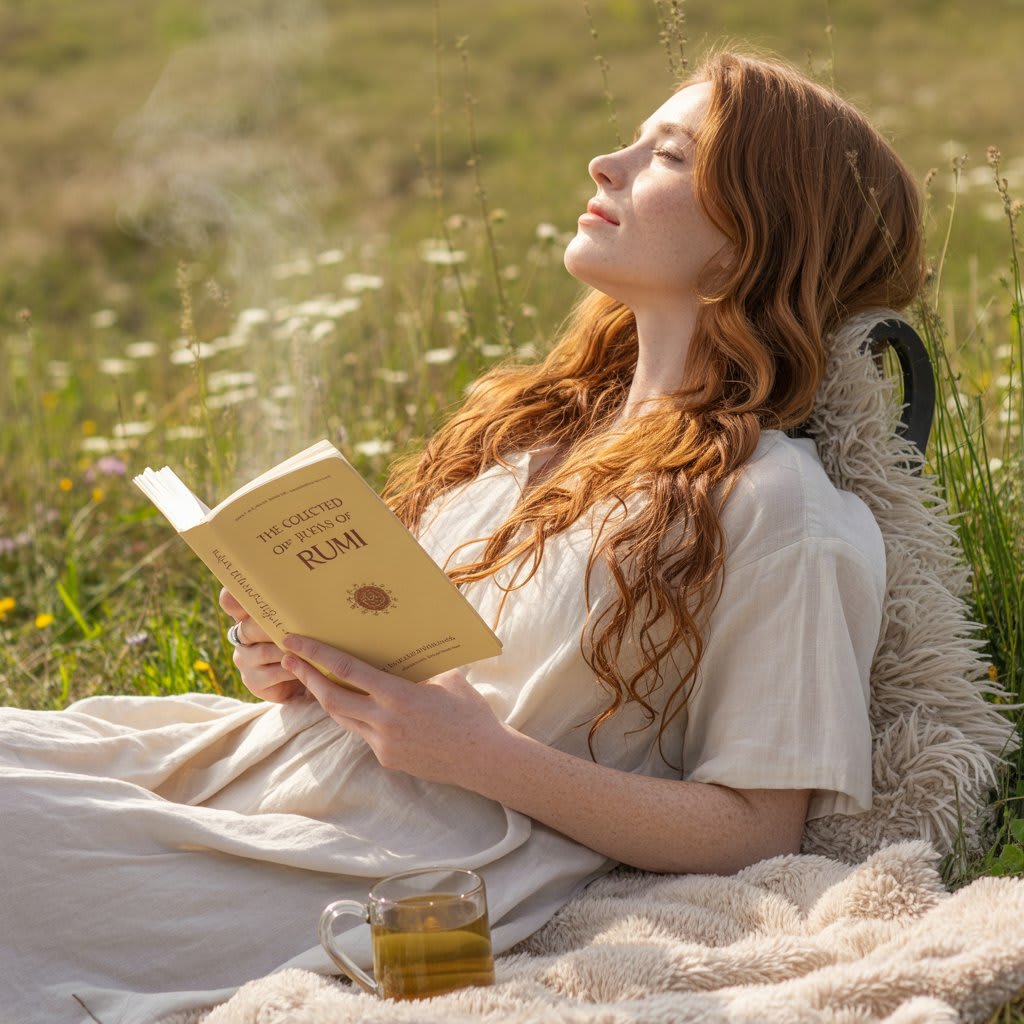
That moment stayed with me. It reminded me that life doesn't have to be lived at full speed to be meaningful. It taught me that happiness isn’t a grand achievement—it’s often hidden in the in-between spaces: a good cup of tea, a soft blanket, a genuine laugh, a pain-free morning.
I also started reconnecting with people in a different way. My illness forced me to be honest. When friends asked how I was, I stopped saying “I’m fine” by default. Some people drifted away, unsure how to handle vulnerability. But others—those willing to sit with my silence and celebrate my small victories—became more precious than ever.
Therapy helped, too. Not just for coping with the illness, but for reimagining what kind of life I wanted to live. I realized I didn’t want to return to my old life, even if I physically could. That life was built on overwork, self-neglect, and the constant pursuit of “enough.” What I wanted now was alignment: to live in a way that honored both my limits and my longings.
So I changed course. I cut back on work hours. I prioritized joy. I started writing again, something I hadn’t done in years. I spent more time in nature, more time with family, and more time with myself.
I won’t pretend that everything is perfect. Chronic illness doesn’t vanish because you have an epiphany. There are still bad days, still pain, still frustration. But my relationship with my body—and with life itself—has changed.
Now, when I think about health, I think about more than lab results or step counts. I think about emotional well-being. About mental peace. About slowing down enough to hear what your heart is trying to tell you. I think about joy as medicine and gratitude as a daily vitamin.
And when I think about happiness, I no longer tie it to accomplishments or external approval. I’ve found happiness in the soft mornings when I wake up with energy. In the way my cat curls up next to me while I write. In the warmth of soup when my body aches. In the courage it takes to be gentle with myself, even when the world demands otherwise.
Getting sick broke me open—but it also opened me up. To a new way of living. A new definition of strength. And a deeper understanding that sometimes, what feels like the end is actually an invitation to begin again—with more wisdom, more softness, and more grace.
About the Creator
Keep reading
More stories from Muhammad Jawad and writers in Confessions and other communities.
How Losing My Job Helped Me Rebuild a Better Life
It’s strange how the worst moments in our lives can become the foundation for something better. At the time, it didn’t feel like a blessing in disguise—it felt like the world had collapsed beneath my feet. But looking back now, losing my job was the wake-up call I never knew I needed.
By Muhammad Jawad10 months ago in Confessions
The Hidden Costs of a Royal Media Venture
When a royal steps out of the palace, the world expects spectacle, influence, and immediate success. But for Meghan Markle and Prince Harry, the journey from royal life to entrepreneurial endeavors has proven far more complex than headlines suggest. Behind the glitz and glamour lie unpopped projects, unused resources, and the reality that star power alone cannot guarantee sustainable success.
By Norul Rahman7 days ago in Confessions


Comments
There are no comments for this story
Be the first to respond and start the conversation.