
The Hidden Power of Influence
A quiet confession about modern influencers, political messaging, and the surprising ways leaders try to control their narrative

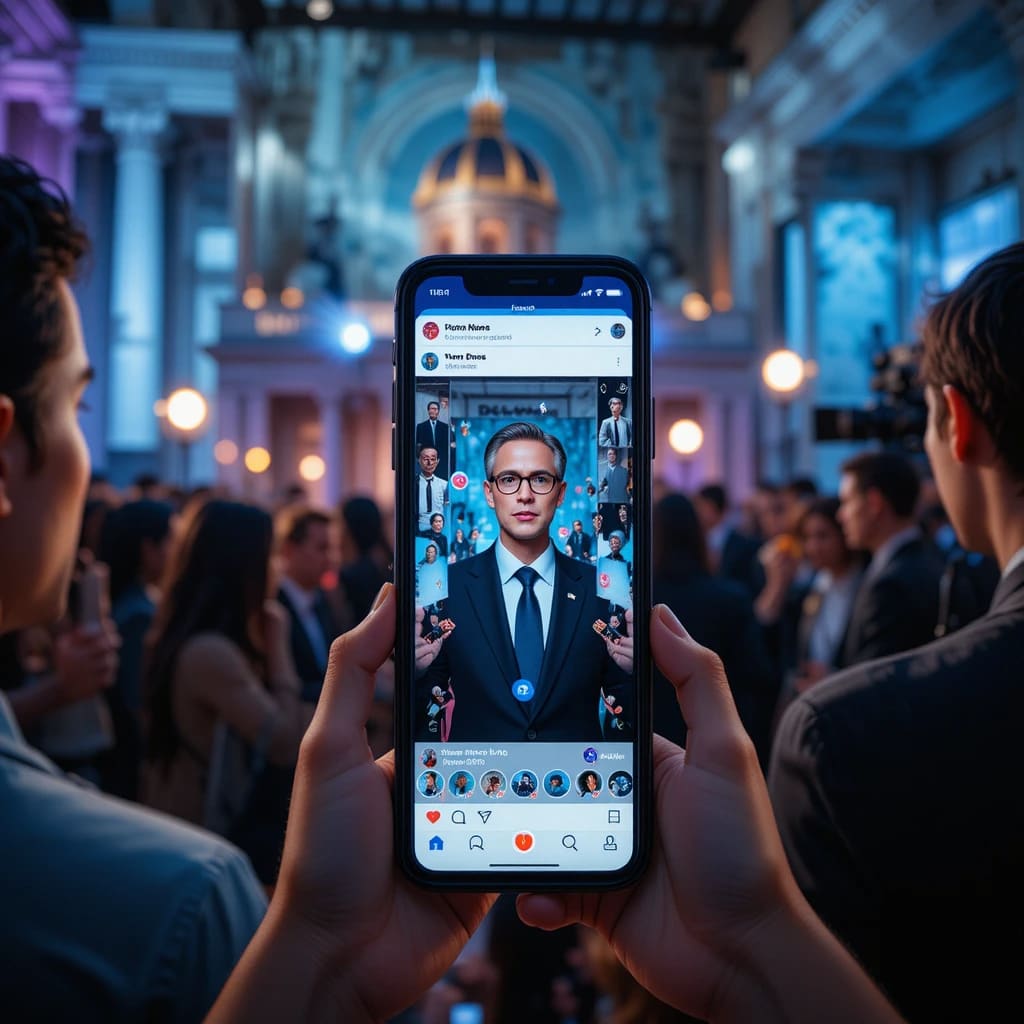
A few months ago, I attended an event that made me rethink something I had always taken for granted.
It was held near 10 Downing Street, the famous address associated with the British Prime Minister. The gathering was described as an “influencer event,” which immediately made me curious.
To be honest, the word influencer had always felt a little mysterious to me.
Growing up, influence seemed much simpler. If you watched a television advertisement and it offered something exciting — perhaps a free toy inside a cereal box — you suddenly wanted that cereal.
That was influence.
It didn’t need complicated terminology or digital platforms. It was simply marketing designed to capture attention.
Today, the concept has evolved dramatically.
Instead of television commercials alone, influence now lives on digital platforms where individuals build audiences by sharing opinions, lifestyle choices, and recommendations. Social media personalities can introduce products, promote ideas, or shape conversations among millions of viewers.
In many cases, those recommendations are sponsored, turning influence into a profitable profession.
Platforms like Instagram, TikTok, and X have created entire industries built around personal branding and online engagement.
Companies partner with influencers because audiences often trust individuals more than traditional advertising.
But something else has happened along the way.
Influence has expanded beyond products and entertainment.
It has entered politics.
This realization became clearer to me during conversations at that event near Downing Street. Many attendees were digital creators whose content regularly reaches thousands — sometimes millions — of viewers.
For governments and political leaders, that level of attention represents an enormous opportunity.
Traditional media outlets once controlled the flow of information. Newspapers and television broadcasts determined which stories reached the public.
Now, however, a single post from an online creator can travel across the internet within minutes.
Political communication has adapted accordingly.
For example, Keir Starmer, the leader of the United Kingdom’s government, has increasingly explored digital platforms as a way to communicate directly with younger audiences.
Short videos, behind-the-scenes glimpses, and informal updates are becoming part of modern political messaging.
These formats often feel more personal than traditional speeches or press conferences.
At the same time, digital platforms bring their own challenges.
Open networks like X allow anyone to comment, criticize, or question official messages. That openness can make communication unpredictable for public figures.
As a result, some political strategists have begun exploring a different idea: creating controlled spaces where messages can be shared without interruption.
One well-known example is Truth Social, the platform launched by Donald Trump after his accounts were restricted on several mainstream networks.
The goal was simple — to communicate directly with supporters through a platform that he controlled.
This approach raises an interesting question.
Could governments one day attempt something similar?
Some observers believe the idea of dedicated political platforms is already being quietly explored in various places. The motivation is understandable: if a government manages its own communication space, it can present information exactly as it wishes.
Yet there is also an important debate surrounding this concept.
Open platforms encourage diverse opinions and public discussion, even when those conversations become uncomfortable. A controlled platform might deliver clearer messaging, but it could also limit debate.
That tension between communication and control has become one of the defining challenges of modern politics.
Looking back at the influencer event I attended, I realized something important.
Influence itself is not new.
For generations, advertising, public relations, and political campaigns have attempted to shape public opinion. The difference today is speed and accessibility.
A message once delivered through newspapers might have taken days to spread. Now, a short video or post can reach millions in a matter of minutes.
That power can be used to inform, inspire, or persuade.
And sometimes, it can simply remind us that the tools of influence may change, but the desire to shape public perception has existed for a very long time.
About the Creator
CelebCast Central
CelebCast Central brings you explosive celebrity scandals, royal drama, Hollywood gossip, and viral stories — unfiltered and uncensored. Follow us for bold takes and trending tales the world is buzzing about!
Keep reading
More stories from CelebCast Central and writers in Confessions and other communities.
Rewriting the Story: The Quiet Struggle to Rebuild a Public Image
One thing I’ve always found fascinating is how people attempt to rebuild their reputations after difficult public moments. In ordinary life, changing direction after a setback can be challenging enough. But when your life unfolds under the constant attention of global media, that process becomes even more complicated.
By CelebCast Centralabout 16 hours ago in Confessions


Comments
There are no comments for this story
Be the first to respond and start the conversation.