
The Dual Nature of the Saboteur
Harnessing this archetype's power for good

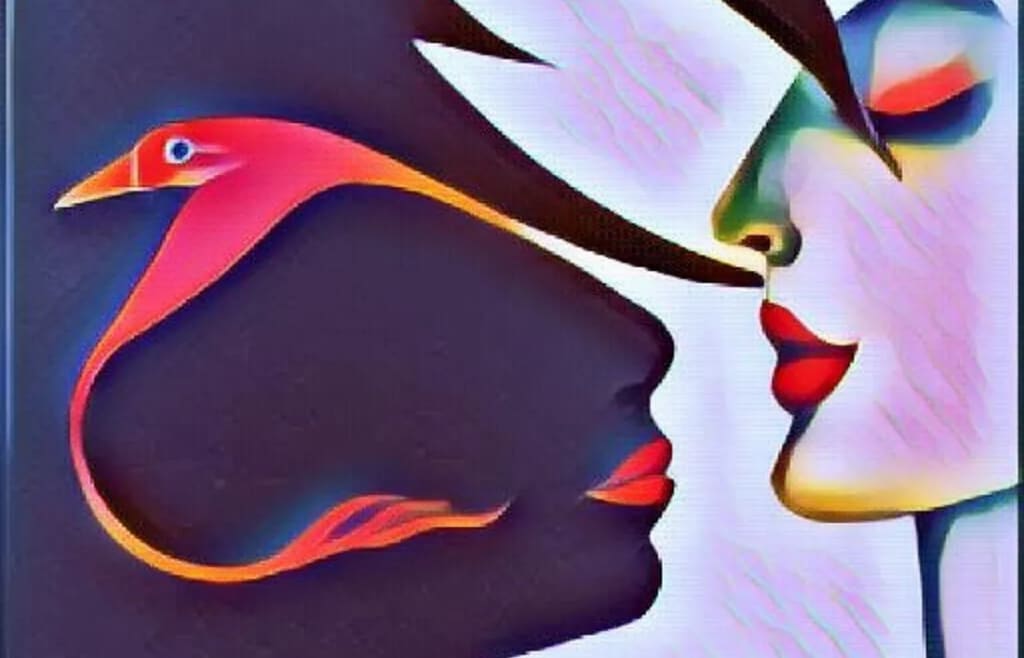
If you’re a follower of Spirit Alchemy (thank you!!) you know we love our archetypes!
These personifications speak so intuitively to me and others, and there’s an endless supply of research on the subject.
I’m partial to Swiss psychoanalyst Carl Jung’s definition:
The contents of the collective unconscious are archetypes. Primordial images that reflect basic patterns that are common to all of us, and which have existed univerally since the dawn of time. ~Carl Gustav Jung
I’ve had this piece in mind since Marilyn Flower's fabulous work on the Victim survival archetype. Check out that story here.
Immediately, my mind screamed SABOTEUR!
The Saboteur archetype is associated with survival and protection. It helps us to exercise caution and maintain awareness, enabling us to take action to prevent harm.
The Saboteur is responsible for our sense of intuition and gut feelings.
It constantly scans our environment for potential threats and warns us when it senses danger.
This can be very helpful when making decisions, as our intuition can often guide us toward the right choice.
It is this instinct that has allowed humans to survive throughout history and remain a vital part of our psyche.
The Saboteur is often associated with the root chakra and the color red.
As with all archetypes, the Saboteur comes with a shadow side. The Saboteur archetype’s shadow is the part of ourselves that undermines our own success and happiness.
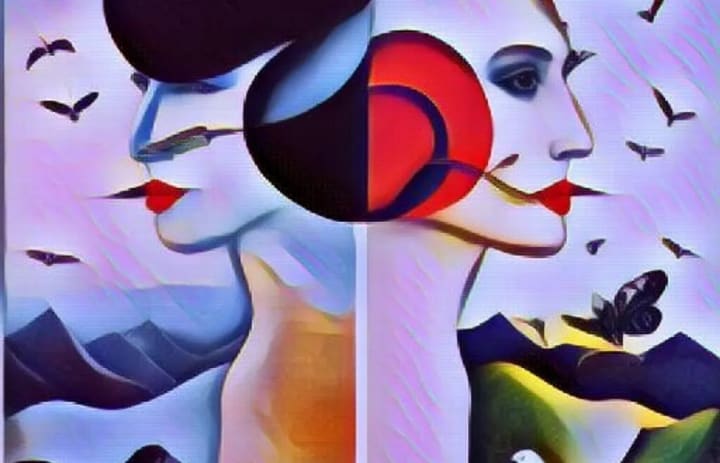
It is the voice in our head that tells us we’re not good enough, or that we don’t deserve to be happy. Here are some examples of how this shadow can manifest:
- Self-doubt and negative self-talk: The Saboteur archetype can lead to an inner voice that constantly criticizes and undermines us. This can create a pervasive sense of self-doubt and make it difficult to take risks or pursue goals.
- Perfectionism and fear of failure: The Saboteur can make it difficult to take action or make decisions, as we may be afraid of making mistakes or not living up to our own high standards.
- Procrastination and avoidance: This can be driven by fear or anxiety, and can ultimately prevent us from achieving our goals or living up to our full potential.
- Imposter syndrome: The Saboteur archetype can also contribute to imposter syndrome, which is the feeling that we are not good enough or do not belong in a particular situation. This can lead to a lack of confidence and a reluctance to speak up or take on new challenges.
- Self-sabotage and destructive behavior: In extreme cases, the shadow side of the Saboteur archetype can lead to self-sabotage and destructive behavior. This can include substance abuse, self-harm, or other behaviors that undermine our health and well-being.
I’ve struggled with addiction and disordered eating for most of my adult life. Hence, the instinctive call of this archetype’s shadow.
Addiction can take many forms, from substance abuse to gambling, food, or porn.
The common thread is that addiction provides a temporary escape from reality, allowing us to avoid discomfort or pain. This is a form of self-sabotage, as it prevents us from addressing the underlying issues that are causing our distress.
The Saboteur’s shadow is associated with addiction because both involve self-destructive patterns of behavior that interfere with personal growth, fulfillment, and spiritual development.
Both the Saboteur archetype's shadow and addiction are we unconsciously try to protect ourselves from perceived threats or fears.
These perceived threats that ravage the psyche range from rejection and social exclusion to mental health disorders such as anxiety or depression. The problem lies in the fact that these initially protective behaviors ultimately do more harm than good.
They prevent us from achieving our full potential and living fulfilling lives.
To overcome the Saboteur’s shadow, it is essential to cultivate self-awareness and self-compassion. By recognizing when the Saboteur is taking control and understanding its underlying motivations, we can start to make conscious choices that align with our values and goals.
The Saboteur archetype is a crucial part of our psyche that helps us to survive and thrive in challenging environments.
By integrating both sides of this archetype into our consciousness and recognizing its influence on our behavior and mindset, we can develop a greater connection, emotional intelligence, and personal growth.
© Kelley Murphy, 2023.
Thank you so much for reading! xo
About the Creator
Kelley Ann Murphy
Writer, Coach, Gen-X Woman exploring the second half!
Keep reading
More stories from Kelley Ann Murphy and writers in Confessions and other communities.
Why Didn't Anyone Tell Us
Men, move along. This is not for you. This is for the women. I was forty-five when I began menopause. It is pretty young for that to be going on in a woman’s life, but I had undiagnosed PCOS, my entire life. Thank you to all the gynecologists I had seen my entire life. That in itself should encourage women to keep seeking second opinions, especially when you are not getting correct answers or any at all.
By Alexandra Grant5 days ago in Humans


Comments
There are no comments for this story
Be the first to respond and start the conversation.