
Peer Support for Divorced Moms and Teen Girls
Explore the power of peer support in helping divorced moms and teen girls heal, connect, and grow stronger together after separation.

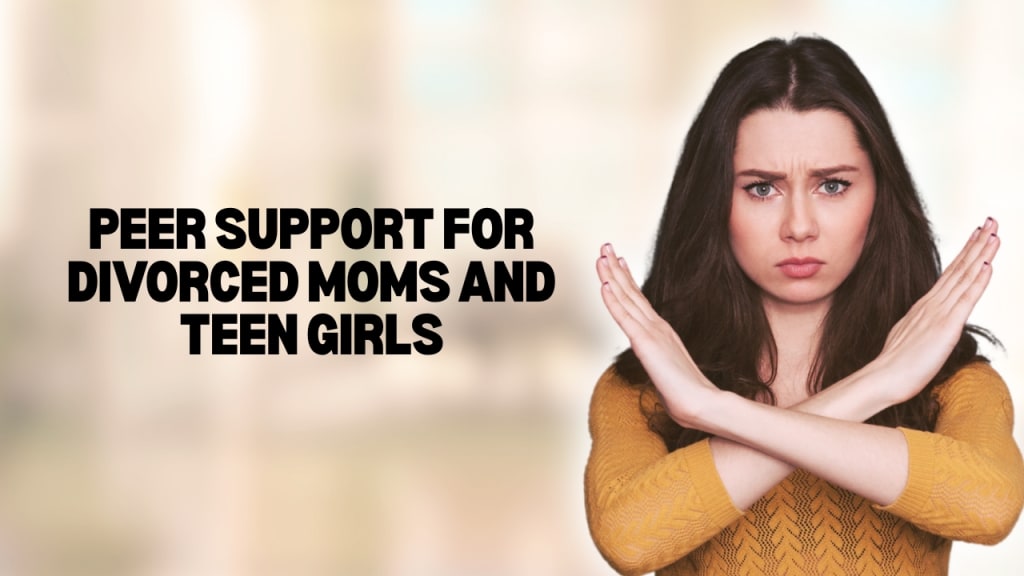
Divorce can feel like a quiet kind of loneliness, especially for mothers and their teenage daughters, both trying to cope with losses that change everything. For mothers, the marriage’s end can mean sudden solitude, bills that don’t add up, and the nagging belief that they didn’t hold it together. Daughters usually face a more internal storm: disappointment, sudden anger, and the painful sense that someone stepped out of the picture. While the feelings come from the same breakup, they land on different parts of daily life and can feel equally heavy. Finding circles of other moms and other teen girls lets both generations hear their own experience echoed back, so they know they aren’t the only ones carrying it.
Walking Through the Same Door, Taking Different Hallways
Moms and daughters live the same divorce, yet their internal maps differ. A mother’s thoughts are often on the rebuilding—finding a job, moving, re-establishing a sense of self—while a daughter rewrites her understanding of home and family. When the frame of reference is so different, both can feel puzzled and even frustrated with each other: a daughter may not have the words to comfort, a mother may not have energy to explain why the legal papers sting. Through peer circles, each can talk and listen among their own kind; mothers swap coping tips with other mothers, daughters tell stories to girls who just get the drama of a split. These separate talks allow each to carry their own piece of the pain without trying to share the heaviest parts, making room for both to breathe and, slowly, to heal.
The Hold of Community in Easing Shame and Loneliness
For many divorced moms and their teen daughters, it can feel as if the two of them are the only ones trying to keep it together. Divorce bears its ugly cultural weights, whispering to them both that somehow they have missed the mark as women, as families. When they step into peer support circles, whether in church basements, school counseling offices, or late-night group chats, the weight lifts—suddenly, their sadness has a normal measure. Hearing other moms and daughters name the same late-night worries, the same “what ifs” over bad Instagram photos, allows shame to loosen its grip. Under the glow of shared stories, both women feel the first stirrings of worth again, and the quieter promise that healing isn’t a solo climb, but a shared highway.
How Support Circles Hold Teen Girls
For teen girls, the months around a family break feel like a storm of anger, panic, sadness, and guilt that they can’t sort into the right parts of their hearts. Speaking it at the dinner table feels risky—what if the sobs undo the fragile calm they’ve promised their parents they’ll keep? In a peer group, walls dissolve. Their first “I hate that this is happening” is met with seven “me toos” and a put-down-your-guards honesty. The rush of other girls naming the same dreams that now feel shaky, the same late-night texts their other friends don’t quite get, snaps their private storm into shared weather. In that room, or that zoom, feeling weird is suddenly on hold, and the focus can turn to private jokes, song passes, and the quiet discovery that many hearts are walking the same hard road beside them.
These circles give adolescents coping skills rooted in lived experiences, not just parental dos and don’ts. Listening to other teens navigate awkward group dynamics, awkward weekends, or awkward visits with the other parent offers practical, digestible tips. That lived testimony feels familiar to them; it feels true. Little by little, the shared struggles on the screen or in the circle stack up to form a sturdy sense of self. Eventually, the confidence gained in peer groups travels home, nudging a hesitant daughter to name her hurt rather than tuck it between the couch cushions.
Why Divorced Moms Must Sit at the Same Table
Divorced mothers often wear the mask of the unshakeable rock, convinced the kids can only lean on them if the mask stays flawless. Yet the effort to keep that face bright, hour after hour, can drain reserves they didn’t know existed. Burnout, simmering resentment, and a nagging sense that they do not deserve to complain can bloom in that lonely silence. When these same moms find one another, the mask can quietly slip. In the presence of other women who have also helicoptered paperwork and cried at car-line pick-up, the talk can finally land on the actual terrain: money worries, surprise middle-school crushes, a heel of a husband who keeps losing the hamster. The room exhales, real shoulders settle, and, for a moment, the only role needed is friend.
Peer support goes beyond just sharing stories; it covers everything from co-parenting tips to budgeting, figuring out dating after divorce, and simple self-care. Hearing how others handled similar situations doesn’t just feel good; it teaches practical skills. Moms walk away from these conversations feeling like they can manage their lives again. The network reminds them there’s a self beyond “mother” or “ex-wife,” and when they reclaim that self, the whole family can breathe a little easier.
Healing the mother-daughter bond sometimes happens in parallel. When moms find their voice in a circle of other women and daughters find theirs in a separate group of friends, the household often feels calmer. Moms who have already cried, laughed, or fought through their own pain can meet a frustrated teenage daughter with curiosity instead of a “why can’t you just…” reply. Likewise, when girls hear that other teens get anxious grades, late-night worries, or the pressure to stay distant from a cranky parent, they feel less pressure to hide their feelings. That little bit of mutual understanding can turn a tense dinner into a slower conversation, one breath at a time.
When parallel support serves as a bridge, it allows both mom and daughter to step onto solid ground after the divorce storm. Each recognizes the other is traveling a private road, yet their paths intersect and encourage one another. Healing on their separate journeys then makes the relationship sturdier—new boundaries replace old confusion, honesty rises where there used to be secrets, and respect flourishes where anger once lived, all because the noise of the divorce has softened.
Digital support networks for divorced families have surged forward, bringing peer guidance to anyone with a device. Social media groups, specialized apps, and open forums are watchful twenty-four hours a day, ready to support mothers and their teens. For families in far-flung towns or for those who can't face the circle of a physical support room, these networks offer a warm, quiet space. For teenagers, the screen stands as a helpful shield; it allows them to speak their truths without the weight of familiar stares or whispered gossip.
These platforms also offer expert moderators, access to mental health resources, and events led by peers. Digital connection doesn’t replace in-person touch, but it offers timely, ongoing support when it’s needed most. Whether a mom is wrestling with a tough co-parenting decision or a teen is feeling the sting of school stress related to the divorce, these networks stay open. Used thoughtfully, online peer support can be a genuine lifeline.
Schools have a unique opportunity to lend a hand, too. Guided by counselors, peer-led discussion groups and circles give teens a sheltered spot to sort through their feelings. In those steady, supervised spaces, the secrecy that often surrounds divorce can evaporate, and connection can replace solitude. With professional guidance, the groups teach emotional vocabulary and coping skills that echo through formal classes and life outside school.
Parents speaking up is usually how new programs kick off. When a mom asks for more counselors, or takes time to chat with a guidance worker, she is laying down the first brick for lasting change. Teachers benefit, too. They see the slammed lockers, the sudden quiet, the unreachable phone during lunch, but many never get training on how to offer the right kind of comfort. A solid peer network inside the school can echo the good stuff that kids learn in therapy or at the community clinic, stitching a tighter, shared healing story.
One simple yet powerful fix is for moms and daughters to make the healing to-do list together. Instead of each walking a separate road, they sit down and trade notes on what help would really land the right way. Mom can ask what small gestures would ease the awkward moments, and daughter can say what support would feel less like a lecture and more like a lifeline. When that happens, respect grows and the old “I know better” script gets tossed. The daughter gets a voice without sounding like she’s firing blame, and mom gets to hear the younger one’s quiet fears without jumping to fix them.
Working together on a healing plan—whether that means scheduling therapy, joining a support group, or just committing to weekly check-ins—allows both mother and daughter to feel invested in the process. When they approach recovery as a team, they send a clear message that the journey after divorce is family business, never a solo fight. Bit by bit, that teamwork builds trust and keeps the door open for honest talk. As a result, both feel steadier on their own and the mother-daughter bond grows even tighter.
Final Thoughts
Peer support lights a path for divorced mothers and their teen daughters. It opens up space for healing and for saying, “I get it,” in ways that matter when the scars are fresh. Online groups, in-person circles, or school meet-ups let both feel a reassuring presence. With the right emotional support, they don’t just get through the breakup—they rise, side by side, a little bolder and a lot more connected.
About the Creator
Stella Johnson Love
✈️ Stella Johnson | Pilot
📍 Houston, TX
👩✈️ 3,500+ hours in the sky
🌎 Global traveler | Sky is my office
💪 Breaking barriers, one flight at a time
📸 Layovers & life at 35,000 ft
Keep reading
More stories from Stella Johnson Love and writers in Confessions and other communities.
Problem-Solving Strategies To Maintain Connection In Open Relationships
There must be transparency at the onset of open relationships. Lack of a common purpose may soon hurt the emotional security. Couples should be asked about the reasons they are embracing non-monogamy and their expectations of the benefits of non-monogamy. Others might want sexual experimentation, emotional growth, and others a greater feeling of independence. Having purpose defined minimizes assumptions and allows one partner not to feel like they were caught off guard. An excellent base will make the relationship a priority and not overtaken by external relationships or not clearly understanding what is expected.
By Stella Johnson Love14 days ago in Confessions
What’s Really Happening on Venus?
For decades, the planet Venus was considered one of the most hostile places in the solar system. Covered in thick clouds of sulfuric acid, with surface temperatures hot enough to melt lead and atmospheric pressure crushing enough to destroy most spacecraft, Venus seemed like a dead and unchanging world.
By Abubakar2206 days ago in Confessions
A Transparent Look at Vocal Challenges and Top Stories
Almost three years ago, we shared a resource article that served as a place for people to suggest new challenge prompts. We thought it would be a good idea to refresh that thread, and take the opportunity to answer a few common questions about top stories, how challenges are judged and how submissions are reviewed.
By Vocal Curation Team4 days ago in Resources


Comments
There are no comments for this story
Be the first to respond and start the conversation.