
North America in the Next Five Years: Navigating Change and Shaping the Future
How the U.S., Canada, and Mexico Are Adapting to Economic, Technological, Environmental, and Social Shifts
Introduction
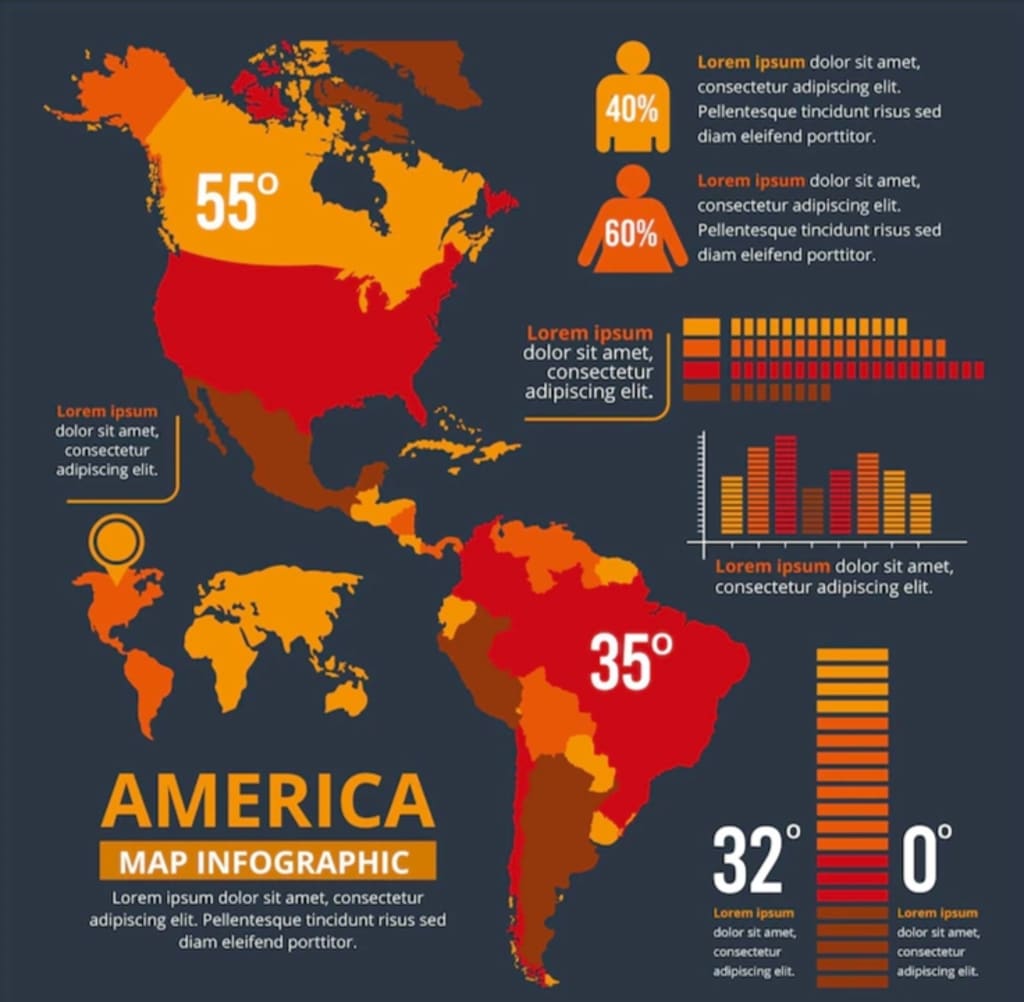
As the world rapidly evolves, North America stands at a critical juncture. Comprised of three major nations— the United States, Canada, and Mexico—this continent is poised for significant transformation over the next five years. Each country brings its own set of opportunities and challenges, but together they are part of a deeply interconnected region. From emerging technologies and shifting geopolitics to climate change and social movements, North America’s trajectory will have profound implications not only for its citizens but also for the global community.
---
Economic Outlook: Growth, Innovation, and Resilience
The economic future of North America is expected to be shaped by a blend of innovation, resilience, and strategic policy-making. The U.S. economy, the largest in the region, is focusing heavily on reshoring manufacturing, investing in clean energy, and transitioning toward digital services. Government incentives, such as those in the CHIPS and Science Act, aim to reduce reliance on foreign semiconductor supply chains while stimulating local production.
Canada is expected to deepen its investments in green technology and sustainable resource development, aligning with its climate commitments. With vast natural resources and a highly educated workforce, Canada is positioned to become a global leader in clean energy solutions, particularly in hydrogen, carbon capture, and battery technologies.
Mexico, meanwhile, is experiencing a manufacturing boom driven by nearshoring—an economic trend where companies move production closer to U.S. markets to reduce supply chain risks. The country’s proximity to the U.S., competitive labor costs, and trade agreements such as USMCA (United States–Mexico–Canada Agreement) are driving foreign investment. If Mexico can address infrastructure and security challenges, it stands to gain immensely from this trend.
---
Technology and Innovation: AI, Automation, and Connectivity
Technological advancement will be one of the most defining forces in North America’s near future. Artificial Intelligence (AI), automation, and 5G connectivity are rapidly reshaping the industrial landscape.
In the United States, Silicon Valley and other tech hubs are expected to continue pushing the boundaries of AI development, with impacts across healthcare, finance, logistics, and defense. Automation will enhance productivity but also require significant workforce retraining as certain job categories decline and others emerge.
Canada is establishing itself as a global center for AI research, particularly in Toronto and Montreal. Government and academic support for ethical AI and inclusive digital transformation positions Canada as a responsible leader in the tech ecosystem.
Mexico is also embracing digital transformation, especially in the fintech sector. With a young, tech-savvy population and increasing smartphone penetration, the country is seeing rapid growth in digital banking, e-commerce, and blockchain-based solutions.
---
Climate and Environment: Facing the Urgency of Action
Climate change remains a shared existential challenge across the continent. The next five years will be critical for implementing meaningful environmental action.
The U.S. has rejoined global climate efforts, committing to significant emissions reductions under the Biden administration’s plans. Investments in electric vehicles (EVs), renewable energy infrastructure, and climate resilience projects are expected to accelerate.
Canada, known for its environmental advocacy, has ambitious targets to reach net-zero emissions by 2050, with short-term goals being pursued aggressively. Its carbon pricing strategy and support for clean technologies set a precedent for other industrialized nations.
Mexico, though less advanced in climate policy, is beginning to adopt greener practices. Initiatives to reduce deforestation, improve urban sustainability, and invest in renewables such as solar and wind are gaining traction. However, continued political commitment will be crucial to meet these goals.
---
Geopolitics and Regional Cooperation
The geopolitical landscape of North America is evolving in response to global tensions, especially with China and Russia, and shifts in global supply chains. The USMCA is a cornerstone of regional economic stability and will serve as a framework for cooperation on trade, labor standards, and environmental policies.
Security collaboration, especially in cybersecurity and border control, will remain a top priority. The United States and Canada are strengthening NORAD (North American Aerospace Defense Command), while Mexico and the U.S. are working closely to combat drug trafficking and organized crime.
At the same time, political polarization and democratic resilience will test the internal unity of each nation. Elections, social movements, and public trust in institutions will be key factors in shaping the continent’s political climate.
---
Social Trends: Demographics, Diversity, and Inclusion
North America's population is undergoing significant demographic changes. Aging populations in the U.S. and Canada are leading to labor shortages, prompting more inclusive immigration policies. Mexico, with a younger population, faces the challenge of providing quality education and jobs to harness its demographic dividend.
Diversity and inclusion efforts are expanding across the continent. In all three countries, there is a growing emphasis on equity—whether in racial justice, Indigenous rights, or gender equality. The coming years will likely see continued activism and policy reforms aimed at reducing social disparities.
---
Conclusion: A Region Poised for Transformation
The next five years will be pivotal for North America. Economic resilience, technological innovation, environmental leadership, and social progress will determine the continent’s global standing and internal harmony. If the U.S., Canada, and Mexico can navigate these shifts with cooperation and foresight, they will emerge not only stronger but also as a model of regional adaptation in an increasingly complex world.
Would you like a visual infographic or summary timeline to accompany this article?
About the Creator
Keep reading
More stories from Shaida and writers in Confessions and other communities.
Behind Closed Doors: The Silent Struggle of Sexual Mental Health
In a world that often celebrates sexual expression yet stigmatizes honest conversations about it, sexual mental health remains one of the most neglected aspects of overall well-being. While we openly discuss anxiety, depression, and physical health, our sexual selves—how we feel, think, and experience sexuality emotionally—are often buried beneath layers of shame, taboo, and silence.
By Shaida 10 months ago in Confessions




Comments
There are no comments for this story
Be the first to respond and start the conversation.