
NFTs: Changing The Way We See and Own Digital Art
and Own Digital Art
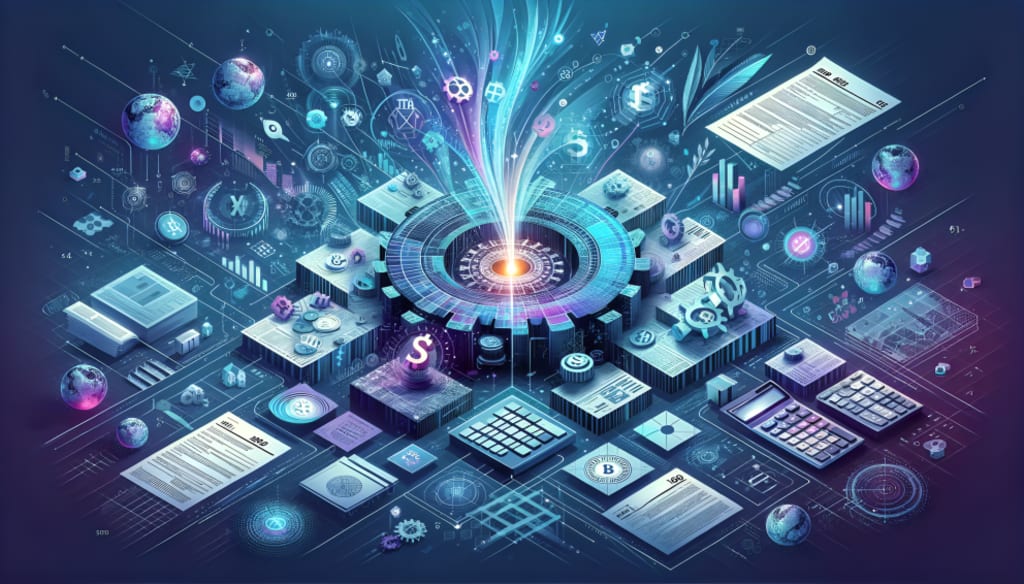
are seeing an evolutionary shift in the world of art, most notably through the emergence of NFTs (non-fungible tokens), which are one of the most disruptive trends yet. Blockchain technology is the backbone of these digital assets and has brought about a world of opportunities for both artists and collectors. But what exactly are NFTs, and why are they reshaping the future of digital art?
What Are NFTs?
NFTs stands for Non-Fungible Tokens, which is a kind of digital certificate that gives ownership to an asset that is singular, usually digital art, music, a video, or other creative works. NFTs, on the other hand, are unique digital assets that cannot be swapped like cryptocurrencies (such as Bitcoin) can. This uniqueness—found, for example, in no other painting or sculpture—is what makes them valuable in the art world.
It is important to understand that the NFT does not exist in isolation.
Blockchain technology allows for the very existence of NFTs. Blockchain Definition: A blockchain is a distributed digital ledger that records transactions in a secure and verifiable manner. In the case of NFTs, this translates to the fact that every digital piece has a distinct ownership record, which is confirmed and verifiable. Not only does this secure authenticity but it also helps to avoid forgery, a long-standing problem for the art industry.
A New Era for Digital Artists
NFTs have opened the door to a new revenue stream for digital artists. Until now, digital art was relatively easy to duplicate, and artists frequently faced difficulty in authenticating their work. NFTs, on the other hand, allow artists to sell their art as original pieces they can own and operate as limited editions.
One of the biggest advantages that NFTs afford artists is the ability to earn a percentage of sales every time their work is resold. This is possible through the use of smart contracts embedded in the NFT. These contracts guarantee that artists will receive money each time their work is bought or sold afterward in the secondary market.
The NFT Marketplace
The emergence of NFTs has created a flourishing marketplace. To provide you some background, there are currently marketplaces available where digital content creators can sell their work, and these include major platforms such as OpenSea, Rarible, and SuperRare. They offer easy access to a global audience, giving artists exposure to potential buyers worldwide.
In one of the biggest NFT sales ever, Beeple’s “Everydays: The First 5000 Days” fetched $69 million in 2021 at a Christie's auction. This landmark sale proved that digital art, authenticated by NFTs, can command prices on par with those for traditional masterworks.
Environmental impact and criticismEdit
As with any innovation, NFTs have brought opportunities along with some backlash, notably with regard to their environmental impact. The underlying blockchain technology used to mint NFTs, in particular Ethereum, still demands a considerable amount of computational power, which has raised alarm bells on whether this is taking too much energy. Ethereum, on the other hand, is moving toward a more energy-efficient alternative—Ethereum 2.0—and that could alleviate some of these challenges.
Moreover, the fluctuation in NFT prices has also caused concerns over the sustainability of the market in the long run. Other critics say that the NFT boom could be a speculative bubble, with prices driven by hype more than by the intrinsic value of the art itself.
What’s Next: The Future of NFTs and Digital Art
However, some taxation matters have greatly affected NFT aspects, as well as manipulation of such tokens. They provide tools for artists to share and monetise their work in new ways and for collectors to purchase distinctive digital assets. As technology grows, so will likely the cryptocurrency become a part of the art industry, mixing creative and high technology.
Eventually NFTs could become a common way for digital artists to become successful and well known. In addition, with the rising adoption of NFTs in virtual reality, gaming, and other industries, NFTs may become a significant component of a more decentralised and transparent art market.
About the Creator
Keep reading
More stories from Nandkishor kumar and writers in Confessions and other communities.
Healthy Life Secrets: Simple Health and Fitness Tips
eeping up with our work, responsibilities, and personal life, it can be hard to stay healthy. A sedentary lifestyle, eating junk food, and higher stress levels can adversely affect your physical and mental health. But the secret to having a healthy and fulfilling life is not achieved by complicated or expensive rituals; rather, it is simply about reinforcing small and simple practices in our daily lives. In this article, I am going to discuss the 10 super secrets that are paramount to a healthy life and can benefit your body, mind, and spirit in a good way. If you start doing these things regularly, you will gradually notice some health and mood improvements, more energy, more calmness in the mind, less anxiety, and overall more happiness. 1.What is a Balanced Diet and its Importance? The first and main secret of a healthy life is eating a balanced diet. What we eat also has direct consequences for our bodies and our minds. An adequate diet gives our body energy, those nutrients that we need to survive, to prevent disease, and to grow healthy. Eat a Variety of Foods—Eating a wider range of foods helps you receive vitamins and minerals that are required in the body. A well-balanced diet should consist of vegetables, fruits, whole grains, and protein foods. Sweetener to use in place of the original: When it comes to how to eat healthy, meals should ideally contain a balance of carbohydrates, proteins, and healthy fats. Proteins—A Key Player in Muscle Growth: Proteins are required for the repair and growth of muscles. They contain plenty of lean meat, fish, eggs, beans, nuts, and seeds. Protein aids in building and repairing tissues and is vital for the proper functioning of the body’s immune system. Incorporate Healthy Fats: Not all fats are bad. These include healthy fats (from avocado, nuts, seeds, and olive oil) that can help protect against heart disease and improve brain function. They are also vital for hormone balance. Say No to Processed Foods: While processed foods and sugary snacks may give momentary joy, they are a major contributor to health issues such as obesity, diabetes, and heart disease. The overeating of junk food outlets, fast food, and sodas should be limited. A well-rounded diet, woven into the fabric of your daily life, is the bedrock of good health; it brings the right building blocks to your body so it has what it needs to function and feel good inside out. Get Moving If you're not already moving, that is. 2.Physical activity is one of the main components of a healthy lifestyle. Exercise is very significant for your health; it is a major health booster that improves cardiovascular function, maintains a healthy weight, and keeps mental clarity. Exercise Every Day: 30 minutes to an hour of physical activity. Whether walking, jogging, cycling or swimming, the more active you are, the more likely you are to benefit from a favourable health outcome. Get Stronger: Whether you build your muscles through resistance training two to three times a week — this will help build muscle, rev up metabolism and protect bone — means you get to do the lifting. Body weight exercises including squats, push-ups and lunges, and weight training will build strength. Flexibility and Balance:flexibility stretches:Stretching & balance exercise(such as yoga, pilates) for better flexibility, injury prevention, & relieving mental stress. For instance, yoga can enhance posture and reduce back pain resulting from long periods of sitting. Fun Ways to Get Physical: Exercise doesn’t have to be a grind. ◼️ Exercise is more sustainable when it is something that you love—dancing, hiking, or playing a sport. The more it is enjoyable, the more you are likely to stick with it. Exercise helps with blood circulation, digestion, provides energy, and improves emotional health, all of which are essential for a healthy lifestyle. Adequate sleep, in addition to diet and exercise, is essential for the body to function properly. Good sleep is vital for mental sharpness, emotional stability, and physical health. After all, it’s during sleep that your body repairs itself, replenishes, and, yes, reenergises. Get 7-9 Hours of Sleep: Most adults need 7-9 hours of sleep per night. Lack of sleep has been tied to a wide range of health issues, from obesity and diabetes to depression. Sleep deprivation reduces cognitive function and attention, and detracts from focus. Establish a Sleep Schedule: Trying to go to bed and wake up at the same time each day helps set your body’s internal clock, which improves sleep and makes it easier to wake up feeling well rested. Limit Screens Before Bed: The blue light that e-readers, smartphones, computers, and TVs emit can prevent sleep by interfering with the production of melatonin, the hormone responsible for regulating sleep cycles. Diminish screen use at least one hour before sleep. Make a Soothing Sleep Environment. Creating a tranquil sleep environment is vital to a peaceful night's sleep. Keep your bedroom cool, dark, and quiet. Buying a good mattress and pillows can also do wonders. Importantly, sleep is essential for optimal health, cognitive function, the immune system, and our ability to handle stress so that we can get out there and thrive! 4.The Lost Key to Health: Hydration Water: Often overlooked, water is crucial for the body to function correctly. Water facilitates digestion, maintains body temperature, and releases toxins from the body. Drink enough H2O: A general suggestion is about 8-10 glasses (2-3 litres) of water per day. Drinking enough water helps improve digestion, skin well-being, and overall body functions. Hydration following physical exertion: After taking part in sports or a workout, it is vital to replace the bodily fluids missing from sweat. Liquid (water or coconut water) restores electrolytes and minimises dehydration. Stay Hydrated with Healthy Drinks: Hydration does not have to equal just water. Also good options are herbal teas or homemade juices. Avoid sugary soft drinks or energy drinks that can cause dehydration and lead to obesity. Staying hydrated plays a key role in being healthy, aiding digestion, improving skin smoothness, and making sure your body works as it should.Stress management is an essential element for 5.psychological as well as physical well-being. Chronic stress can be a precursor to a myriad of health problems, including high blood pressure, heart disease, and mental health conditions such as anxiety and depression. Engage in Meditation: Meditation is one of the most effective stress management tools that quiets the mind and focuses you on emotional stability. Meditate for each day; 5–10 minutes goes a good distance to calm your anxiety and improve mental clarity. Practicing Yoga for Stress Relief: Yoga combines physical poses, deep breathing, and mindfulness, so it can be really effective for stress relief. Yoga practiced regularly can lower cortisol (the stress hormone) levels and promote relaxation. Mindfulness and Deep Breathing: Being mindful and practicing deep breathing will help decrease overload thinking and enhance mental clarity. Deep breathing exercises to cope with anxiety and stress management. Do Things That Bring You Joy: Hobbies such as painting, reading, gardening, or even music can all be great stress relievers and creativity boosters! Engaging in activities you love improves happiness and helps relieve everyday pressures. Stress reduction techniques such as meditation, yoga, and deep breathing are great ways to support mental well-being, and deal with anxiety and improving the overall life quality. Commit to not engaging in any uncontrolled behaviour. Addictions like smoking, excessive drinking, or drug abuse destroy the body and jeopardise your attempts to take care of your health. SAY NO TO SMOKING: It is one of the main contributors to respiratory, cardiovascular, and cancer diseases. The health benefits of quitting smoking are enormous because you will regain lung function and higher energy. Managing Alcohol Intake: Excessive intake of alcohol may affect the secretion of bile and damage the membranes of your liver; this is one of the most important foods or substances you should avoid as much as possible. If you consume alcohol, do so in moderation. Get help for addiction—In many cases, overcoming addiction will need professional assistance. Addiction can be defeated and health restored with proper care and support. Avoiding harmful habits such as smoking and excessive drinking is a vital part of maintaining both physical and mental health. 7.Routine health check-ups are important to detect potential health problems early on so that treatment may be started in time. MAINTAIN REGULAR CHECKUPS: Consult with a nurse at your doctor’s office every year to check your fat content, blood pressure, cholesterol levels, as well as any other important health aspects. Detecting possible problems earlier can allow for more effective treatment. Cancer Screenings and Vaccinations: Depending on your age and health history, regular cancer screenings (mammogram, colonoscopy, etc.) and vaccinations can help you avoid serious health issues. Manage Your Weight and Body Fat: Keeping track of your weight along with your body fat percentage can help you reach a healthy weight and prevent diabetes, cardiovascular disease, and the chances of hypertension. First of all, regular health check-ups aid in early diagnosis, thus making it possible to treat health concerns before they become serious. Self-Care Hygiene 8.Ensuring personal hygiene is key to keeping infections at bay and overall health in check. Requires another look because cleanliness prevents diseases and overall good health. Shower every day. Oral hygiene ● A daily shower and oral hygiene help prevent skin infections, bad breath, and gum disease. Frequent Hand Washing: Preventing the spread of germs and infections—regular and proper hand washing is one of the best ways to kill germs. Clean EnvironmentEnticing health conventionally includes a clean and relaxing environment. Practicing good hygiene is one of the easiest ways to protect your health. 9.A Structured Routine for a Balanced Life So a well-organised schedule will help you spend time wisely, with the right balance being essential so that it is not too stressful for you and you can be productive. 5. Morning Routine: Wake up early in the morning and do some stretching, meditation, or drink some lemon water. These did a lot to put a positive spin on the day. Organise Your Tasks: Make a priority list and schedule time to work, relax, be with family, and exercise! This makes it harder to procrastinate and easier to concentrate. Take Breaks: Scheduling small breaks during the day keeps you focused and efficient. Grab some time to stand, stretch, or get a healthy snack. 10.Why Are Social Connections So Important?
By Nandkishor kumar12 months ago in Confessions
The Last Day of the Year
My New Year Countdown Clock indicates that I have just over five hours left before this year is over. I am stuck in the suburbs with my mother and stepfather, contemplating what I am going to eat and drink to celebrate this great change in our lives. The weather is cold, but I do not feel as though it has really affected my attitude about what the new year will bring...but I am not as happy with this moment as I usually feel.
By Kendall Defoe 16 days ago in Confessions


Comments (1)
NTFs are awesome! Great work!