
My Quiet Realization About Cash, History, and the Changing World Around Us
A personal confession about why physical money and the stories behind it still matter more than we realize.

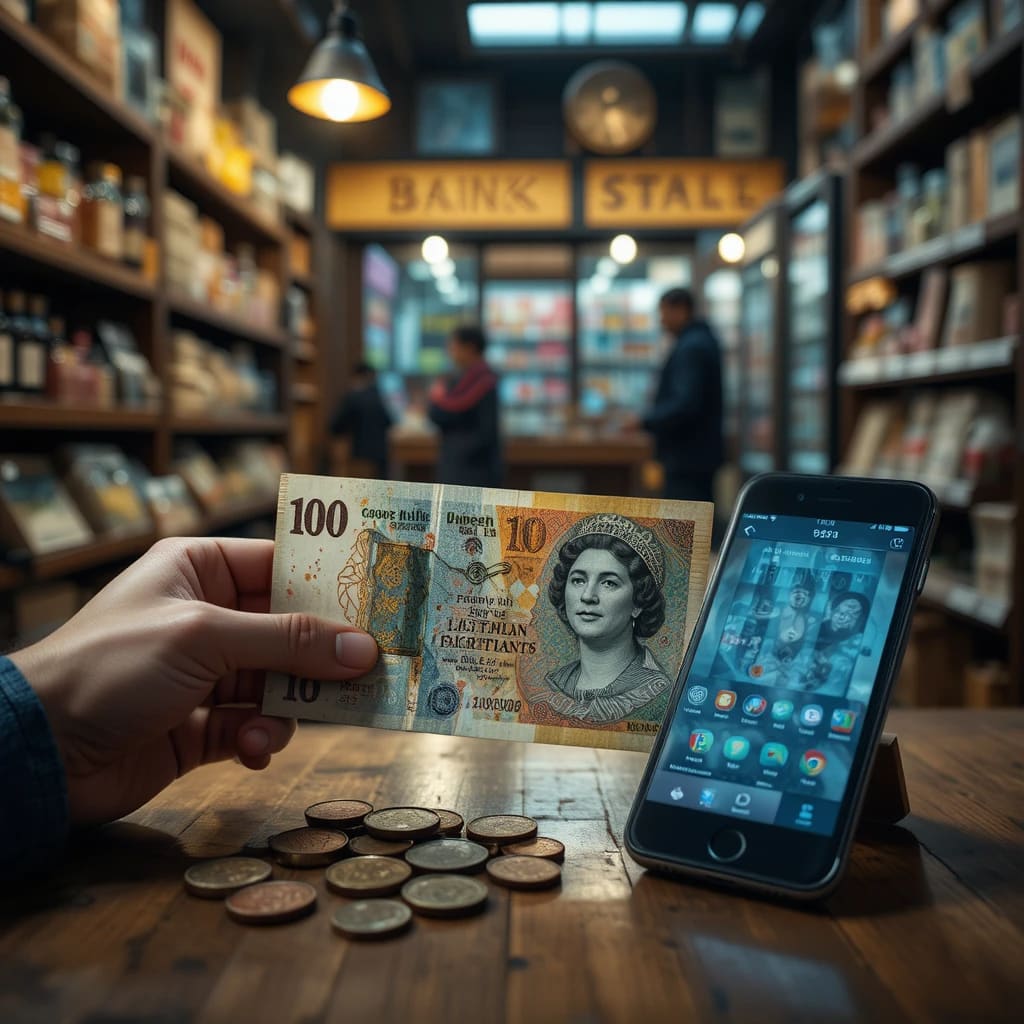
A few weeks ago, I noticed something small that made me stop and think.
I was standing in a shop watching people pay for their groceries. Almost everyone used a phone or a contactless card. The process took only seconds. A quick tap, a short beep, and the payment was done.
No coins.
No notes.
No second thoughts.
In that moment I realized something about myself: I still prefer using cash.
It might sound old-fashioned, but using physical money has always helped me understand how much I’m actually spending. When you hold a note in your hand, the value feels real. You can see it leave your wallet.
With digital payments, the experience feels different.
Sometimes it’s so easy that you barely notice the transaction happening.
Growing up, my grandparents taught me simple rules about money. They often repeated a phrase that stayed with me for years: never spend more than you earn.
They believed that managing money was not only about income but also about awareness. You should know what you’re spending and why.
My grandfather had another piece of advice that I still remember.
He used to say that paying your essential bills first brings peace of mind. As long as your responsibilities are covered, you can live simply and still feel secure.
Those lessons shaped how I think about money today.
But recently, conversations about a “cashless future” have been appearing everywhere. Governments, banks, and technology companies are encouraging people to rely more on digital payments.
Many people welcome the convenience.
Others feel uncertain about what might be lost along the way.
While thinking about this topic, another story caught my attention.
There were discussions about changes to British banknotes and the historical figures that appear on them. For decades, these notes have featured individuals who shaped history, including Winston Churchill, whose leadership during the World War II made him one of the most recognizable figures in modern British history.
Seeing those faces on currency has always been more than decoration.
For many people, it acts as a quiet reminder of the past.
I still remember the first time I saw a large banknote as a child. A teacher brought one to class and explained the historical figure printed on it. Suddenly money became more than just something used to buy things.
It became a small window into history.
That memory stayed with me.
It made me realize that everyday objects sometimes carry deeper meaning than we notice.
Today, however, the world is moving quickly toward digital systems. Payments happen instantly, often without any physical exchange at all.
For younger generations who grew up with smartphones, this feels completely normal.
Yet part of me wonders what might disappear if physical money eventually fades away.
Cash has always had a strange ability to connect everyday life with history. The designs, symbols, and figures printed on notes tell quiet stories about a nation’s identity.
They celebrate achievements, cultural icons, and important moments from the past.
When those designs change, the conversation often becomes emotional.
Some people see it as progress and modernization.
Others feel it risks weakening a connection to historical memory.
Neither perspective is necessarily wrong.
It simply shows how deeply symbols can influence how people think about their heritage.
While reflecting on these discussions, I realized my preference for cash is not only about budgeting.
It’s also about the small rituals that come with it.
Counting change.
Looking at the details printed on a note.
Remembering the historical figures represented there.
Those experiences create a connection between everyday life and something larger than ourselves.
Technology will certainly continue to transform how money works.
Digital systems will likely become even faster, safer, and more convenient. For many people, that future already feels natural.
But perhaps there is still room for both worlds.
A world where innovation continues while history is remembered.
A world where technology moves forward without forgetting the symbols that shaped our collective identity.
That realization surprised me.
What started as a simple observation in a grocery store turned into a deeper reflection about memory, heritage, and the quiet role that ordinary objects play in our lives.
Sometimes the smallest changes reveal the biggest questions.
And sometimes a simple banknote can carry more meaning than we ever expected.
About the Creator
CelebCast Central
CelebCast Central brings you explosive celebrity scandals, royal drama, Hollywood gossip, and viral stories — unfiltered and uncensored. Follow us for bold takes and trending tales the world is buzzing about!
Keep reading
More stories from CelebCast Central and writers in Confessions and other communities.
The Fashion Interview That Revealed More Than Anyone Expected
I didn’t expect a simple interview about fashion to make me think so deeply about leadership and pressure. But sometimes the most revealing moments happen in situations that seem ordinary at first.
By CelebCast Centralabout 22 hours ago in Confessions
Open Relationships Require Clear Rules Communication And Emotional Honesty Consistently
An example of consensual relationship is open relationships where the partners are willing to have romantic or physical relationship with other people. In contrast to the conventional monogamous relationships, open relationships are based on a high level of understanding and clear expectations. The partners also need to conform on how the relationship is to be organized and observe the boundaries of the other partner. Open relationships when done well can enable one to experiment with new relationships without abandoning the main one.
By Robert Smith5 days ago in Confessions



Comments
There are no comments for this story
Be the first to respond and start the conversation.