
Lost in Likes: How Social Media Is Stealing Our Real Life
An honest reflection on how today's youth are trading their reality for digital approval.

✦ Introduction
There was a time when friendship bloomed at street corners, shared over cups of tea and laughter. Today, those same friendships are trapped in Instagram stories and TikTok reels.
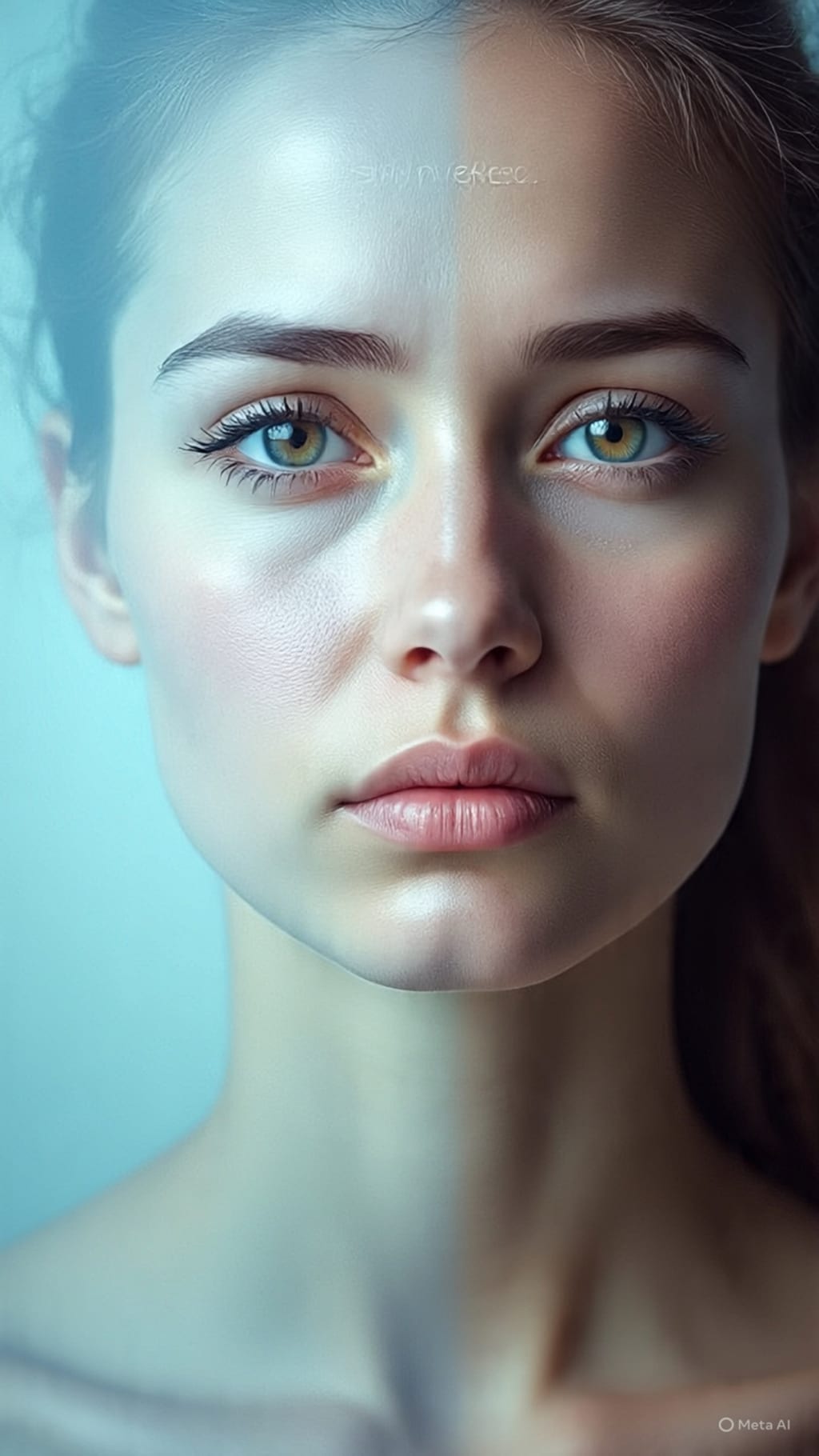
We live in an age where the identity of the modern youth is increasingly defined not by values, depth, or real-life interactions — but by filters, followers, and fleeting likes. Social media, once a platform for connection, is now quietly draining the essence of real life from an entire generation.
This article explores the psychological, social, and emotional impact of social media on today’s youth. It also reflects on how we can rediscover ourselves in a world obsessed with digital validation.
✦ Social Media: A Tool or a Trap?
Social media began as a revolutionary tool — a space for connection, creativity, and free expression. Platforms like Facebook, Instagram, Snapchat, and TikTok promised to bridge distances and bring people closer.
But today, the same platforms are being used excessively, especially by youth, leading to:
Constant self-comparison
Unrealistic beauty standards
Anxiety over social validation
Lack of focus and disrupted sleep
Declining face-to-face communication skills
What was once a gift has slowly become a burden. Young people now often feel obligated to maintain a digital presence, fearing irrelevance if they don’t.
✦ Slaves to Followers
For many, the number of likes and followers is not just a statistic — it's a measure of self-worth.
“If my post doesn’t get likes, maybe I’m not good enough.”
This mindset leads to what psychologists call “Social Comparison Syndrome.” It’s a mental state where a person constantly compares themselves to others online, leading to feelings of inadequacy, low self-esteem, and even depression.
Teenagers and young adults begin crafting online personas that are far removed from their reality — just to fit in or stand out.
✦ The Disappearing Authentic Self
On social media, everyone looks happy, beautiful, and successful. But the truth behind the screens tells a very different story.
The smiling face might be hiding emotional pain
The perfect vacation may be financed by debt
The flawless selfies are edited, filtered, staged
This false perfection creates pressure. Young people feel they need to perform happiness instead of living it. As a result, they suppress their true feelings, doubts, and imperfections — the very things that make us human.
✦ The New Face of Loneliness
Ironically, despite being hyper-connected, today’s youth feel more alone than ever.
Why?
Because digital connection lacks emotional depth.
A "heart" on a story is not a real conversation.
A “react” is not genuine empathy.
Studies show a strong link between heavy social media use and mental health issues like:
Depression
Anxiety
Sleep disorders
Social withdrawal
In trying to connect with everyone, young people often end up connecting with no one deeply — not even themselves.
✦ In Search of the Real Self
Renowned philosopher Allama Iqbal once said: “Khudi ko kar buland itna ke har taqdeer se pehle, Khuda bande se khud pooche, bata teri raza kya hai.”
("Elevate your selfhood so high that even destiny must ask your permission before unfolding.")
But today, the youth are not searching for their “khudi” (selfhood). They’re searching for acceptance — in algorithms, in viral sounds, in curated personas.
They measure their worth through:
Viral trends
Engagement stats
Social validation
Yet the soul quietly asks: "Who am I without all this?"
✦ The Way Forward: Digital Balance, Not Digital Rejection
We don't need to reject social media completely. Instead, we need to use it mindfully, with balance.
Here’s how youth can reclaim their lives:
Digital Detox:
Take breaks from social media — a few hours or even a whole day every week.
Real Conversations:
Meet friends, talk to family, have face-to-face interactions.
Read and Reflect:
Books offer depth and help develop independent thought.
Create, Don’t Just Consume:
Use your time to write, draw, learn a skill — something that expresses you, not a trend.
Be Vulnerable:
It’s okay to not be okay. Don’t be afraid to show your real side.
✦ Final Thoughts
Social media is not the villain — our overdependence on it is.
Youth today have immense potential. But their energy is being diverted into maintaining digital identities instead of building real-life strength, purpose, and passion.
“Even if you have no followers, if you truly know who you are — you’re already enough.”
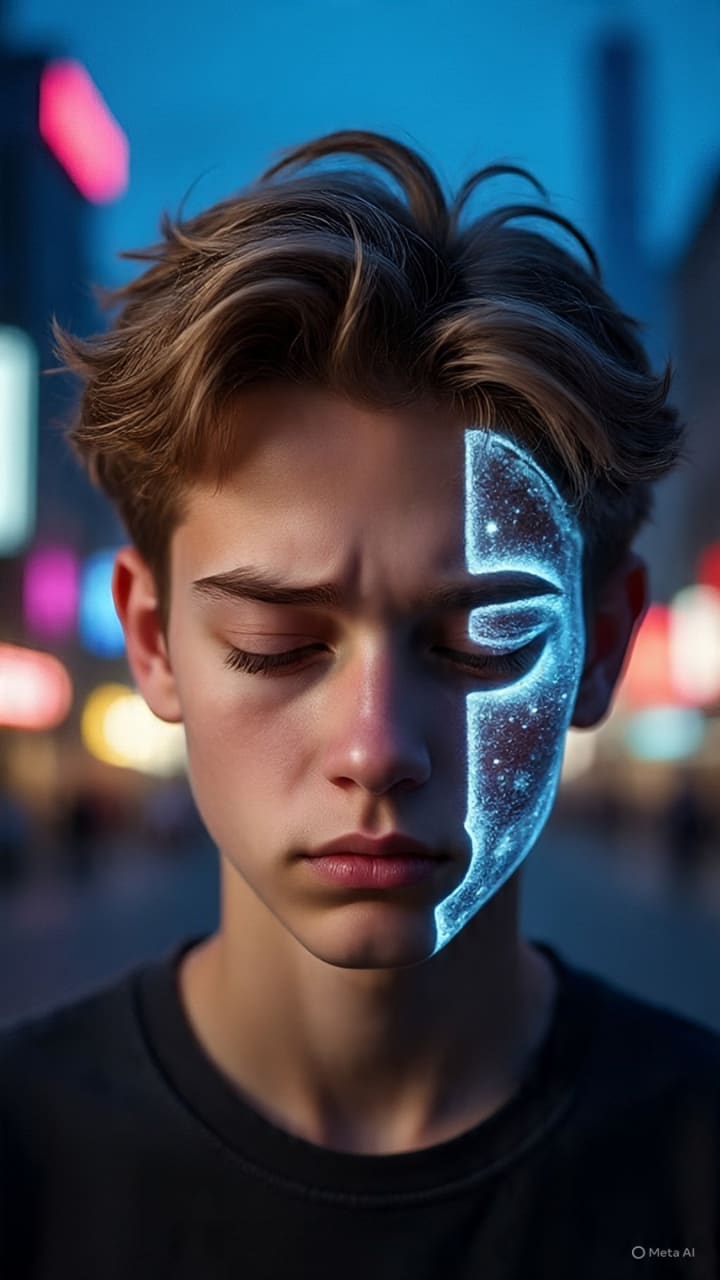
It’s time to reconnect with reality, embrace authenticity, and stop measuring life in likes.
About the Creator
Riaz khan
Your one-stop destination for powerful visuals, meaningful content, and next-level storytelling. From cinematic videos to social media content that actually connects, we turn vision into reality. Ready to stand out?
Keep reading
More stories from Riaz khan and writers in Confessions and other communities.
"Footsteps of Hope: A Journey from Poverty to Purpose
In the narrow alleys of Karachi, amidst the crowd and chaos, lived a boy named Saim. His home was a small shack nestled in a laborers’ colony. His father worked as a construction worker, earning daily wages, while his mother did housework for nearby homes. Their life was defined by poverty—sometimes there was no electricity, sometimes no food. Yet, amidst the darkness, Saim’s eyes sparkled with dreams.
By Riaz khan8 months ago in Motivation
The Day a Politician Tried to Remove the Queen From British Stamps
orking in live news can be one of the most unusual experiences a person can have. In those fast-moving studios, you often meet people you never imagined sharing a room with. Politicians, musicians, famous authors, and sometimes even former prime ministers all pass through the same quiet waiting areas before stepping in front of the cameras.
By Norul Rahman6 days ago in Confessions
Hottest in the Office
Dear Rafi, You’re very distracting to work around. For the first second I saw you the other day, I thought you were some type of executive. It took a moment to realize no, you were just the new guy, dressed up for the job he wants. Be still, my heart.
By Gabriel Shames6 days ago in Pride



Comments
There are no comments for this story
Be the first to respond and start the conversation.