
I Was Strong Until I Wasn’t
Burnout doesn’t ask permission.

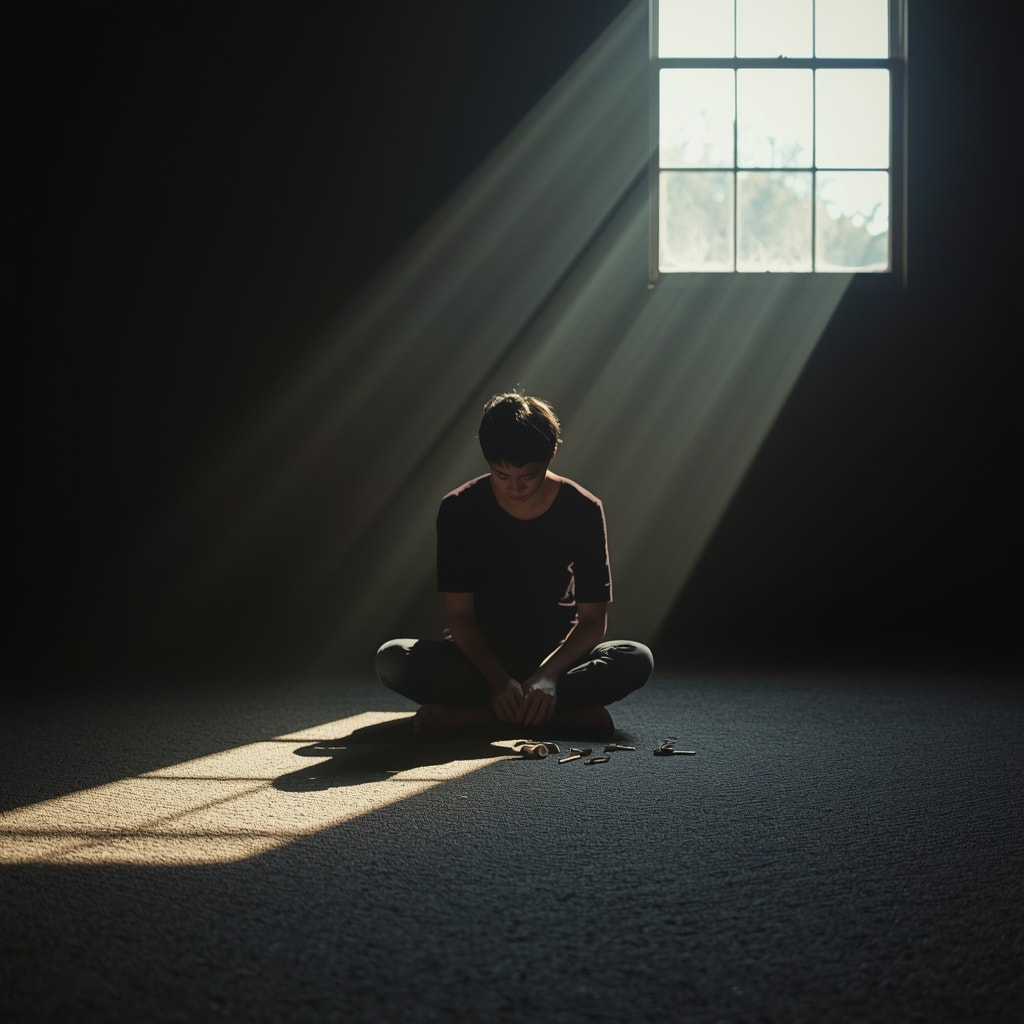
People called me strong long before I ever chose to be.
Strong meant dependable. It meant I didn’t complain. It meant I carried things quietly so others wouldn’t have to notice.
At first, it felt like a compliment.
Over time, it felt like a responsibility I never agreed to.
I became the person who always handled things. Work problems. Family stress. Emotional weight that didn’t belong to me. I learned how to smile through exhaustion and answer “I’m fine” without thinking.
The lie became automatic.
Nothing broke suddenly. That’s the dangerous part. Burnout doesn’t arrive screaming. It arrives whispering, slowly removing pieces of you until one day you look around and feel unfamiliar to yourself.
I stopped sleeping deeply. Stopped enjoying conversations. Even laughter felt like something I borrowed, not owned.
When people talked, I listened without absorbing. When they laughed, I smiled without warmth. Life kept moving, but I felt like I was watching it through glass.
I told myself it was normal. That everyone felt this way sometimes. That rest would fix it.
Rest never came.
Instead, guilt did.
Guilt for being tired when others were struggling more. Guilt for wanting space. Guilt for feeling ungrateful when I had so much to be thankful for.
Strength turned into a cage I built myself.
The moment I knew something was wrong was painfully ordinary. I dropped my keys on the floor after a long day. Nothing dramatic. No disaster.
I just stood there, staring at them, unable to bend down.
My chest felt tight. My hands trembled. Not from fear. From emptiness.
I didn’t cry. I didn’t panic.
I just felt finished.
That night, alone in the quiet, I said something out loud for the first time.
“I can’t do this alone anymore.”
The words felt heavy, but honest.
Healing didn’t arrive as relief. It arrived awkwardly. Through uncomfortable conversations. Through learning to rest without earning it. Through saying no and resisting the urge to explain myself.
I learned that silence could be restorative, not just isolating. That boundaries weren’t selfish, but necessary. That asking for help didn’t erase strength—it redefined it.
At first, it felt unnatural. Resting without guilt was like wearing clothes that didn’t fit. Saying “no” felt like betrayal. But slowly, I began to notice small victories. The way my body softened when I allowed myself to pause. The way my mind cleared when I stopped apologizing for needing space. The way my heart felt lighter when I admitted that I couldn’t carry everything alone.
I started to see strength differently. Not as a wall, but as a bridge. Not as silence, but as honesty. Not as endurance, but as balance.
Some days, I still feel the old habits pulling me back. Still feel the pressure to be the strong one. Still hear the echo of people’s expectations in my head.
But I’m learning something important.
Strength isn’t carrying everything.
Strength is knowing when to put things down.
It’s admitting that exhaustion is not a badge of honor. It’s recognizing that resilience without rest is just survival, not living.
I used to believe that being strong meant being unshakable, unbreakable, untouchable. Now I see that strength is softer. It bends. It pauses. It breathes.
Strength is not about perfection—it’s about humanity. It’s not about how much you can endure, but how much you can release.
If you’re tired in a way sleep doesn’t fix, you’re not weak. You’re not broken.
You’re human.
And that is more than enough.
Because houses remember names, and bodies remember burdens. And sometimes, the bravest thing you can do is stop carrying what was never yours to hold.
About the Creator
Salman Writes
Writer of thoughts that make you think, feel, and smile. I share honest stories, social truths, and simple words with deep meaning. Welcome to the world of Salman Writes — where ideas come to life.
Keep reading
More stories from Salman Writes and writers in Confessions and other communities.
The Last Receipt in My Wallet
I didn’t mean to keep the receipt. It was supposed to be trash, like all the others. A thin strip of paper from a corner grocery store, printed so lightly the ink was already fading. Milk. Bread. Two apples. Total: $4.83. The date sat quietly at the top, like it wasn’t important. But somehow, it ended up folded into my wallet, tucked behind my ID, where it stayed long after the milk went sour and the apples disappeared.
By Salman Writes2 months ago in Confessions
Co Living Impact On Dating And Relationship Dynamics Explained Clearly
Co-living is a term used in reference to shared co-living where several people live, usually in urban areas. This arrangement concentrates on community, mutual responsibilities and socialization. Young professionals, students, or digital nomads can be attracted to co-living as it offers them cheap housing and connectivity opportunities. Although co-living helps to create social interactions, there are also issues relating to dating and relationships since there is no privacy and personal space. To be able to live successfully and sustain healthy relationships, it is necessary to understand the dynamics of shared space and how to orient to social interaction. Consciousness of the communal norms and expectations will aid the partners to adjust and cope with the impact of co-living on their dating life.
By Robert Smith7 days ago in Confessions


Comments
There are no comments for this story
Be the first to respond and start the conversation.