
I Chose Peace
The quiet decision that changed everything

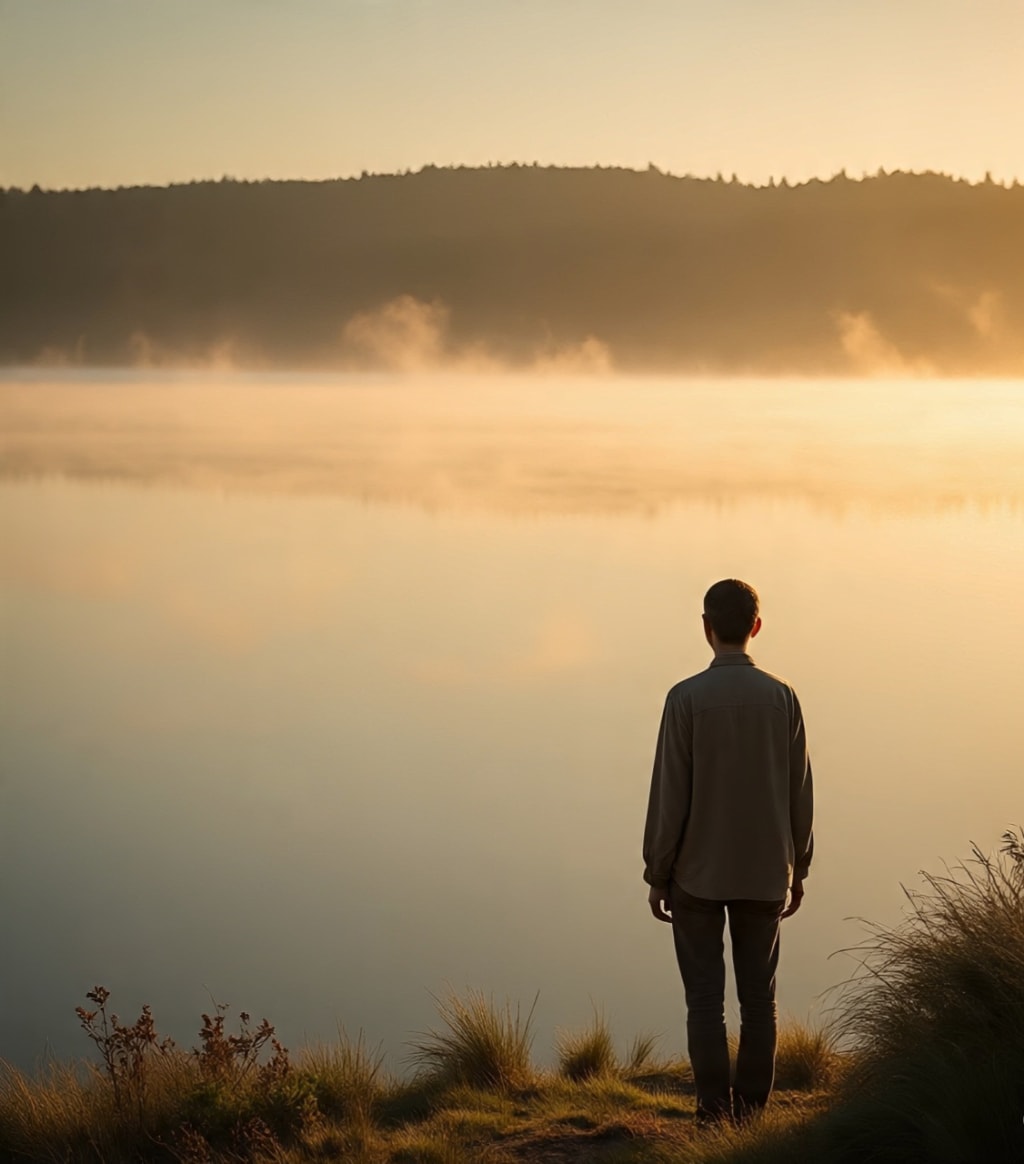
I used to believe peace was something you reached after everything else was settled—after the apologies, after the explanations, after the world finally understood you. I thought it was a reward at the end of endurance. I was wrong.
Peace is not a finish line.
It is a choice.
And it costs more than chaos ever did.
For a long time, my life was loud. Not with music or laughter, but with unfinished conversations, imagined arguments, and the constant replay of moments I wished had gone differently. My mind was a courtroom that never adjourned. Every night, I argued my innocence to people who were not listening. Every morning, I woke up already tired.
I called it caring. I called it loyalty. I even called it love.
But it was unrest wearing familiar clothes.
There were people I kept close who thrived on storms. Conversations with them never ended; they only paused. Silence was interpreted as guilt. Boundaries were taken as betrayal. I shrank myself to keep the peace, not realizing I was losing it.
The world praises endurance. It tells us that strong people stay, explain, fight, and fix. Walking away is framed as weakness. Letting go is mistaken for failure. So I stayed longer than I should have—in places, in relationships, in versions of myself that no longer fit.
Until one day, something quiet happened.
Nothing dramatic. No final argument. No slammed doors. Just a moment where my body felt heavy, and my soul felt done. I realized I was no longer afraid of being misunderstood. I was exhausted from trying to be understood by people committed to misunderstanding me.
That was the moment.
I chose peace.
Not the kind that comes with victory speeches or public approval—but the kind that arrives softly, like turning off a noisy machine you didn’t realize had been running for years.
Choosing peace meant not responding to every provocation.
It meant leaving some messages unread.
It meant accepting that closure is not always mutual—and doesn’t have to be.
Peace required me to grieve versions of the future I had imagined. It asked me to release the hope that certain people would suddenly change if I just found the right words. It demanded honesty: not everyone who walks with you is meant to walk with you forever.
And that hurt.
But here’s what surprised me: peace did not empty my life. It made room.
Room for mornings without dread.
Room for laughter that didn’t feel borrowed.
Room for sleep that was not interrupted by regret.
I learned that not every battle deserves your energy. Some wars only exist because you keep showing up to fight them. When you leave, they collapse under their own weight.
Choosing peace didn’t make me passive. It made me precise. I became careful with my time, selective with my trust, gentle with my expectations. I stopped explaining myself to people who were never trying to understand.
The world didn’t applaud.
Some people were confused.
A few were offended.
That’s the price of peace no one talks about: when you stop being available for chaos, those who benefited from your turmoil will call you selfish. Let them. Peace doesn’t need witnesses.
Now my life is quieter. Not empty—intentional.
I still feel things deeply. I still care. But I no longer confuse intensity with intimacy or suffering with significance. I have learned that love does not require constant pain to prove its existence.
Sometimes peace looks like walking away.
Sometimes it looks like staying silent.
Sometimes it looks like choosing yourself without asking permission.
I didn’t choose peace because life got easier.
I chose it because I finally understood my worth was not negotiable.
And in that understanding, I found something better than winning.
I found rest.
About the Creator
LUNA EDITH
Writer, storyteller, and lifelong learner. I share thoughts on life, creativity, and everything in between. Here to connect, inspire, and grow — one story at a time.
Keep reading
More stories from LUNA EDITH and writers in Confessions and other communities.
Word of the Day: ホチキス
I don't know the word for Staples. I remember I used to think that Hochikisu was an Onomatopoeia for a stapler rather than a brand name. I am pretty sure I already have this title as a theme, which is making me feel many sort of ways as Vocal is harassing me about payments currently.
By Kayla McIntosh22 days ago in Confessions
The Fear of Being Seen
Introduction The fear of being seen is something many of us carry quietly. It hides behind our smiles, our silence, and the carefully curated versions of ourselves we present to the world. We want connection, yet we dread exposure. We long to be understood, but we fear judgment. This inner conflict shapes our choices, our relationships, and even our dreams.
By Aiman Shahid5 days ago in Confessions
Miss Persephone's Manual to a Seemingly Ordinary Life
Miss Persephone was found at the dining table, her blue eyes swollen, her tears arriving and retreating like the tides of the ocean. Earlier that day, her family had visited her in the retirement home where she had lived for eight years. It was her eightieth birthday.
By Imola Tóth3 days ago in Fiction


Comments
There are no comments for this story
Be the first to respond and start the conversation.