
From Burnout to Balance: My Journey to Reclaiming My Energy
How I Slowed Down, Let Go, and Found Myself Again
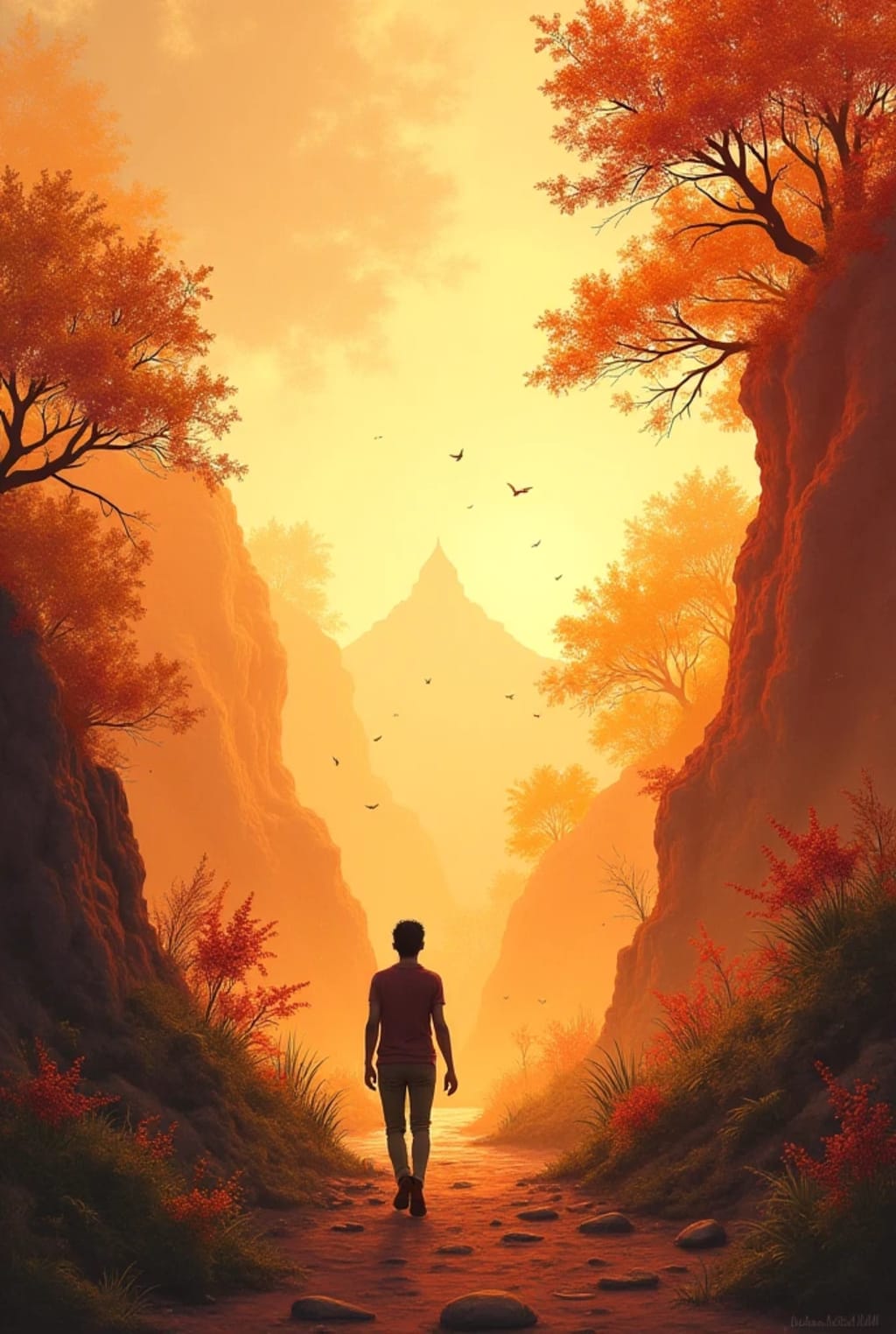
I didn’t realize I was burned out until I couldn’t get out of bed one morning—not because I was physically ill, but because I was mentally and emotionally exhausted. It crept up slowly, disguised as ambition and masked by productivity. For years, I wore my busyness like a badge of honor. But behind the scenes, I was crumbling. This is the story of how I went from burnout to balance—and the hard lessons I learned along the way.
The Hustle That Hid the Hurt
Like many people in my generation, I bought into the hustle culture. Early mornings, late nights, and to-do lists that never ended. I thought rest was a luxury and saying "no" meant weakness. I chased deadlines, side hustles, social validation, and unrealistic expectations. I said yes to everything—because I was terrified of falling behind.
Social media didn’t help. Everyone looked like they had it together: thriving businesses, fit bodies, spotless homes, and endless energy. I felt I had to keep up. I convinced myself that exhaustion was normal and that success required suffering.
But the truth was that my energy wasn’t limitless. Slowly, my sleep started suffering. I became irritable. Small tasks felt overwhelming. My creativity—once my greatest strength—flatlined. I was always tired, always anxious, always performing.
The Breaking Point
The breaking point came quietly. No dramatic collapse, no big crisis. Just one ordinary morning when I physically couldn’t move. My brain was foggy, my body heavy. I sat on the edge of my bed and felt...nothing. No motivation. No excitement. Just emptiness.
That scared me more than anything else. I realized I had been running on fumes for months, maybe even years. I had nothing left to give—because I had given everything to everyone else, and never paused to refill my own cup.
That day, I made a promise to myself: I would stop living on autopilot. I would learn how to rest, reset, and reclaim my energy. Not just temporarily, but sustainably.
The First Step: Doing Nothing (And Letting That Be Okay)
At first, I tried to “fix” my burnout the same way I approached everything else—with a checklist. Meditation? Check. Journaling? Check. Bubble baths? Check.
But real recovery didn’t come from adding more tasks to my schedule. It came from doing less.
So I started doing…nothing. Literally. I sat in silence. I let myself nap. I stared out the window without guilt. I disconnected from social media. I didn’t try to be productive. I allowed boredom back into my life.
At first, it felt wrong—like I was wasting time. But slowly, something strange happened: I began to breathe easier. My thoughts became clearer. My body felt lighter. The silence that once felt uncomfortable became healing.
Rebuilding My Relationship with Rest
I used to treat rest like a reward, something I had to earn. But through burnout, I learned that rest isn’t optional—it’s essential. It's not what we do after the work; it's what makes the work possible.
I redefined rest in broader terms. Rest wasn’t just sleep—it was unplugging from constant noise. It was saying “no” without explanation. It was choosing one meaningful project over five scattered ones. It was trusting that I didn’t have to do everything to be enough.
I started prioritizing true rest: long walks without my phone, creative play without goals, Sundays with no plans, and saying yes only to the things that truly aligned with my values.
Rediscovering Joy in the Everyday
As my energy slowly returned, I began to notice things I had once overlooked: the softness of morning light, the taste of hot tea, the sound of birds outside my window. I reconnected with simple pleasures—reading, sketching, baking, listening to music—not because they were “productive,” but because they made me feel alive.
Burnout had dulled my senses. Slowing down sharpened them again. I stopped chasing big moments and started appreciating small ones.
Joy became less about grand achievements and more about presence. And in that shift, I began to heal.
Boundaries Became My Superpower
One of the most powerful lessons I learned was how to protect my energy through boundaries. Burnout thrives in environments where we constantly overextend ourselves. I had to unlearn my people-pleasing tendencies and practice the art of saying “no”—without apology.
I created time boundaries (no work after 7 p.m.), emotional boundaries (not taking on other people’s stress), and digital boundaries (no phone for the first hour of my day). I unfollowed accounts that drained me. I unsubscribed from the idea that I had to be everything to everyone.
Each boundary I set felt like a radical act of self-respect. And with each one, I felt stronger, calmer, more in control of my life.
Rewriting My Definition of Success
Before burnout, I thought success meant constant output: more followers, more income, more visibility. But burnout forced me to reevaluate what I was chasing.
Now, I measure success differently. Success is waking up without anxiety. It’s having energy left at the end of the day. It’s being able to enjoy a weekend without guilt. It’s creating from inspiration instead of obligation.
Balance doesn’t mean perfect harmony every day—it means being able to shift and adapt, to know when to push and when to pause. That kind of success feels sustainable. It feels real.
The Ongoing Journey
I’d love to say I’ve figured it all out. But balance isn’t a final destination—it’s a daily practice. Some days I slip back into old habits. Some weeks are heavier than others. But the difference now is that I notice the warning signs. I catch myself before I fall too far.
I’ve learned to check in with myself regularly. I ask: Am I tired or uninspired? Am I doing this because I want to—or because I feel I should? Do I need to push forward—or pull back?
I listen more closely. I respond with more compassion. I give myself permission to change, to rest, to grow.
What Burnout Taught Me
Burnout wasn’t a failure. It was a wake-up call. It forced me to face the reality of how I was living—and gave me the opportunity to build something better.
I learned that:
You can’t pour from an empty cup.
Productivity without purpose is just noise.
Rest is a form of resistance in a world that glorifies exhaustion.
Joy and peace are valid goals.
Protecting your energy is an act of love.
Most importantly, I learned that reclaiming my energy didn’t mean abandoning my dreams—it meant approaching them with more intention, clarity, and care.
Final Thoughts
If you’re reading this and feeling the weight of burnout, I want you to know: you’re not lazy, weak, or broken. You’re human. And you deserve rest—not later, but now. You deserve a life that feels good on the inside, not just one that looks impressive on the outside.
Balance isn’t about doing more. It’s about choosing better. And it starts with one small step: listening to yourself.
You are allowed to slow down. You are allowed to let go. You are allowed to reclaim your energy—and your joy.
About the Creator
Keep reading
More stories from Aiman Shahid and writers in Confessions and other communities.
What Solo Travel Taught Me About Trusting Myself
There’s something quietly terrifying—and thrilling—about boarding a plane alone, passport in hand, with no one to lean on but yourself. No one to check the map, confirm the booking, or tell you everything will be okay. Just you, your luggage, and a heart full of curiosity. Solo travel isn’t just a journey through cities or landscapes; it’s a journey inward. And for me, it became the classroom where I learned one of life’s most essential lessons: how to trust myself.
By Aiman Shahid6 months ago in Confessions
The Last Day of the Year
My New Year Countdown Clock indicates that I have just over five hours left before this year is over. I am stuck in the suburbs with my mother and stepfather, contemplating what I am going to eat and drink to celebrate this great change in our lives. The weather is cold, but I do not feel as though it has really affected my attitude about what the new year will bring...but I am not as happy with this moment as I usually feel.
By Kendall Defoe 18 days ago in Confessions



Comments
There are no comments for this story
Be the first to respond and start the conversation.