
Exploring the Food Chain in New York
From Local Farms to Trendy Restaurants

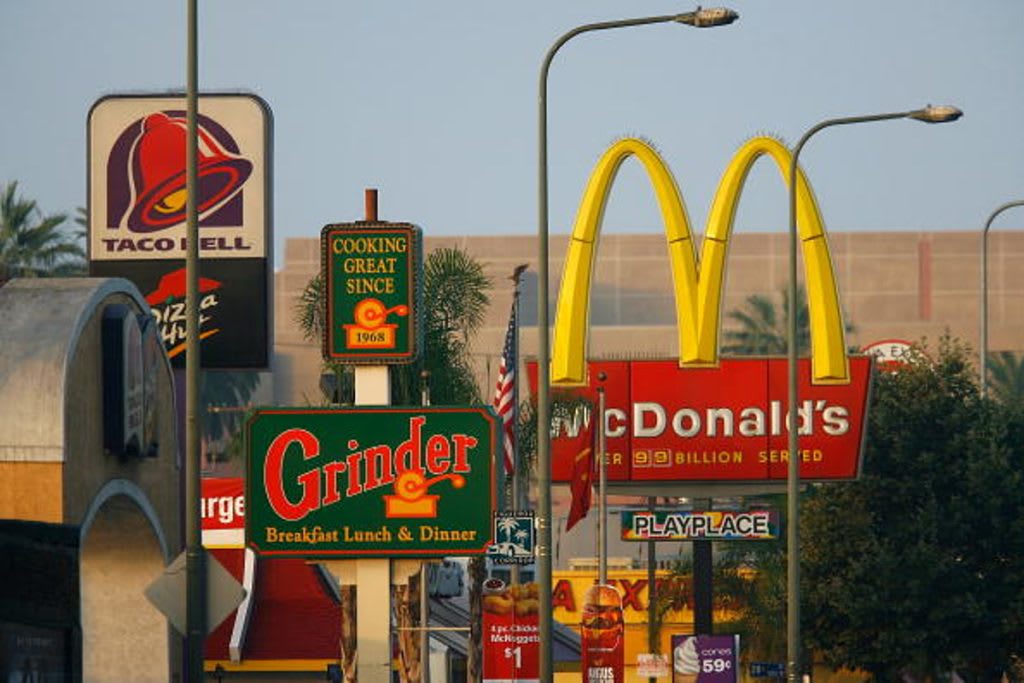
New York City is renowned for its iconic skyline, rich cultural heritage, and diverse population. However, another feature that makes the city stand out is its vibrant and dynamic food scene. The city’s food chain is a complex and multifaceted system, intertwining local farms, food distributors, restaurants, and the consumers who partake in the diverse culinary offerings. From farm-to-table movements to cutting-edge urban food innovations, New York's food chain reflects a fusion of tradition and modernity, catering to a variety of tastes, preferences, and cultural backgrounds.
The Food Chain Concept: What Does It Mean?
In its simplest form, a food chain is the process by which food moves from producers (such as farmers) to consumers (people who eat the food). In New York, this concept plays out on a much larger scale, integrating a wide range of players and systems. At the core of this food chain is the relationship between agriculture, distribution, retail, and dining establishments, all of which feed into New Yorkers’ demand for fresh, high-quality meals.
The Role of Local Farms: New York’s Agricultural Backbone
New York State has a rich agricultural history, and it continues to play a key role in the city's food chain. While much of New York City’s population is urban, much of the surrounding areas, especially upstate New York, remain agricultural hubs. Farms in upstate New York produce everything from dairy products to vegetables, fruits, grains, and livestock. These products make their way to city markets, food distributors, and local grocers, where they eventually end up in restaurants, cafes, and homes.
Farmers’ markets are a direct bridge between local farms and urban consumers, offering a space where fresh, locally grown produce and artisan products are sold. Farmers’ markets, such as the Union Square Greenmarket, have gained popularity in New York City due to increasing demand for organic, sustainable, and locally sourced food. These markets have become vital in connecting city residents with the agricultural resources of the state, fostering a sense of community around food.
Furthermore, New York State is one of the top apple-producing states in the U.S., known for varieties such as Empire, Gala, and McIntosh apples, all of which can be found in both large retail chains and specialty markets across the city.
Food Distribution: Getting Fresh Ingredients to New York
Once the products are harvested, they enter the food distribution system. This stage involves various food wholesalers, regional distributors, and logistics companies that handle the transportation of ingredients from farms to retailers, restaurants, and foodservice establishments. A significant aspect of New York's food chain is its reliance on sophisticated logistics due to the dense population and high demand for fresh, quality ingredients.
New York City is a major hub for food distribution in the United States. The city’s wholesale markets, such as the Hunts Point Market in the Bronx, are among the largest food distribution centers in the country. Hunts Point serves as a crucial part of the food supply chain, handling millions of pounds of food every day, from fresh produce to seafood, meat, and dairy products. Its proximity to the city makes it an essential hub for supplying groceries and ingredients to thousands of businesses in the five boroughs.
Many restaurants in New York City rely on these distributors to receive daily deliveries of fresh ingredients. However, as the city embraces sustainable and locally sourced food, some establishments go the extra mile to work directly with local farms to ensure their menu offerings are fresh and seasonal.
The Restaurant Scene: New York's Culinary Landscape
New York City’s restaurant scene is one of the most diverse and innovative in the world. With thousands of dining establishments ranging from Michelin-starred fine dining restaurants to local bistros, food trucks, and hole-in-the-wall eateries, the food chain in New York extends well into the restaurant industry. The city's culinary offerings reflect the global influences of its residents and its position as an international metropolis.
The farm-to-table movement has become increasingly popular in New York, as diners have grown more conscious of where their food comes from and how it is produced. Chefs are increasingly using seasonal, locally grown ingredients in their dishes, which not only supports local agriculture but also guarantees fresher and more flavorful food. The demand for locally sourced food has influenced a new generation of restaurants that emphasize sustainability, ethics, and quality.
Additionally, New York has become a hotbed for food trends and innovations. From the rise of plant-based cuisine to the ongoing popularity of ethnic foods, New York's restaurant scene is constantly evolving. New York is home to a wide variety of food concepts, many of which are influenced by global culinary traditions. Whether it's pizza, sushi, or ramen, New York offers an array of global options, thanks to the diverse population that calls the city home.
For many New Yorkers, dining out is more than just about food—it's a cultural experience. Restaurants play a role in shaping the social fabric of the city, and many eateries serve as places for communities to gather, celebrate, and share meals.
The Role of Consumers: Shaping the Food Chain
Consumers in New York City have become more educated about food, health, and sustainability, and this awareness is shaping the food chain. As a result, food businesses are adapting to cater to consumer demands for ethical sourcing, healthier options, and transparency.
The rise of food delivery services, such as Grubhub, UberEats, and Seamless, has revolutionized how New Yorkers interact with their food. The convenience of ordering food online has further accelerated the demand for fresh ingredients and meal options that cater to a variety of dietary preferences, from vegan to gluten-free. The sheer volume of online food delivery orders also impacts the food distribution chain, as these services often require specialized logistics to meet consumer expectations for timely deliveries.
Additionally, consumers have contributed to the growing emphasis on plant-based diets and sustainable food choices. The city is home to an increasing number of vegan, vegetarian, and plant-based restaurants. This shift has influenced both the agricultural and distribution sectors, as there is now a greater demand for plant-based proteins and alternatives to dairy and meat products.
The Challenges and Opportunities of New York’s Food Chain
While New York’s food chain is robust and diverse, it is not without its challenges. One of the biggest issues is the environmental impact of food transportation. New York City is heavily reliant on food imports from other regions, and the carbon footprint associated with transporting food long distances is a growing concern. Additionally, the rising cost of living, real estate pressures, and labor shortages have all affected the cost of food and the ability of food businesses to thrive.
However, these challenges also present opportunities for innovation and sustainability. Urban farming, for instance, has emerged as an exciting solution to address food security and sustainability in the city. Rooftop gardens, vertical farms, and hydroponic systems are becoming more common in New York, allowing for the cultivation of fresh produce in otherwise underutilized spaces.
Another opportunity for growth in New York’s food chain lies in waste reduction. Many restaurants and food businesses are adopting strategies to minimize food waste by donating leftovers, composting, or utilizing "ugly" produce that might otherwise be discarded.
The Future of New York's Food Chain
The food chain in New York City is a constantly evolving network that connects local farms, distribution centers, restaurants, and consumers. It reflects the city’s vibrant culture and its ongoing efforts to become more sustainable and ethically responsible. As New Yorkers continue to demand high-quality, fresh, and sustainable food, the city’s food chain will likely continue to evolve and adapt to these needs.
In the future, we may see more innovations in urban farming, food technology, and sustainable practices. However, one thing is certain: New York's food scene will always be a fusion of tradition, innovation, and cultural diversity, making it one of the most exciting culinary landscapes in the world.
About the Creator
Ellen Sammy
Writer and Blogger
Keep reading
More stories from Ellen Sammy and writers in Confessions and other communities.
Finding Help at Long-Term Mental Health Facilities in Tennessee
Problems with mental health don't always go away quickly. Healing and stability take time, support, and ongoing care for many people. Long-term mental health facilities in Tennessee are essential in this regard. These facilities are designed to give people with severe or persistent mental health issues the structure, long-term support, and resources they need to lead fulfilling lives.
By Ellen Sammy11 months ago in Confessions
The Piggy Project
I’ve had so many names in this life I lose track of which ones were ever really mine and which ones I wore because someone needed me to. Some were handed to me before I had words to refuse them, before I knew what they meant, before I knew I could say no. Most weren’t meant to hurt. That doesn’t mean they didn’t leave marks. Marks that told me who I belong to, who I am by way of who claims me, recognizes me in the good and bad, who walks beside me.
By Fatal Serendipity5 days ago in Confessions




Comments
There are no comments for this story
Be the first to respond and start the conversation.