
Duality and self-discovery in toxic patterns and love life
how he erased and crossed boundaries quietly, without my acceptance
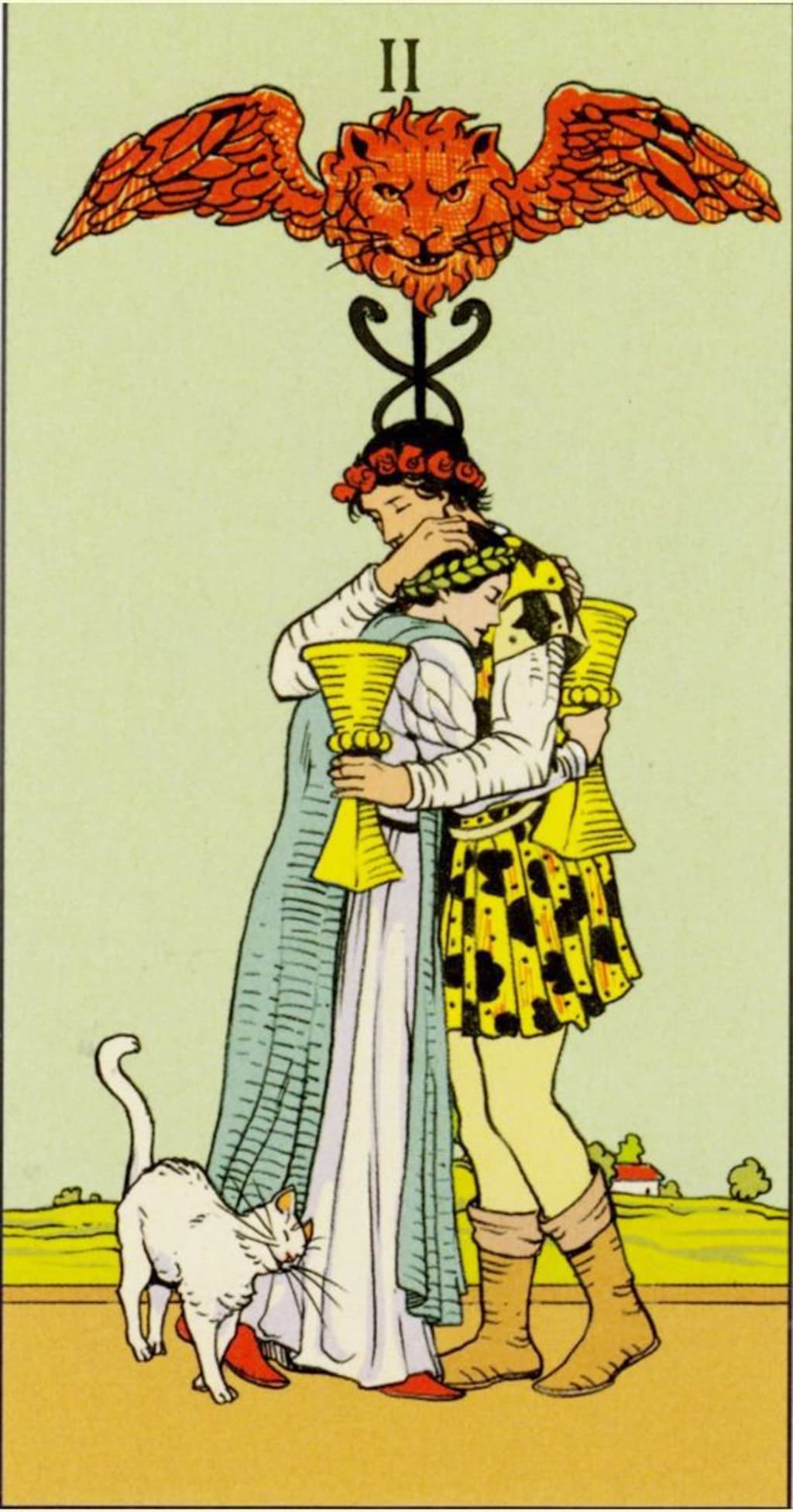
Human relationships often function as catalysts for self-awareness. Some connections offer stability, while others test the boundaries of emotional resilience and personal identity. My relationship with G belongs firmly in the latter category. It has not been linear, nor conventionally “healthy,” but it has been profoundly revealing — not only of him, but of myself.
From the outset, there was an undeniable intensity to our dynamic. G’s presence commanded attention, not through overt displays but through a kind of unspoken emotional gravity. There was an immediate bond — fast, intense, and often difficult to rationalize. We communicated in unspoken cues more than words. What seemed like chemistry at first quickly unfolded into something more complex: a psychological mirror, reflecting both my desires and my blind spots.
What I’ve come to understand is that G challenges me not just emotionally, but existentially. He activates archetypes within me — caretaker, protector, fighter, and, at times, victim. In trying to navigate our connection, I’ve had to confront my own need for validation, for loyalty, and for control. His behaviors — often inconsistent or emotionally evasive — forced me to examine why I stayed, what I was trying to prove, and whether the pain served a deeper purpose.
While there were genuine moments of affection and connection, much of our dynamic revolved around imbalance — of power, of emotional responsibility, of communication. He withdrew; I chased. He tested boundaries; I redefined mine. And yet, through this recurring tension, I began to see the underlying mechanism at play: we were each projecting unresolved parts of ourselves onto one another.
It would be simplistic to label the relationship as merely toxic or dysfunctional. Instead, I view it as deeply instructive. G often operated through manipulation or emotional ambiguity, but I allowed it — not out of weakness, but from a misplaced belief that love meant endurance. Over time, however, I began to prioritize clarity over chaos. His inconsistencies sharpened my understanding of what I needed, not just from him, but from any human connection.
Perhaps the most difficult truth to accept was this: love does not always translate into compatibility. G and I may care for each other deeply, but our emotional languages remain misaligned. What I sought in presence, he provided in absence. What I needed in stability, he often replaced with intensity. In retrospect, I can now see that much of what I perceived as “love” was, in fact, emotional entanglement — a cycle of highs and lows that fed itself but rarely nourished.
And yet, I remain grateful. Not because the relationship fulfilled me, but because it forced me to begin fulfilling myself. It exposed vulnerabilities I had long ignored, and it sharpened the edges of my boundaries, my intuition, and my self-worth. G may not be the partner I needed, but he was the lesson I couldn’t avoid.
In conclusion, my relationship with G has been a study in emotional duality: both connection and detachment, light and shadow, reflection and projection. It has taught me that sometimes the most significant relationships are not those that last, but those that awaken. And while I may not know where this particular connection will lead in the future, I carry with me the clarity that emerged from its chaos — and that is a gift in itself.
And through emotional rupture,i reclaimed parts of myself I had unconsciously given away. As Jung (1959) stated, "One does not become enlightened by imagining figures of light, but by making the darkness conscious". And in navigating storm, i became my own anchor.
About the Creator
Keep reading
More stories from Kristen Orkoshneli and writers in Confessions and other communities.
Your product is not your business
Let’s get something straight: having a good product is not the same as having a successful business. That might sting a little. Especially if you’ve poured your energy, your weekends, and your savings into developing something great. Maybe it’s a killer app, a beautifully crafted piece of clothing, or a handmade skincare line that’s better than anything in Sephora.
By Kristen Orkoshneli8 months ago in Confessions
Finding And Dating Supportive Partner Improves Happiness And Personal Growth
Good relationships particularly health ones are significant in happiness and personal development. Locating and dating someone who is supportive may foster an atmosphere that fosters emotional and self-confidence and development. The encouraging partners are supportive and empathetic and understanding, and they assist individuals in going through challenges in the achievement of personal objectives. On the other hand, unsupportive relationships tend to deple the energy and self-esteem. The presence of a partner who cares about you and your well-being is the foundation to a happier and more satisfying life.
By Willian James3 days ago in Confessions



Comments
There are no comments for this story
Be the first to respond and start the conversation.