
Discover Collagen’s Natural Power for Radiant Skin, Strong Joints, and Lasting Vitality.
A Complete Guide to Collagen Types, Natural Food Sources, and Its Role in Supporting Health from the Inside Out

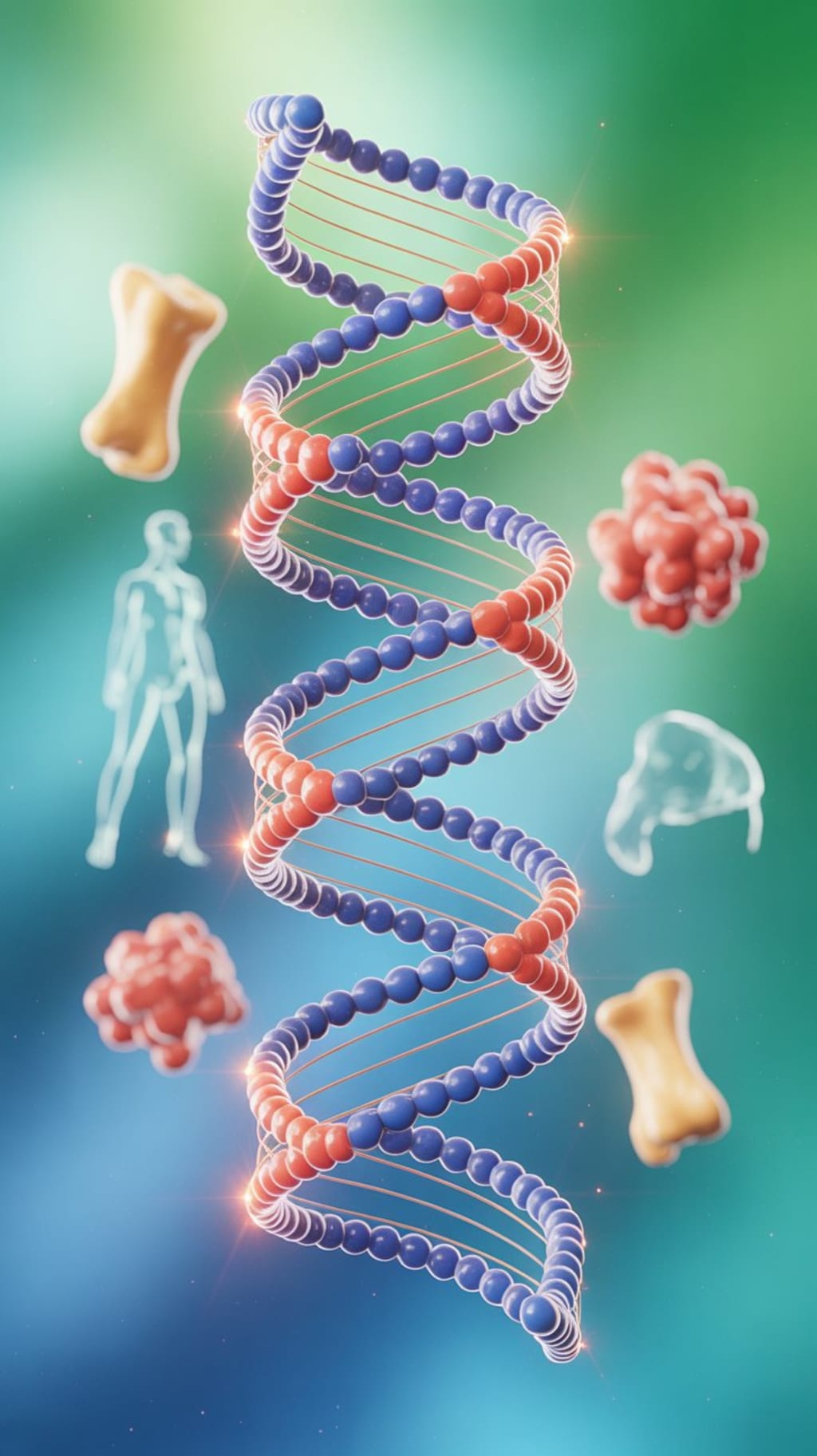
Collagen is the most abundant protein in the human body, accounting for nearly 30% of the total protein content. It plays a vital role in providing structure, support, and strength to various tissues and organs. From skin and bones to tendons, ligaments, and blood vessels, collagen is the building block that helps keep our body firm, flexible, and functional.
Despite being so essential, collagen production in the body naturally begins to decline with age—often starting in our mid20s. This decrease can lead to various signs of aging, including wrinkles, sagging skin, joint pain, and weaker bones. However, by understanding what collagen is, where it comes from, and how we can naturally support its production, we can take steps toward better skin health, stronger joints, and overall wellbeing.
What is Collagen?
Collagen is a fibrous, structural protein made up primarily of three amino acids: glycine, proline, and hydroxyproline. These amino acids are arranged in a triplehelix structure that gives collagen its strength and flexibility. It acts like a scaffold that provides strength and elasticity to tissues.
Collagen is often referred to as the "glue" of the body—interestingly, the word collagen is derived from the Greek word "kólla," meaning glue. It not only helps the skin stay firm and elastic but also plays a crucial role in maintaining healthy cartilage, blood vessels, organs, and even the eyes.
Types of Collagen
Scientists have identified at least 28 types of collagen, but five main types are the most relevant to human health:
1. Type I Collagen
Most abundant (about 90% of total collagen in the body)
Found in skin, bones, tendons, ligaments, and teeth
Provides strength and structure
2. Type II Collagen
Found mainly in cartilage
Helps cushion joints and maintain flexibility
Important in preventing and managing arthritis and joint pain
3. Type III Collagen
Found in skin, lungs, intestines, blood vessels
Works alongside Type I to provide elasticity and firmness
Especially important for vascular health
4. Type IV Collagen
Found in basement membranes of the skin and organs
Supports filtration in organs like the kidneys
5. Type V Collagen
Found in hair, placenta, cornea of the eye
Helps form the surface layer of cells and tissues
Each type of collagen serves a different purpose, making it essential for multiple body systems to function correctly.
Sources of Collagen
Collagen is produced naturally by the body, but you can also increase collagen levels through dietary sources. However, it’s important to understand that real collagen only comes from animal sources. Plantbased products may support collagen production but do not contain collagen themselves.
✅ AnimalBased Sources (Contain Actual Collagen)
Bone broth (paya/yakhni): Rich in gelatin, which is a cooked form of collagen
Chicken skin: A good source of Type II collagen
Beef (connective tissues): Contains Type I and III collagen
Fish skin and bones: Easily absorbed marine collagen
Egg whites: Rich in proline, an amino acid needed for collagen formation
Gelatin: Derived from animal bones and skin; used in cooking
These sources provide the body with collagen peptides and amino acids that help maintain the skin, joints, and connective tissue.
❌ PlantBased Sources (Support Collagen Production)
Plants don’t contain collagen, but they can help stimulate the body’s natural collagen production. Key nutrients that assist in this process include:
Vitamin C: Crucial for collagen synthesis (found in citrus fruits, amla, guava, strawberries)
Zinc and copper: Support enzymatic reactions (found in seeds, nuts, mushrooms)
Antioxidants: Help protect existing collagen from damage (found in green tea, berries, leafy greens)
These nutrients act as cofactors in the body’s production of collagen but are not collagen themselves.
Why is Collagen Important?
Collagen has a wide range of benefits that go beyond skin health. Its importance touches nearly every system in the body.
⭐ 1. Skin Health
Collagen improves skin elasticity, hydration, and texture. A decrease in collagen leads to fine lines, wrinkles, and sagging skin. Supplementing or increasing collagen through diet can result in more youthful, glowing skin.
⭐ 2. Joint and Bone Health
Collagen helps in cushioning joints and keeping cartilage intact. As we age, cartilage breaks down, leading to conditions like osteoarthritis. Collagen can reduce inflammation and joint pain and may help improve mobility.
⭐ 3. Hair and Nail Strength
Collagen provides structure to the hair and nails, helping them grow stronger and healthier. Weak nails and hair loss may be linked to collagen deficiency.
⭐ 4. Heart and Artery Health
Collagen is present in blood vessels and arteries. It provides them with flexibility and structure. Low collagen levels can lead to stiff arteries, increasing the risk of high blood pressure and heart disease.
⭐ 5. Gut Health
Collagen helps in repairing the gut lining. People with leaky gut syndrome or digestive issues may benefit from collagenrich foods, especially bone broth.
Conclusion
Collagen is an essential protein that supports the health of our skin, joints, bones, and organs. As the body ages, natural collagen production declines—but by incorporating collagenrich foods and supporting nutrients like vitamin C and zinc into our diet, we can help maintain our body's strength and flexibility.
Whether you're looking to improve your appearance, reduce joint pain, or support cardiovascular health, collagen plays a central role in overall wellness. For the best results, choose natural, animalbased sources of collagen and pair them with plantbased nutrients to maximize your body’s collagen production.
About the Creator
Keep reading
More stories from Dr.zee and writers in Confessions and other communities.
Invisible writer
In a quiet corner of the city, hidden between a crumbling bookstore and an old tailor’s shop, was a narrow alleyway that led to an apartment no one remembered renting. Its only occupant was a man whose name never appeared on any list, whose face no one recalled, and whose voice no one had heard in years. He was known, only by rumor, as the Invisible Writer.
By Dr.zee8 months ago in Confessions
Two girls, one library, and a hunger for worlds beyond your own—Part 3
The maths teacher, he tried to speak with my father then back. Nothing came good of that! Quite the contrary. So latter, when he, my father, moved in a small city, where i went further to another high school, and he put me out, i had the occasion or the luck, to ''land '' at the door of my cousin and her brother, after 1 am in the night! I had a small luggage. And trembling from fear and cold! Her brother was married with 2 children there and his sister in 2 rooms. Somehow, there was found a place for me! I will not tell you the reason my father throw me out. Or maybe I should?
By C.M.about 19 hours ago in Confessions
Ludacris and Nelly draw backlash over bookings at MAGA-coded music festival
Ludacris and Nelly headlining a mostly right-wing event is good for them. It’s also great for the genre of hip hop. The two rap veterans have showcased their talents on other stages. Why can’t they perform for mostly MAGA folks and grab that bag?
By Skyler Saunders4 days ago in Beat




Comments
There are no comments for this story
Be the first to respond and start the conversation.