
After He Was Gone: Part 1
Grieving a father while making peace with what was never said

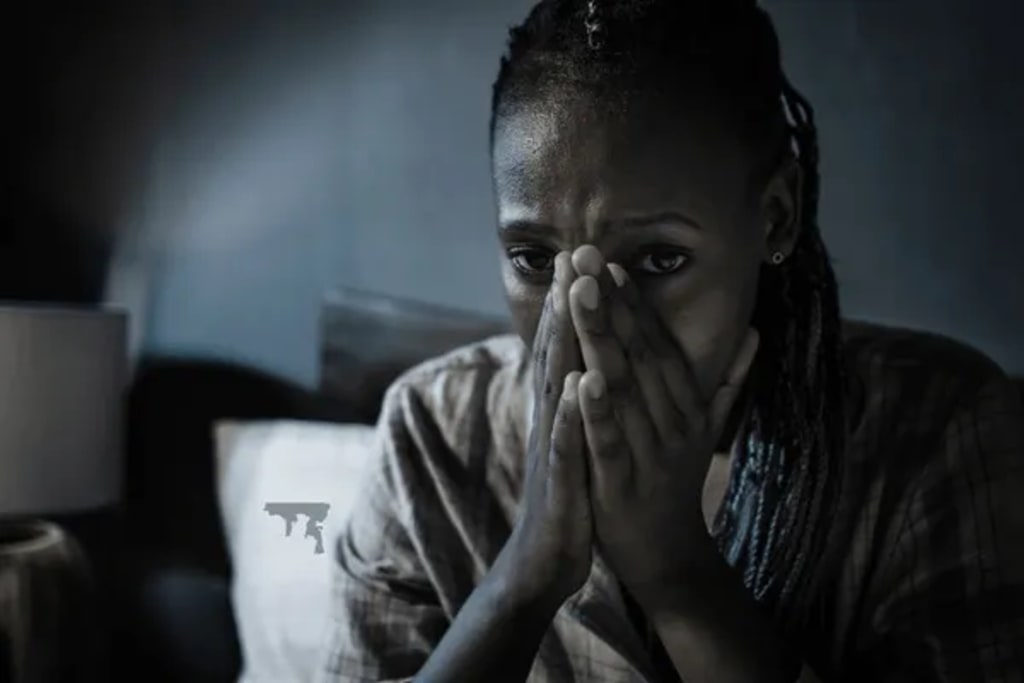
After he was gone, I was swallowed by a feeling I couldn’t name; something raw and tangled,
like a knot tightening deep in my chest. For nineteen years, I wished he’d come back while he
was still alive. Not just back, but as the father I’d never really known: loving, present, the man
who might have made sense of everything.
I’d visited him a few times as an adult, but when the news came that he was dying, none of us
moved. We didn’t visit. The reasons piled up: too far, too expensive, too late. And then, when he
finally died, the silence around it all hit differently; sharp, hollow, full of all the things left
unsaid, the doors left unopened.
Sometimes I replay the what-ifs like a broken record. Should I have gone? Could money have
bought better care? But even if I’d had every dollar in the world, I wonder: would I have found
the courage? Or was there something deeper, such as fear, anger, or maybe shame, that kept me
away?
Revisiting the Good
After that evening, I started forgetting the bad. The missed calls, the promises that never came.
Instead, I held onto the small things like the weekends he used to take us out, spoiling us silly
with ice cream cones, fast food, and careless laughter. Or those afternoons when I sat on his lap
and he told me stories, even if he’d lose track halfway through.
Those moments weren’t perfect. They were messy and rare and fragile. But they were enough.
I wasn’t denying what hurt me. I was holding on to what saved me. It was an early kind of
forgiveness, the quiet, unfinished, but real.
Those weekends felt like brief islands, bright and warm, but when Monday came, the silence
always returned like a tide pulling back the shore. The good times never quite filled the space he
left behind during the rest of the week.
I loved the smokies and sausages he’d bring home, the way he’d sneak us extra snacks, and
sometimes, on rare occasions, he’d slaughter ducks and turkeys for us, filling the kitchen with
the smell of something wild and alive. Those moments felt like small gifts; messy, imperfect, but
meant to hold us together.
Still, there were nights I waited by the phone, hoping he’d call, only to be met with silence.
Mornings when I woke to find he’d forgotten again.
The laughter faded fast, replaced by long stretches of absence and the weight of disappointment.
It was the silence after the laughter that taught me what love could feel like when it wasn’t
enough.
Clinging to Hope
I never lost hope though. Even after he sent us to the village, when we lost sight of him almost
entirely, I still held onto a version of him I could believe in. At my new school, I would tell
stories about my loving father, the weekends he remembered we existed, the small moments
when he showed up.
He would come Saturday evenings, sometimes smiling like he had been practicing, and rush
back out Sunday morning before the day had started. I hated those weekends, the hurried visits
that felt like rehearsals for something I wanted so badly to be real.
But I told those stories anyway because pride and hope can be the same thing. Maybe telling
them was my way of holding onto a father who was slipping further away.
The Quiet Goodbye
After those disappointing weekends, I started to get used to the sadness, the way it settled in,
slow and heavy, like a shadow that would not lift. The idea that he had changed, that he had
disappeared from my life, became a quiet truth I tried not to speak aloud. But there was always
that stubborn flicker inside me, a little gut that whispered, keep trying, maybe he will come back,
maybe he is still there.
That flicker stayed alive, faint but persistent, until the day I reached high school.
I was excited, nervous, hopeful. National school meant new chances, bigger dreams. But it also
meant more expenses, more burdens on my mother, who was already stretched thin. So, I called
him and told him exactly what I needed. I told him he had to contribute half the money for my
fees, that he had to step up because I was not going to let my mother carry the weight alone.
I waited for a response, any sign that he heard me, that he cared. But all I got was silence. Not
even the sound of breathing on the other end. Just a cold, empty line that swallowed my words
whole.
That silence was louder than any rejection. It hit me harder than any fight or harsh word we had
ever exchanged. I felt something inside me break, something I did not even know was fragile
until it shattered.
And right then, I hated him. I hated him with a fury I had never allowed myself to feel before. I
hated him for not showing up, for not caring enough to say no or yes. I hated him for making me
feel so alone when I needed him most.
That call was my quiet goodbye. The moment I stopped waiting for a father who never came
back.
The Return of the Absent Father
High school was a long, painful stretch where the absence of a father felt like a raw wound I
carried every day. I saw other daughters and their fathers sharing moments; laughing together at
games, walking side by side to school, those quiet inside jokes only they seemed to understand.
And there I was watching, from the outside, a silent spectator to a bond I craved but never had.
One day, overwhelmed by the ache, I told my mother with fierce certainty that I never wanted to
hear about our father again. It was a declaration born of years of disappointment and hurt. I was
convinced that cutting him out completely was the only way to protect myself.
But my mother would not let it go so easily. She insisted on forgiveness. She told me that we
would never have another father, that this man, flawed as he was, was the only one we had. Her
voice was gentle but firm, a reminder that forgiveness was not about excusing his absence but
about freeing ourselves from the weight of bitterness.
And so, the absent father began to show up again slowly and tentatively as if testing the waters.
He appeared in phone calls that came and went in letters that arrived and then stopped, hoping
perhaps that we would become calm adults who could finally accept him. Each return was a
fragile thread stretched between us, weaving complicated emotions, hope, anger, longing, and
suspicion.
It was a time of confusion. Could I open the door again after all the years of silence? Could I let
that little space in my heart grow bigger, or would it all just break once more?
Letting Him In, But Not All the Way
After hearing my mother’s words again and again, her insistence on forgiveness, her quiet
reminder that we would never have another father, something inside me shifted. I made a
decision not to forgive completely, not to erase the past, but to let him in, just a little. Not as a
father, but as a family member. Someone with a place at the edges of my life, but not at its
center.
Then came the time for me to go to campus, which happened to be in the same city where he
lived. Suddenly, the distance between us felt smaller. I could visit him now and then, drop by to
see him and his family, and be part of their world in small, controlled doses.
I could see his efforts, the way he tried to reach out, to make conversation, to bridge the gap that
had stretched so long between us. But I was guarded. I made our conversations blunt, short, and
careful. There was too much history, too many wounds that had not healed. I did not want to
invite him too close or let the old hopes stir up again.
Still, there was something about those visits. Even in the awkward silences and clipped words, I
felt the weight of possibility. Maybe not the kind of father-daughter relationship I had dreamed
of, but something else. Something imperfect and quiet.
The Quiet Signs Between Us
There were moments during those visits that caught me off guard; small, quiet observations that
unsettled me in the best way. I noticed how he treated his other children in the house. Not with
the same care or attention he reserved for us. When we came to visit, his face would light up in a
way I had not seen in years, as if our presence stirred something deep inside him.
Those moments made my heart soften, just a little. The space I had cautiously created for
forgiveness began to widen, stretching slowly like dawn breaking after a long night. I found
myself visiting him more often, no longer just because of proximity but because I wanted to. I
started calling him when I needed something, allowing a fragile connection to grow.
Still, I was far from whole. I did not give him my trust completely. My forgiveness was partial,
held together by years of hurt and uncertainty. There was a wall still standing between us, one
built not to shut him out but to protect myself from getting hurt again.
Even with that wall, something had shifted. The man who had once been a distant shadow was
becoming someone I could acknowledge as part of my life, flawed, complicated, but real.
About the Creator
Keep reading
More stories from Eunice Kamau and writers in Confessions and other communities.
After He Was Gone: Part 2
Distance Returned Without Warning After campus, I moved to a different city for work, and just like that, the distance returned. Not just the physical miles between us, but the emotional space that had once felt like a canyon. Life moved quickly with new responsibilities and new routines, and the noise of becoming an adult filled my days. The calls became fewer. The visits became fewer than the calls.
By Eunice Kamau2 months ago in Confessions
I was in a Toxic Relationship, with my Workplace
“You got that?” My ex yelled. His hands were balled into fists at his side. At six foot three, he towered over me. A normal person would have been afraid, but I looked up a video of George Lopez repeatedly saying, “I got this,” and showed it to him. I had grown used to this treatment, so much so that I didn’t blink when he ripped the phone from my hand and threw it across the room.
By Jade M.2 days ago in Confessions




Comments
There are no comments for this story
Be the first to respond and start the conversation.