
A Light That Burned in the Dark
The story of a broken soul, a lost notebook, and a child’s words that reignited the will to live.
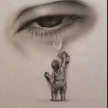

There was a time when Nathan didn’t know how to breathe.
He wasn’t choking, not in the physical sense. But every morning felt like drowning inside a glass room, suffocating without water, without a cause, without a way out. People around him would casually say, “It’s just a phase,” as if agony was temporary like a passing flu, or a scratched record you could replace. But Nathan knew otherwise. Inside him, there was a silence deafening, persistent that crushed every budding thought before it could bloom into hope.
He had once been a pianist. A real one. His fingers used to glide over the ivory keys like falling rain soft, intentional, alive. Now those same fingers trembled just lifting a glass of water. His apartment was haunted by silence, only interrupted by echoes of half-played melodies. He hadn’t touched the piano in months. His soul felt numb, and his creativity the one thing that had once given him purpose had turned to dust. Depression didn’t arrive like a storm. It seeped in, slowly, like water through the cracks, and by the time he noticed, he was drowning from the inside.
Then came the day he almost let go.
It was a grey Tuesday the sky hung low like worn-out linen soaked in dirty rain. Nathan stood at the edge of the bridge, staring into the depths below. Not to jump. Not exactly. But close enough to imagine what it would feel like to finally disappear. What would the silence sound like down there? Would it be gentler than the one in his chest?
That’s when he heard a voice.
“You dropped this,” a young boy, maybe ten years old, stood holding a weathered notebook.
Nathan hadn’t even noticed it had slipped from his coat pocket. He took it, muttered a thank you, expecting the boy to walk away.
But he didn’t.
“Do you draw?” the boy asked.
“No.”
“Then write,” the boy smiled. “My dad says when your heart is too loud, you should let your hands talk.”
And just like that, the boy turned and walked away. Simple. Uncomplicated. But those words they hit something raw, something still alive in Nathan.
That night, for the first time in weeks, he opened the notebook.
He didn’t write anything profound. No poetry, no structured verse, no music. Just chaos. Rage. Shame. Regret. He wrote exactly what he felt incoherent, broken thoughts. The ink bled where his wounds hadn’t. He didn’t stop to make sense of it. It wasn’t for anyone else. It was survival.
Night after night, page after page, he kept going. There was no clarity at first, only release. But somewhere between the scribbles and the silence, something shifted. He wasn’t healed, not even close. But he was no longer empty.
After a few weeks, sleep returned. Slowly. First an hour, then two. He began noticing things the sound of rain, the smell of old books, the way sunlight crept in through the blinds. One day, without thinking, he sat down at the piano and played a single note. Just one. It wasn’t beautiful. It wasn’t in tune. But it was enough.
That note was alive.
And life even in its smallest form is a rebellion against despair.
Eventually, he found the courage to attend a local support group. Not to speak. Just to listen. And in that room filled with quiet voices and cracked smiles, he saw fragments of himself. People who had stood where he had. People who didn’t wear victory, but carried survival like a badge made of scars. They laughed, even if their laughter shook. They cried, even if their tears had dried years ago.
Nathan never became a symbol. No documentary was made about his journey. No viral video, no book tour. But one morning, he opened his eyes, sat up, and realized something extraordinary.
Thank you very much for reading!❤️
About the Creator
Keep reading
More stories from Ashraf and writers in Confessions and other communities.
Rain Separation and the New Maya
Maya always believed there was something magical in the rain. For her, rain was not just water falling from the sky it was a moment when the world seemed to pause, a special time when everything else faded away except for the two people she loved most.
By Ashraf 10 months ago in Confessions
Dating Supportive Partners Improves Self Confidence Happiness And Relationship Fulfillment
One of the most desirable characteristics of a healthy romantic relationship is support. When the partners are truly interested in each other well-being and success, they build the environment, which promotes the emotional security and the trust. Positive partners are able to listen without being judgmental, they are supportive when one is going through hard times, and they rejoice in the success of each other. This constructive dynamic enhances the emotional attachment among people and makes both partners feel special and cherished in the relationship.
By Willian James6 days ago in Confessions



Comments
There are no comments for this story
Be the first to respond and start the conversation.