
What Is a Psychiatric Service Dog? Benefits, Roles & Complete Training Guide
Psychiatric Service Dog
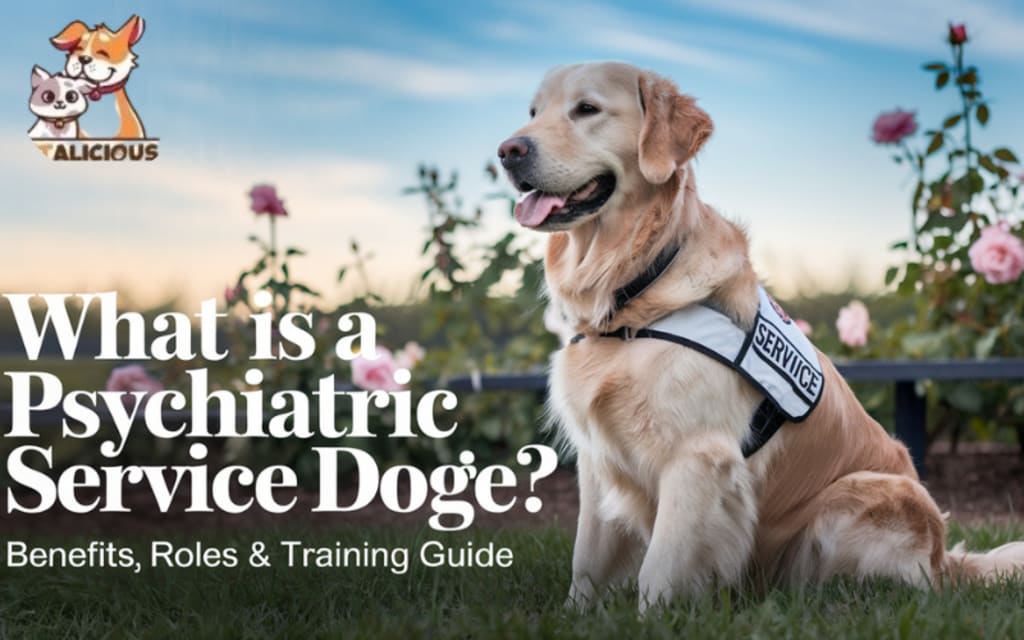
A psychiatric service dog (PSD) is more than just a loyal companion; they’re trained to assist people living with mental health conditions like anxiety, PTSD, depression, and more. Unlike emotional support animals, PSDs perform specific tasks that help their handlers function better in daily life. Whether it’s reminding you to take medication or interrupting a panic attack, these dogs offer life-changing support. This guide will explore the benefits of psychiatric service dogs, their roles, legal rights, and how to begin training a psychiatric service dog step by step.
Psychiatric Service Dog vs. Emotional Support Animal
Many people confuse Psychiatric service dogs (PSDs) with emotional support animals (ESAs), but there are big differences. A PSD is trained to perform specific tasks like stopping a panic attack or waking someone from a nightmare. An ESA, on the other hand, offers comfort just by being there, but isn’t trained to do tasks. Also, PSDs are protected by ADA laws, meaning they can go almost anywhere with their handler, while ESAs have limited access. Understanding this difference is key when deciding which type of support is right for you.
Who Qualifies for a Psychiatric Service Dog?
To get a psychiatric service dog, a person must have a mental health condition that significantly affects daily life. These conditions include PTSD, anxiety disorders, depression, bipolar disorder, OCD, schizophrenia, and more. A licensed mental health professional must diagnose the condition and confirm that a psychiatric service dog can help manage symptoms. If you often struggle with emotional regulation, panic attacks, or need reminders to take medication, a Psychiatric Service Dog might be the support you need. Proper documentation is essential when applying for housing or public access rights.
Key Benefits of a Psychiatric Service Dog
Having a psychiatric service dog can bring immense benefits to your daily life. PSDs help reduce anxiety, assist with emotion regulation, and provide physical and emotional support during tough moments. They are trained to interrupt panic attacks, offer comfort during distress, and even remind you to take medications. With a psychiatric service dog by your side, you can experience increased independence, confidence, and better mental health management. Their constant companionship is not just comforting, it’s a lifeline.
Tasks Performed by PSDs
A psychiatric service dog is trained to perform vital tasks that assist in managing mental health conditions. These include interrupting panic attacks, providing deep pressure therapy, and helping with medication reminders. PSDs also help guide their handlers to a safe space during episodes and can even alert others if their handler is in distress. Their specific tasks make a significant difference in the handler's ability to cope with mental health challenges and lead a more independent life.
Best Breeds for Psychiatric Service Dogs
Certain dog breeds are better suited to the role of a psychiatric service dog. Breeds like Labrador Retrievers, Golden Retrievers, and Poodles are known for their calm demeanor, intelligence, and trainability. These dogs can handle the demanding tasks that come with service dog training. However, the most important factor is the dog’s temperament, not just breed. A good psychiatric service dog is patient, responsive, and eager to help.
Also Read: The Best Online Techniques for Psychiatric Service Dogs Training
How to Get a Psychiatric Service Dog
To get a psychiatric service dog, you need to first consult with a licensed mental health professional who can assess your needs. After receiving a diagnosis, you can either train the dog yourself or work with a professional service dog trainer. The dog must pass tests to ensure it can perform specific tasks and behave in public settings. Once trained, you can apply for certification and legally access the rights that come with having a psychiatric service dog.
About the Creator
Australian Open 2026: A Writer’s Perspective on the Future of the Grand Slam
Australian Open 2026: A Writer’s Perspective on the Future of the Grand Slam From my point of view, the Australian Open 2026 represents more than just the first Grand Slam of the tennis calendar. It feels like a reflection of where modern tennis is heading and how the sport continues to evolve while holding on to its traditions. Every January, Melbourne becomes the center of the tennis world, but in 2026 the tournament seems especially symbolic, standing at the crossroads of a new generation, advanced technology, and changing expectations from fans and players alike.
By America today about 20 hours ago in Cleats
Wild Card Weekend Recap: What Happens Now?
I think I figured out why I love Wild Card Weekend so much. It's because it's the first playoff anything of the calendar year. The NFL season starts in the fall, and once upon a time, the champion was crowned either on or slightly before New Year's. The evolution of the NFL schedule has resulted in the playoffs starting just into the New Year, and currently, the final week of the season falls on the first weekend of the New Year, with Wild Card Weekend coming a week after that. So yes, chronologically, the NFL's Wild Card Weekend serves as the first playoff anything of the calendar year.
By Clyde E. Dawkins6 days ago in Unbalanced




Comments
There are no comments for this story
Be the first to respond and start the conversation.