
The Reign of the King: Remembering Michael Jackson's Super Bowl XXVII Halftime Show
Superstar Performance

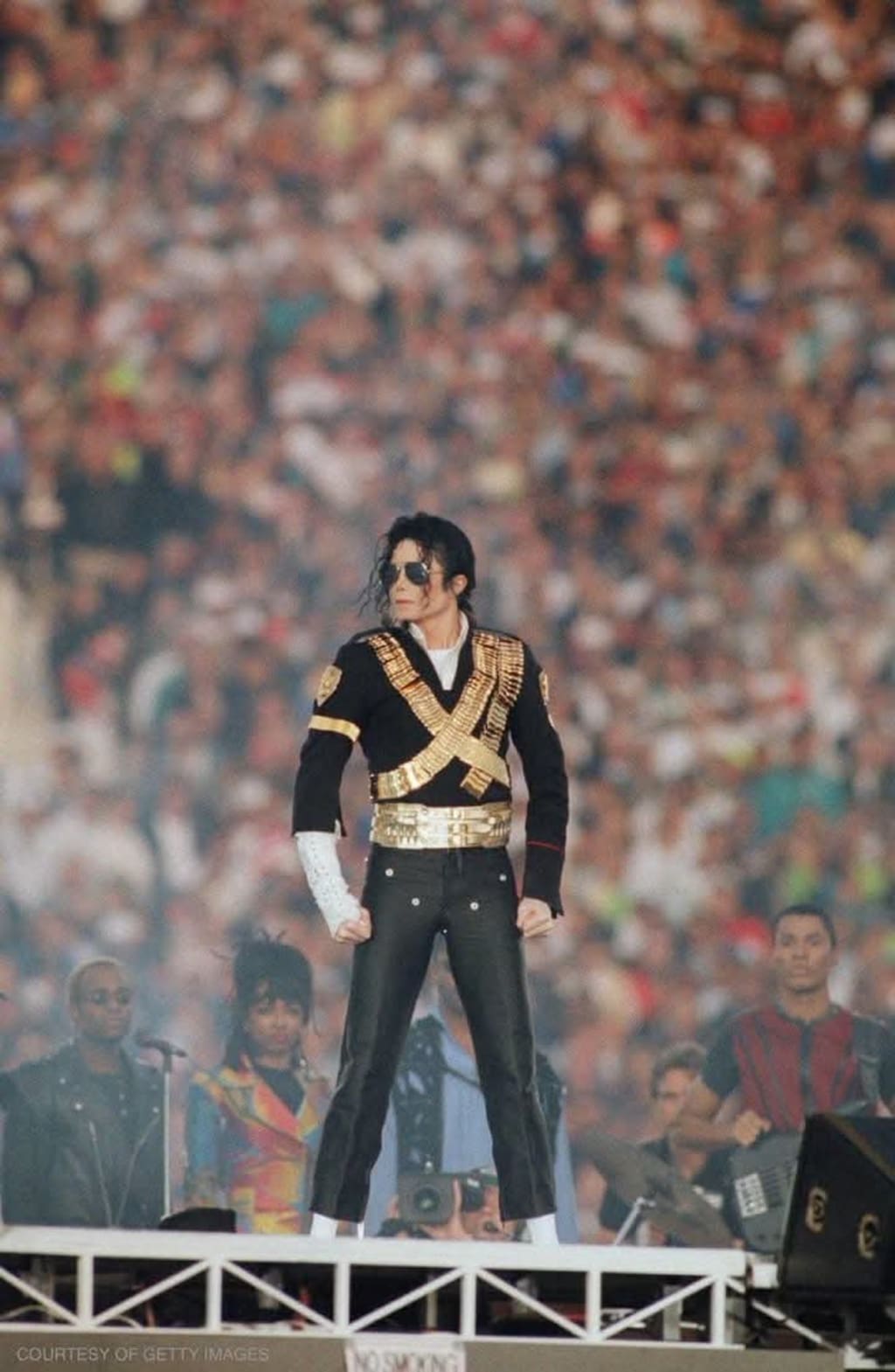
Super Bowl XXVII, 1993. The Rose Bowl in Pasadena, California, pulsed with anticipation. The crowd, a sea of faces, buzzed with excitement. They knew who was coming. They knew they were about to witness something extraordinary. But no one, not even the most seasoned concert-goer, could have predicted the sheer magnitude of what was about to unfold. Because what Michael Jackson delivered that day wasn't just a halftime show; it was a cultural touchstone, a masterclass in stage presence, and a testament to the enduring power of his artistry.
The lights dimmed. A hush fell over the stadium. And then, there he was. Michael Jackson. Standing perfectly still, silhouetted against the backdrop, an icon of unparalleled stature. Not a word was spoken. Not a move was made. For nearly five minutes, he simply stood there. Just his presence. And in those five minutes, the roar of the crowd reached a fever pitch. Screams echoed through the stadium, tears streamed down faces, and a collective sense of awe washed over the audience. Who else could command such attention, such reverence, with nothing more than their silent presence? Only Michael Jackson.
That extended silence wasn't just a dramatic flourish; it was a power move. It established Jackson's absolute control over the narrative, setting the stage for a performance that would transcend the typical Super Bowl spectacle. It was a statement: This wasn't just entertainment; this was an event.
Then, the music began. The opening chords of "Billie Jean" pierced the silence, and the stadium erupted. The familiar beat, the iconic bassline, instantly transported everyone to the realm of Michael Jackson. But this wasn't just a rendition of a classic; it was a performance, a story unfolding before our eyes. Jackson embodied the song, his movements mirroring the lyrics, his expressions conveying the complex emotions of the narrative. "People always told me be careful what you do…Don’t go around breaking young girls’ hearts…" The words resonated with the audience, not just as lyrics, but as a shared experience. The drama, the intrigue, the sheer artistry of the performance captivated everyone.
And then, the transition. Seamlessly, effortlessly, Jackson shifted gears, moving from the personal to the universal. "It don't matter if you're Black or White." The message was clear, powerful, and profoundly relevant. In a nation still grappling with issues of race and equality, Jackson's performance served as a unifying force, a reminder that music transcends boundaries and connects us all. He transformed the Super Bowl stage into a platform for social commentary, delivering a message of unity and acceptance to a global audience.
But Jackson's genius wasn't just about the music or the message; it was about the complete package. His dance moves were electrifying, his energy infectious. He moved with a fluidity and precision that was unmatched, his every gesture imbued with meaning and emotion. The choreography was iconic, from the moonwalk to the spins, each move perfectly synchronized with the music, adding another layer of depth to the performance.
And then, the children. The image of Jackson surrounded by a chorus of children, singing about healing the world, is one of the most enduring moments in Super Bowl history. It was a powerful symbol of hope, a reminder that the future belongs to the next generation. "Heal the world, make it a better place…For you and for me and the entire human race…" The lyrics, sung by Jackson and the children together, resonated with the audience on a deeply emotional level. It was a moment of pure magic, a testament to Jackson's ability to connect with people of all ages and backgrounds.
Jackson's halftime show wasn't just a performance; it was a cultural phenomenon. It redefined what a Super Bowl halftime show could be, raising the bar for all future performers. It was a spectacle, yes, but it was also so much more. It was a celebration of music, dance, and the power of human connection. It was a reminder that art can be a force for change, a catalyst for unity, and a source of hope.
The impact of Jackson's performance is still felt today. It remains one of the most-watched and most talked-about halftime shows in history. It cemented his status as the King of Pop, an artist whose influence transcends generations. And it serves as a reminder that there will never be another Michael Jackson. His talent, his charisma, his sheer presence – they were unique, unparalleled, and unforgettable.
The comparisons to other performers are inevitable, but they are also ultimately futile. Michael Jackson was in a league of his own. He was an innovator, a visionary, and an artist who redefined popular culture. His Super Bowl XXVII halftime show was not just a performance; it was an event, a moment in time that will forever be etched in the collective memory. It was a reminder that the King still reigns.
About the Creator
Keep reading
More stories from Deji Akomolafe and writers in Cleats and other communities.
Kendrick Lamar's Super Bowl Halftime Show: A Masterclass in Musical Storytelling and Cultural Commentary
Kendrick Lamar. The name itself resonates with a certain weight, a promise of lyrical dexterity, social consciousness, and artistic innovation. So, when he took to the Super Bowl LVI stage, expectations were stratospheric. And, as many predicted, he didn't just meet them; he shattered them. His performance wasn't just a spectacle; it was a carefully curated narrative, a powerful statement delivered with the precision of a seasoned storyteller and the energy of a cultural revolutionary.
By Deji Akomolafe11 months ago in Cleats
Top 5 Players with Most Days as No. 1 ODI Batter
One Day International (ODI) cricket has been one of the most popular formats of the game since its beginning in 1971. With only 50 overs available, batters must combine skill, patience, and smart shot selection to succeed. In such a competitive format, individual consistency becomes extremely important, especially when players are judged through ICC rankings. Holding the top position is a sign of dominance, but staying there for years is even more difficult. The record for most days as №1 ODI batter highlights the rare cricketers who performed at the highest level for long periods. These players scored runs in different conditions, against the best bowlers, and under constant pressure. This article focuses on the legends who achieved the most days as №1 ODI batter, showing why they stand above the rest in ODI history.
By Sports Record and Stats a day ago in Cleats
Wild Card Weekend 2026: When the NFL Stops Pretending
Wild Card Weekend is the moment the NFL sheds its politeness. The regular season, with all its caveats and context, is over. No more talk about “building,” “progress,” or “next year.” By January 2026, the league has entered its most unforgiving phase. Win, and you move on. Lose, and everything you spent four months constructing is suddenly up for debate.
By Lawrence Lease7 days ago in Cleats



Comments (1)
Nice story ♦️🖊️📕🏆♦️