
Steve Smith can return in the second test match against West Indies, doing special exercises to recover
Steve Smith
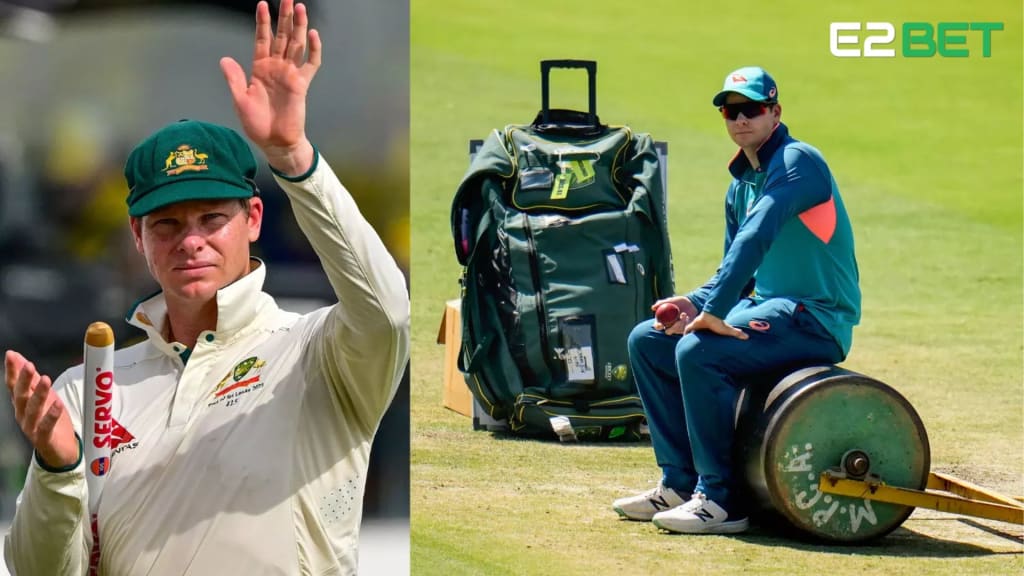
Steve Smith, one of Australia’s most experienced and reliable batsmen, suffered a serious injury during the final of the last World Test Championship (WTC), which was held between Australia and South Africa. The incident occurred when Smith was batting, and he sustained a painful injury to the little finger of his left hand. The injury was severe enough that Smith had to leave the match and seek immediate medical attention at a nearby hospital. Unfortunately, the damage not only ruled him out of the remainder of the WTC final but also kept him sidelined for the opening match of the current Test series against the West Indies.
Smith’s absence in the first Test was a major setback for the Australian side, even though they managed to secure a commanding 159-run victory. The 36-year-old right-handed batsman has been a pillar in Australia’s Test lineup for over a decade, and his absence was certainly felt. However, positive news is emerging for the Aussies, as Smith is now reportedly making good progress in his recovery. He is undergoing special training and exercises to regain fitness, raising hopes that he might return for the second Test match of the series, scheduled to be played at Sabina Park in Jamaica from July 12.
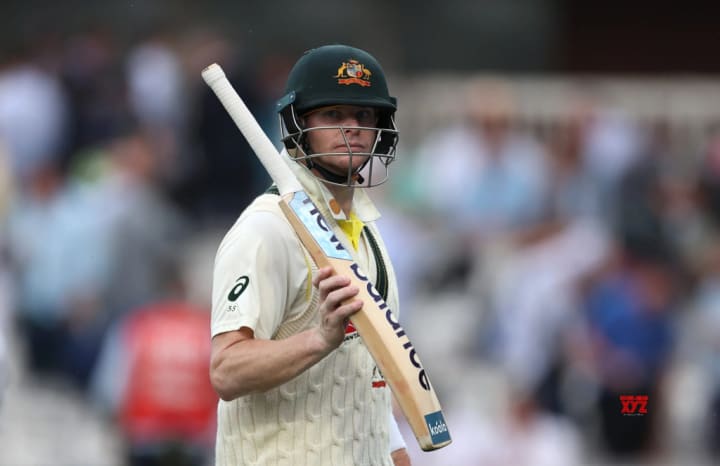
Currently, Steve Smith is in New York, where he has taken a unique approach to his rehabilitation. He has been training using a baseball batting gauge—a tool often used by baseball players to improve hand-eye coordination and batting technique. Speaking to Cricbuzz about his recovery, Smith mentioned that he used the batting gauge in a shaded area due to the hot weather, with temperatures reaching up to 36 degrees Celsius. He added that a friend had introduced him to the facility, and he was able to get in some valuable practice sessions with a few throws.
Providing further updates on his condition, Smith said that his stitches had been removed and that he now had only a small bandage on his injured finger. This development has made it much easier for him to put on his batting gloves and handle the bat comfortably. Encouragingly, Smith mentioned that he was not experiencing any pain, and although there was a slight limitation in movement, things were steadily improving. He emphasized that his hand now had a good range of motion, and most importantly, he felt no discomfort while hitting the ball during practice.
This progress has generated optimism about Smith’s potential return for the second Test. Given the importance of the match and Smith’s value to the team, Australia would certainly benefit from having him back in the lineup. His experience, calm under pressure, and ability to play long innings make him an indispensable asset in any format of the game, especially in Test cricket.
Australia’s strong performance in the first match, where they defeated West Indies by 159 runs, has given them a 1-0 lead in the three-match series. A win in the second Test would seal the series for the Aussies, and having Smith back could further strengthen their chances. Fans and team management alike will be keeping a close eye on his fitness updates over the coming days.
As of now, all signs point toward a potential return, but the final decision will depend on how well Smith adapts during practice sessions leading up to the second Test. One thing is certain—Smith’s determination to recover and his unique approach to training reflect the commitment and passion he brings to the game of cricket.
About the Creator
Keep reading
More stories from laradecruz and writers in Cleats and other communities.
What was the first question Rishabh Pant asked the doctor after the accident, now a big revelation has been made
In December 2022, Rishabh Pant, the talented and explosive wicketkeeper-batsman of the Indian cricket team, faced one of the biggest challenges of his life. He was seriously injured in a terrifying car accident that took place in the early hours of the morning while he was driving to his hometown. The accident left Pant with multiple injuries and landed him in a hospital in Mumbai, where he was immediately admitted for emergency treatment. The details that have now come to light about his injuries and recovery are nothing short of astonishing.
By laradecruz9 months ago in Cleats
Real Madrid vs Elche Match Result 4–1 in La Liga
The title race at the top of La Liga remains intensely competitive, with Barcelona and Real Madrid both securing emphatic victories in Round 28 to maintain the status quo at the summit. As the season enters its crucial final stretch, the two Spanish giants are showing no signs of backing down, trading blows like heavyweight champions in a bid to seize control of the league.
By Football Scoreabout 3 hours ago in Cleats


Comments
There are no comments for this story
Be the first to respond and start the conversation.