
Rafa Benítez: The Mastermind Behind Modern Football Tactics
How a Spanish strategist shaped the beautiful game across Europe

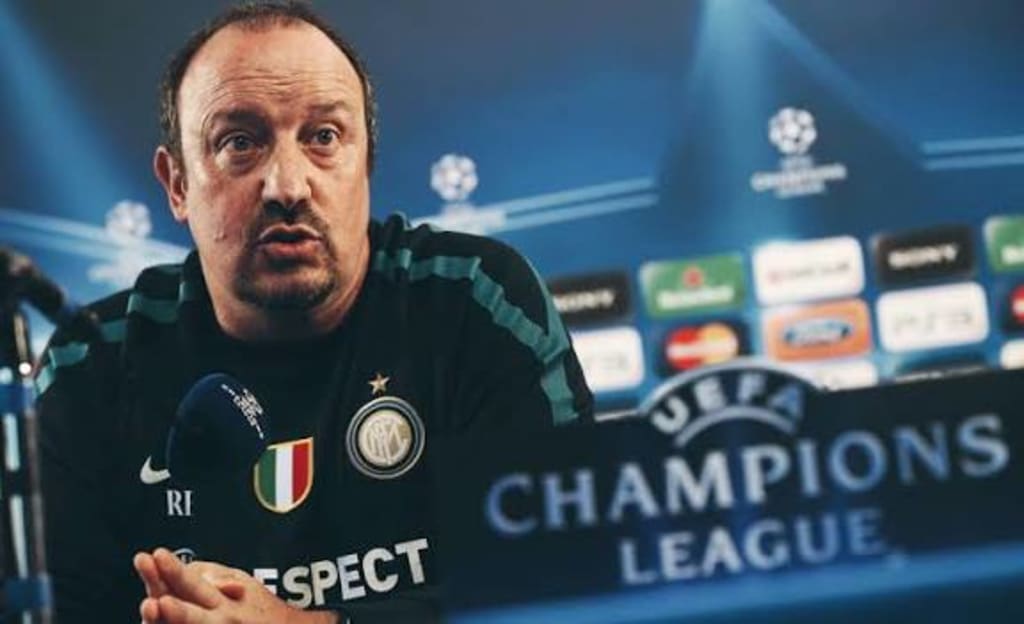
When you think about great football managers of the 21st century, Rafa Benítez is a name that immediately comes to mind. Known for his meticulous tactics, calm demeanor, and analytical approach, Benítez has influenced football in ways that go far beyond the trophies he has won. From his unforgettable Champions League triumph with Liverpool to his managerial adventures in Spain, Italy, and beyond, Rafa Benítez’s story is one of resilience, intelligence, and passion for the game.
Early Life and Rise Through Spain
Born in Madrid in 1960, Rafael Benítez Maudes began his journey in football as a young player with Real Madrid’s youth academy. While his playing career was modest, it gave him valuable insight into the technical side of the game — something that would later define his managerial career.
After retiring early due to injury, Benítez quickly shifted to coaching, joining Real Madrid’s B team. He learned from some of Spain’s greatest minds and developed his own tactical philosophy: organized defense, structured attack, and adaptability. His big break came in 2001 when he took charge of Valencia CF, a team that had been strong but inconsistent.
Under his leadership, Valencia became a tactical powerhouse. With a focus on teamwork, discipline, and counter-attacking football, Benítez guided the club to two La Liga titles (2001–02, 2003–04) and the UEFA Cup (2004). His success with a team that didn’t rely on big stars showed that strategy and structure could overcome money and fame — a message that still resonates in football today.
The Miracle of Istanbul
In 2004, Rafa Benítez took a leap that would forever change his career — he became manager of Liverpool FC. The club was going through a rebuilding phase, and fans were eager for a return to European glory. What followed in 2005 remains one of football’s most iconic nights: the Miracle of Istanbul.
Liverpool faced AC Milan in the UEFA Champions League final, and by halftime, they were down 3–0. Most teams would have given up. But Benítez made bold tactical changes, switching formations and motivating his players with quiet belief. What happened next is football history — Liverpool came back to draw 3–3 and eventually won on penalties.
It wasn’t just a victory; it was a testament to Benítez’s tactical genius and leadership. The world watched in awe as his strategies turned despair into triumph. That night, Rafa Benítez became a legend.
Tactical Genius and Controversies
Benítez’s style of management has always been analytical and methodical. He studies opponents deeply, often spending hours reviewing footage to find the smallest weaknesses. His emphasis on structure, defensive balance, and controlled possession has influenced countless modern coaches.
However, his attention to detail sometimes made him a controversial figure. Players have described him as distant and extremely focused — a manager who values logic over emotion. Some fans loved his calm, professional approach, while others wished for more passion on the sidelines.
Still, his results spoke for themselves. After leaving Liverpool, Benítez managed top clubs including Inter Milan, Chelsea, Napoli, Real Madrid, Newcastle United, and Everton. Everywhere he went, he left a mark — improving defenses, developing young talent, and instilling discipline.
The Premier League Years
In the Premier League, Benítez proved his adaptability. At Chelsea, he won the Europa League in 2013, despite being an interim manager and facing criticism from fans who initially doubted him. Later, at Newcastle United, he won the hearts of supporters by showing loyalty and passion.
Under his leadership, Newcastle returned to the Premier League and became a well-organized, determined side despite limited resources. Fans respected his honesty, humility, and hard work — qualities that made him one of the most respected figures in English football.
His stint at Everton was more complicated due to his Liverpool past, but even there, Benítez showed professionalism and dedication.
A Legacy Beyond Trophies
What makes Rafa Benítez special is not just his list of achievements, but his legacy as a thinker of the game. He helped popularize the idea of data-driven tactics, video analysis, and detailed game planning long before these became standard practice. Many of today’s top managers — from Jürgen Klopp to Pep Guardiola — have acknowledged how much modern football owes to tacticians like Benítez.
Off the pitch, Rafa is known for his humility and intelligence. He rarely seeks attention and often focuses on family and community work. His commitment to the sport has made him a mentor figure to younger coaches worldwide.
The Enduring Influence
Today, Rafa Benítez continues to be involved in football, bringing his decades of experience wherever he goes. His impact isn’t just measured in trophies but in the respect he commands from players, fans, and fellow coaches. He’s proof that football isn’t just about emotion and flair — it’s also about intelligence, patience, and preparation.
Rafa Benítez’s career is a lesson in how dedication and discipline can change the course of a game — or even the history of a club. He remains one of football’s great thinkers, a man who turned strategy into art and made fans around the world fall in love with the tactical beauty of the sport.
About the Creator
Fiaz Ahmed
I am Fiaz Ahmed. I am a passionate writer. I love covering trending topics and breaking news. With a sharp eye for what’s happening around the world, and crafts timely and engaging stories that keep readers informed and updated.
Keep reading
More stories from Fiaz Ahmed and writers in Cleats and other communities.
Cooper Flagg: The Teen Basketball Prodigy Poised to Change the Game
In every generation of basketball, there emerges one player whose skill, confidence, and charisma make fans believe they’re witnessing the birth of greatness. For today’s fans, that player might just be Cooper Flagg, a young phenom from Maine who’s already being called one of the most exciting prospects in recent years. While still a teenager, Flagg’s name is echoing through the gyms and arenas of America, hinting that a new era of basketball is about to unfold.
By Fiaz Ahmed 3 months ago in Cleats
Top 5 Highest Successful Chases by New Zealand Against India in ODIs
New Zealand has always been a strong team when it comes to chasing big totals in One Day Internationals (ODIs). Over the years, they have produced some unforgettable performances against India. In this article, we explore the top 5 highest successful chases by New Zealand against India in ODIs. These matches highlight New Zealand's batting depth, strategic approach, and ability to handle pressure against a strong Indian bowling attack.
By Sports Record and Stats 2 days ago in Cleats
Top 10 Greatest Russian MMA Fighters
Russia has always been a powerhouse in combat sports. From Dagestan to Chechnya, the country has produced some of the toughest and most skilled fighters in the world. Simply being Russian in MMA can be intimidating for opponents. Over the years, legends like Fedor Emelianenko, Khabib Nurmagomedov, and modern stars such as Islam Makhachev and Khamzat Chimaev have shown the world why Russia dominates MMA. This list ranks the top 10 greatest Russian MMA fighters, highlighting their careers, achievements, and contributions to the sport.
By Sports Record and Stats 5 days ago in Cleats


Comments
There are no comments for this story
Be the first to respond and start the conversation.