
Optimizing Environmental Compliance for Mobile and Stationary Asphalt Plants
How to formulate optimization plans based on the environmental configuration differences, to ensure the equipment meets local environmental regulations in different project?

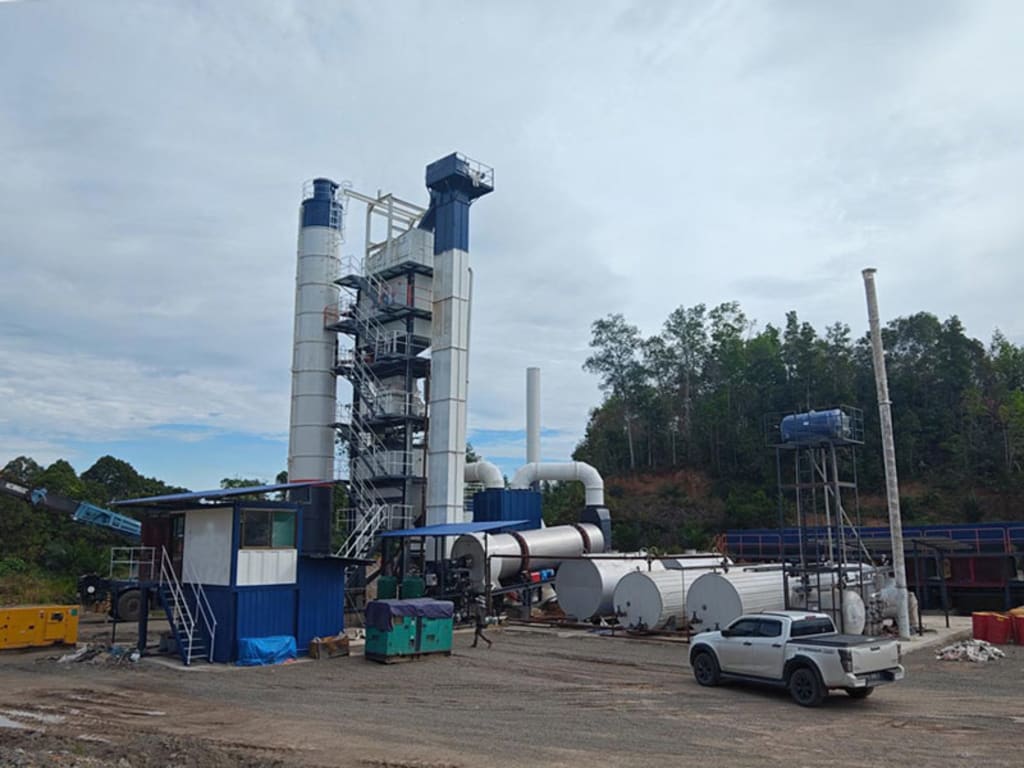
Mobile asphalt plants, constrained by module volume, typically feature small and simple environmental protection facilities, such as small bag filters. These plants are most suitable for rural or remote projects where environmental pressure is low. In contrast, stationary asphalt plants can be equipped with large-scale, high-efficiency environmental protection systems, including desulfurization and denitrification devices, and closed silos. These systems make stationary plants more appropriate for urban projects with stringent environmental requirements, such as municipal main road construction. For enterprises operating in both urban and rural environments, formulating optimization plans based on the environmental configuration differences of these two types of equipment is essential to ensure compliance with local regulations.

Understanding the Environmental Needs of Different Projects
The first step in formulating an optimization plan is to recognize the distinct environmental needs associated with urban and rural projects. Mobile asphalt plants, with their limited capacity for environmental protection, are often adequate for rural applications where regulations may be less stringent. However, as urban projects typically demand higher standards for air quality and pollution control, stationary asphalt plants are better equipped to meet these requirements.
To effectively manage the environmental impacts of asphalt production, it is crucial for companies to assess the specific regulations applicable to each project type. This assessment allows for the identification of necessary adjustments to the environmental systems in use, ensuring compliance and avoiding potential project shutdowns.

Implementing Adaptations for Mobile Asphalt Plants
For mobile asphalt plants, adaptations can be implemented to enhance their environmental performance. One effective strategy is the addition of foldable dust covers, which can help minimize dust emissions during operation. These covers can be deployed as needed, providing flexibility while still maintaining compliance with environmental standards.
Furthermore, upgrading the existing small bag filters to more efficient models can improve the plant's ability to capture airborne particulates. By investing in these enhancements, mobile asphalt plants can better align with local environmental regulations, even in areas where the environmental pressure might be limited.

Enhancing Environmental Systems for Stationary Asphalt Plants
Stationary asphalt plants, on the other hand, may require more sophisticated environmental protection systems due to the stricter regulations of urban projects. Upgrading to intelligent environmental monitoring systems can significantly enhance compliance efforts. These systems allow for real-time monitoring of emissions and environmental conditions, providing data that can be used to adjust operations proactively.
Additionally, equipping stationary plants with advanced desulfurization and denitrification devices can further reduce harmful emissions. Such upgrades not only ensure compliance with local regulations but also demonstrate a commitment to sustainable practices, which can enhance the company's reputation and foster community support.
Conclusion
In conclusion, optimizing environmental compliance for both mobile and stationary asphalt plants is critical for enterprises operating in diverse project scenarios. By understanding the unique environmental needs of urban and rural projects, companies can tailor their approaches to ensure compliance with local regulations. Implementing adaptations for mobile asphalt plants, such as foldable dust covers and improved bag filters, alongside enhancing environmental systems for stationary asphalt plants through intelligent monitoring and advanced emission controls, allows for a comprehensive strategy. This proactive approach helps avoid project shutdowns and supports sustainable construction practices across various environments.
About the Creator
Macroad Asphalt Plant
Macroad, a global leading manufacturer in asphalt mixing plants, offers a wide range of specifications to meet diverse project needs. Its high-quality, efficient equipment is widely applied in road construction.
Keep reading
More stories from Macroad Asphalt Plant and writers in Cleats and other communities.
Formulating Climate-Specific Protection Plans for Mini Asphalt Mixing Plants
In South Africa, the climate varies dramatically from region to region. Areas like the western desert have an arid and windy-sandy climate, while the eastern coastal regions experience rainy and humid conditions. These differing climates create unique challenges for mini asphalt mixing plants, necessitating targeted protection strategies. Effective operation among asphalt plants in South Africa requires a thorough understanding of these climatic influences to formulate differentiated protection plans that reduce equipment failures and ensure consistent mixture quality.
By Macroad Asphalt Plant5 months ago in 01
Shadow Fist: A Gritty Independent MMA Drama From Andreas Szakacs Productions
At first glance, Shadow Fist appears to be a gritty mixed martial arts drama set in the underground fight scene of Mexico City. But beneath the punches, bruises, and adrenaline of the ring lies a deeper story—one about resilience, identity, and the difficult journey toward redemption.
By Andreas Szakacsa day ago in Cleats


Comments
There are no comments for this story
Be the first to respond and start the conversation.