
MrBeast Slams American Healthcare System After Helping 2,000 Amputees Walk Again
How One YouTuber’s Generosity Exposes Deep Flaws in Modern Medicine

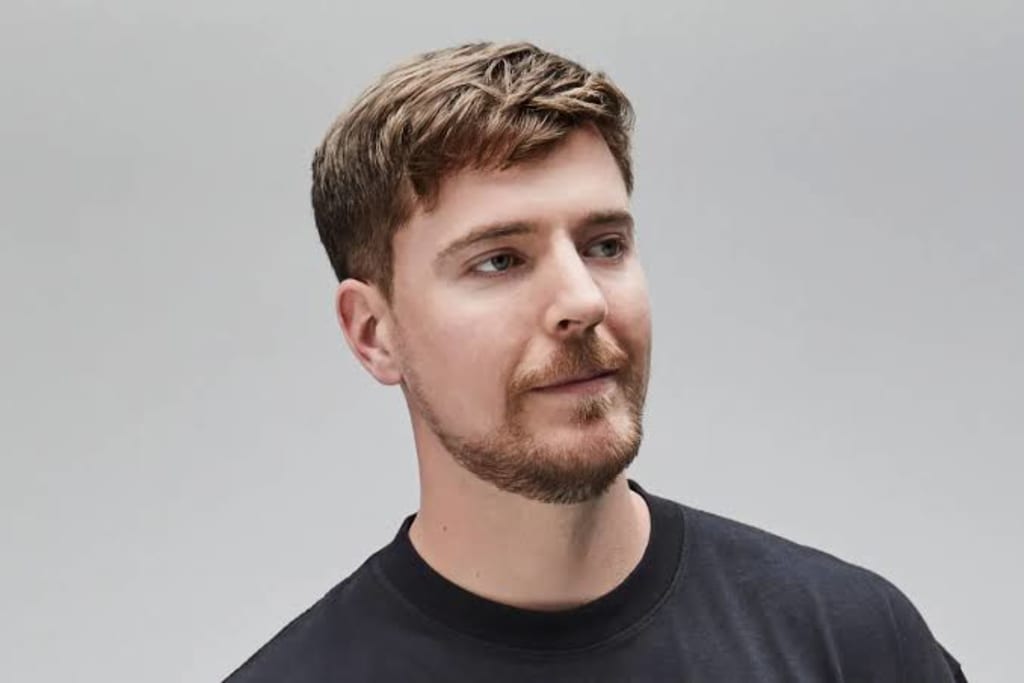
Jimmy Donaldson, better known as MrBeast, is no stranger to grand acts of kindness. With a YouTube channel boasting millions of subscribers and a reputation for philanthropy, he has changed countless lives, from funding surgeries to eradicating personal debts. Recently, MrBeast’s latest endeavor—helping 2,000 amputees regain mobility—has reignited debates about the state of the American healthcare system.
Transforming Lives, One Step at a Time
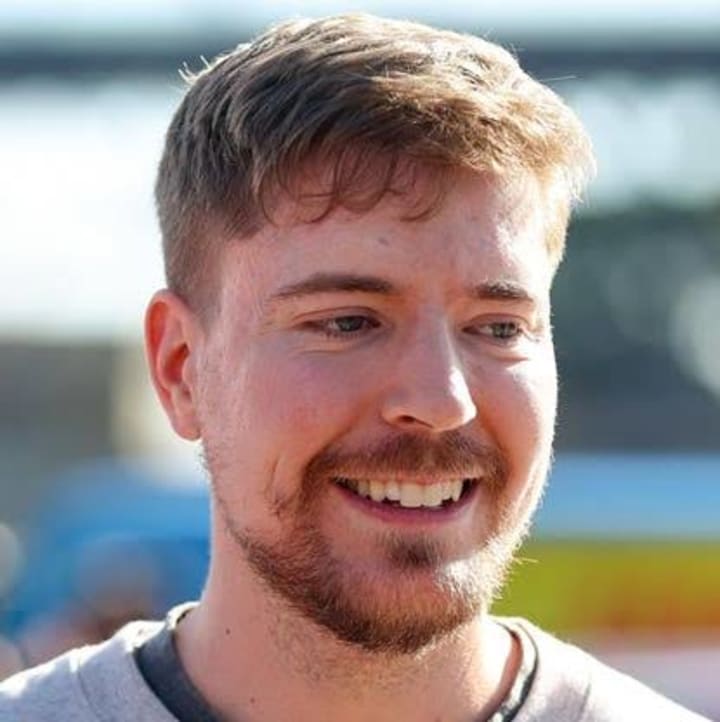
In a groundbreaking video, MrBeast showcased his mission to provide prosthetic limbs for 2,000 individuals who had lost their ability to walk. Partnering with specialized organizations and leveraging his platform to fund the initiative, he documented the emotional and physical transformations of those he helped.
For many, this was not just a chance to walk again but an opportunity to reclaim independence and dignity. The stories shared were heartwarming yet bittersweet, as they highlighted the hurdles faced by people unable to afford life-changing medical care on their own.
The Stark Reality of American Healthcare
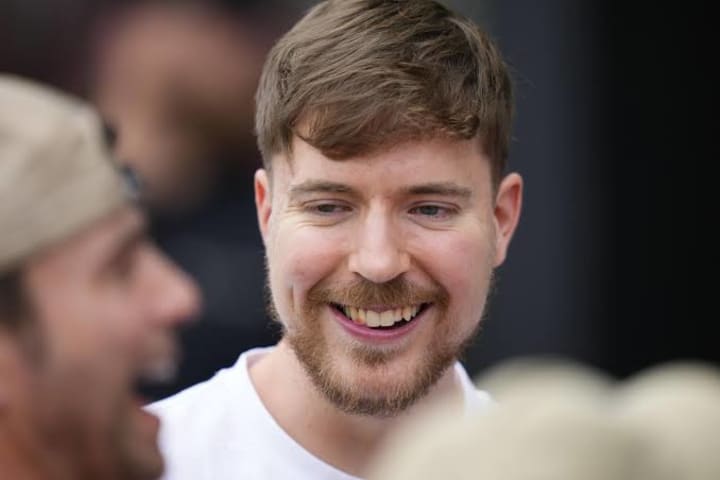
MrBeast’s video did more than bring tears to viewers’ eyes; it sparked outrage over the inequities in the American healthcare system. In one poignant moment, a recipient of a prosthetic limb revealed they had waited years for assistance due to the prohibitive costs of medical care. Another shared how they had given up hope entirely, believing their condition was a permanent sentence of immobility.
The U.S. healthcare system is infamous for its high costs and inaccessibility. Despite being one of the wealthiest nations globally, millions of Americans face financial ruin or go untreated due to the staggering expenses associated with medical procedures, medications, and devices. For amputees, the costs of prosthetic limbs—ranging from $5,000 to $50,000—are often insurmountable without insurance. Even with coverage, many find themselves battling insurance companies for approval or facing high out-of-pocket expenses.
MrBeast’s Call to Action
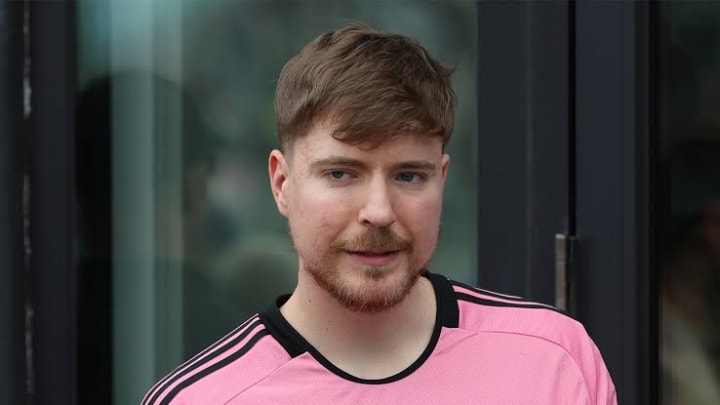
In the video’s closing remarks, MrBeast didn’t hold back in criticizing the system. “Why is it that someone like me, a YouTuber, has to step in to provide basic medical care?” he questioned. His words resonated deeply with viewers, sparking discussions online and across social media platforms about the moral responsibility of a nation to care for its citizens.
Many applauded MrBeast for using his influence and resources to make a difference. However, his efforts also highlighted a systemic issue: reliance on charitable acts to address gaps that should be covered by public health policies. While his generosity is commendable, it raises uncomfortable questions about the role of government, healthcare institutions, and corporations in ensuring access to essential services.
The Global Comparison
Countries with universal healthcare systems, such as Canada, the United Kingdom, and many European nations, offer a stark contrast to the U.S. model. In these countries, individuals in need of prosthetics or other essential medical interventions are typically covered through public funding, reducing financial barriers and improving quality of life.
The American model, by contrast, remains tied to employment-based insurance and privatized care, leaving millions uninsured or underinsured. Critics argue that this profit-driven approach prioritizes corporate interests over patient well-being, perpetuating cycles of inequality.
The Ripple Effect of Visibility
One of the most significant impacts of MrBeast’s video is the awareness it has generated. By putting a human face on the struggles faced by amputees and others in need, he has brought the conversation about healthcare reform back into the spotlight. Social media platforms were inundated with personal stories from individuals who have faced similar challenges, further underscoring the widespread nature of the issue.
Advocates for healthcare reform hope that this renewed attention will translate into action. Proposals such as Medicare for All or expanded public health options continue to gain traction, but they face significant opposition from powerful lobbying groups and political divisions.
Philanthropy vs. Policy
While philanthropy plays an essential role in addressing immediate needs, it is not a sustainable solution for systemic issues. Critics caution against viewing acts like MrBeast’s as substitutes for comprehensive reform. Relying on individual generosity can create a patchwork of aid, leaving many without support and perpetuating cycles of inequality.
MrBeast’s efforts, though extraordinary, should serve as a wake-up call rather than a solution. They highlight what is possible when resources are directed toward helping those in need but also underscore the inadequacy of a system that depends on such interventions.
Looking Forward
The question remains: what can be done to create a more equitable healthcare system? Solutions will require collaboration between policymakers, healthcare providers, and citizens. Key areas for reform include reducing the cost of medical devices and treatments, expanding insurance coverage, and ensuring that essential care is accessible to all, regardless of income.
Grassroots movements and public pressure will be crucial in driving change. By sharing stories, advocating for reform, and holding leaders accountable, individuals can help shape a future where acts of kindness like MrBeast’s are celebrated but no longer necessary to fill systemic gaps.
Conclusion: A Catalyst for Change
MrBeast’s initiative to help 2,000 amputees walk again is a testament to the power of compassion and the influence of social media. However, it also shines a harsh light on the failures of the American healthcare system. His actions have inspired millions and provided hope to those in need, but they also serve as a call to action for systemic reform.
As the conversation continues, one thing is clear: no one should have to rely on the goodwill of a YouTuber to access basic medical care. It’s time for the United States to address the root causes of its healthcare crisis and ensure that dignity and mobility are not luxuries but rights for all.
About the Creator
Keep reading
More stories from INFO INSIDER and writers in Cleats and other communities.
Which Movie Character Are You? Zodiac Signs Reimagined
Have you ever wondered which movie character embodies your personality? The answer might just lie in the stars. Each zodiac sign has distinct traits that can be mirrored in some of cinema’s most iconic characters. Read on to find out which character aligns with your zodiac sign and why!
By INFO INSIDER about a year ago in Cleats
Australian Open 2026: A Writer’s Perspective on the Future of the Grand Slam
Australian Open 2026: A Writer’s Perspective on the Future of the Grand Slam From my point of view, the Australian Open 2026 represents more than just the first Grand Slam of the tennis calendar. It feels like a reflection of where modern tennis is heading and how the sport continues to evolve while holding on to its traditions. Every January, Melbourne becomes the center of the tennis world, but in 2026 the tournament seems especially symbolic, standing at the crossroads of a new generation, advanced technology, and changing expectations from fans and players alike.
By America today a day ago in Cleats



Comments
There are no comments for this story
Be the first to respond and start the conversation.