
How to Choose the Best Badminton Racket for You
Best Badminton Racket


Choosing the right Badminton Racket can be a daunting task for many beginners and even intermediate players. With hundreds of different badminton rackets available on the market today, each boasting a wide range of features, making the right choice may feel overwhelming. This article will guide you through the key factors you need to consider — such as your skill level, playing style, racket specifications, and more — to help you find the perfect racket that matches your needs and enhances your performance on the court.
Understanding Your Playing Level and Its Influence on Racket Selection
One of the most important considerations when choosing a badminton racket is your current skill level. The racket you choose should complement your abilities and help you improve over time.
Beginner Level
Wide Sweet Spot: Beginner rackets typically have a larger sweet spot — the area on the racket face where the shuttle hits most effectively. This makes it easier to hit clean shots even if you don’t strike the shuttlecock perfectly in the center.
Swing Softness: Beginner rackets often have softer shafts and frames that provide more flexibility. This softness increases the power behind your shots with less effort but may reduce shot accuracy.
Materials: Entry-level rackets usually use cheaper materials, resulting in heavier and less flexible rackets. While this might make the racket more durable, it can also tire you faster during long play sessions.
Cost: Beginner rackets tend to be more affordable, making them ideal for those just starting without a big investment.
Intermediate Level
Balanced Features: Intermediate rackets strike a balance between power and control. They offer moderate flexibility and strength, allowing players to develop both precision and power.
Smaller Sweet Spot: The sweet spot size reduces slightly, encouraging players to refine their technique and improve shot accuracy.
Weight and Material: These rackets are generally lighter and made with better quality materials such as carbon fiber or graphite composites, offering better maneuverability and durability.
Professional Level
Maximum Precision and Power: Advanced rackets offer superior control, power, and responsiveness. They are usually very stiff, lightweight, and made from high-end materials like high modulus graphite or carbon nanotubes.
Requires Skill: Because of their stiffness and precision, professional rackets demand excellent technique and quick reflexes.
Tailored Specs: Many pros customize their rackets for specific playing styles, with options for very high string tensions and specialized grips.
Determining Your Personal Playstyle
Your playing style significantly influences which racket suits you best. Reflecting on how you play will help you make an informed decision.
Power Attacker
If you like to dominate the game with powerful smashes and aggressive shots from the backcourt, a head-heavy racket with a stiff shaft might be ideal. These rackets generate more momentum, helping you hit harder shots.
All-Rounder
If you prefer a balanced approach, combining attacking and defensive play, an even-balanced racket offers versatility. This type provides a good blend of power, control, and maneuverability.
Fast Rally Responder
For players who thrive on fast exchanges, quick reflexes, and rapid net play, a head-light racket is preferable. These rackets are easier to maneuver, allowing swift wrist movements and fast reactions.
Control & Touch Player
Players who focus on finesse, precise drop shots, and delicate net play benefit from rackets with flexible shafts and moderate weight, offering excellent control and touch.
Self-Assessment: Identify Your Weaknesses
Ask yourself:
Are your reflexes slow during fast rallies?
Do you struggle to generate enough power in your smashes?
Are your shots inconsistent or unstable?
By understanding your weaknesses, you can choose a racket that compensates for these issues and helps you improve.
Key Badminton Racket Specifications Explained
1. Racket Balance
The balance of a racket refers to where the majority of its weight is distributed. It greatly affects your playing style.
Balance TypeWeight ZoneCenter Balance (mm)Suitable ForHead HeavyHead of the racket>300 mmPower attackers, backcourt playEven BalanceEvenly distributed280–300 mmAll-round playersHead LightHandle side<280 mmNet players, fast reflexes
Head-heavy rackets provide more momentum for smashing and attacking.
Even balance rackets offer good control and versatility.
Head-light rackets allow quick wrist action and easier maneuvering, perfect for defensive players and net specialists.
2. Shaft Stiffness / Flexibility
The stiffness or flexibility of the shaft influences power and control.
StiffnessImpact on PerformanceIdeal Player TypeStiffHigh precision, less flexAdvanced players with fast swingsMediumBalanced force and accuracyIntermediate and versatile playersFlexibleEasier to generate power, less accuracyBeginners and players with slower swings
Players with short, explosive swings usually benefit from a stiffer shaft.
Players with long, slower swings will find a flexible shaft easier to use.
3. Racket Weight
Weight is often indicated in the industry standard “U” system:
WeightGram RangeDescription1U>94 gVery heavy, mostly for training2U90–94 gHeavy rackets3U85–89 gBalanced, common for singles4U80–84 gMost popular, good for doubles5U75–79 gLight, for quick reactions6U70–75 gUltralight7U60–69 gUltralight, very quick8U<60 gLightest, less common
Heavier rackets provide more power but can be tiring.
Lighter rackets improve speed and maneuverability but require more skill to generate power.
4. Grip Size
Choosing the right grip size affects comfort and control:
Grip SizeSymbolCircumference (mm)RecommendationExtra SmallG583 mmFor players with small handsSmallG486 mmMost popular choiceMediumG389 mmSuitable for average handsLargeG292 mmFor players with large handsExtra LargeG195 mmRarely used
Tip: It’s better to start with a smaller grip and add overgrip if needed for extra thickness.
5. String Tension and String Type
Higher string tension offers more control and precision but requires better technique.
Lower tension generates more power and a larger sweet spot, ideal for beginners.
Always check the racket’s maximum tension rating to avoid damage.
String types (nylon, synthetic gut, natural gut) affect durability and play feel.
Additional Factors to Consider
Brand and Price
While top brands like Yonex, Li-Ning, Victor, and Carlton are popular for their quality and innovation, the best racket for you isn’t always the most expensive. Focus on matching the racket specs to your skill level and style first.
Try Before You Buy
If possible, try out different rackets at a sports shop or borrow from friends. Feeling how a racket handles in real play is the best way to decide.
Final Thoughts: Finding Your Perfect Badminton Racket
Choosing a badminton racket is more than just picking a popular brand or the cheapest option. Your skill level, playing style, physical attributes, and personal preferences all play crucial roles. Take the time to analyze your playing style, test different rackets, and understand key racket specifications. Doing so will ensure you find a racket that feels comfortable and enhances your gameplay, giving you confidence and enjoyment every time you step on the court.
With the right racket, you’ll notice the difference immediately in your control, power, and overall performance. So, start your search thoughtfully and smash your way to badminton success!
About the Creator
Cody Logan
I am a professional Content Writer in :- E2bet
Keep reading
More stories from Cody Logan and writers in Cleats and other communities.
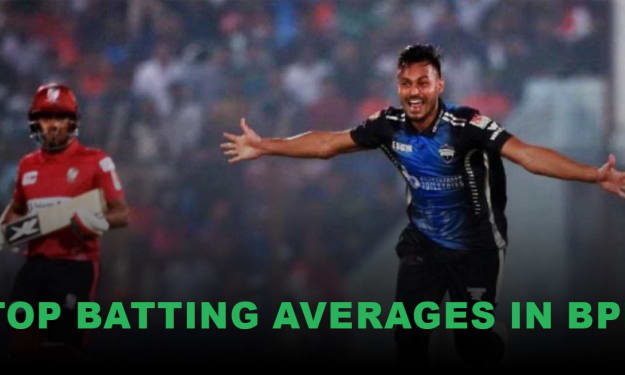
Top Batting Averages in BPL: Comilla Victorians
The Bangladesh Premier League (BPL) has evolved into one of the most exciting T20 leagues in the world, showcasing a plethora of talent from both domestic and international cricket. Among all the statistics and records, batting average remains one of the most consistent indicators of a player’s performance. The Comilla Victorians, a franchise known for their strategic gameplay and consistent success, have had several batters who maintained high batting averages throughout the seasons. This article delves deep into the Top Batting Averages in BPL, focusing particularly on players associated with the Comilla Victorians.
By Cody Logan8 months ago in Cleats
Top 5 Biggest Controversies in BBL History
The Big Bash League, commonly known as the BBL, is one of the most watched T20 cricket leagues in the world. Since its launch in 2011, the tournament has delivered high-scoring matches, packed crowds, and strong performances from Australian and overseas stars. The league is played during the December–January period and has become an important part of Australia's cricket calendar.
By Sports Record and Stats 5 days ago in Cleats
Top 5 Highest Successful Chases by New Zealand Against India in ODIs
New Zealand has always been a strong team when it comes to chasing big totals in One Day Internationals (ODIs). Over the years, they have produced some unforgettable performances against India. In this article, we explore the top 5 highest successful chases by New Zealand against India in ODIs. These matches highlight New Zealand's batting depth, strategic approach, and ability to handle pressure against a strong Indian bowling attack.
By Sports Record and Stats 7 days ago in Cleats


Comments (1)
I remember when I was starting out with badminton. I went for a beginner racket with a wide sweet spot, which really helped. But as I got better, I switched to an intermediate one for more control. How did you decide between beginner and intermediate-level rackets? It's also important to think about the materials. Cheaper ones might be durable but heavier. Have you noticed a big difference in performance between different material types?