
Former India All-Rounder Irfan Pathan Talks About Career End and Captain’s Influence on Playing XI
Irfan Pathan
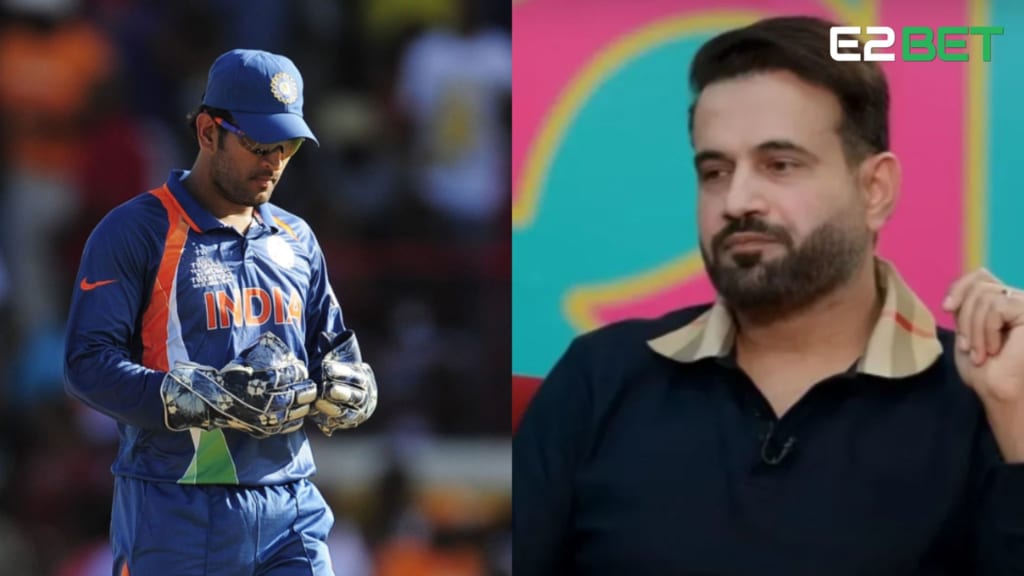
Former Indian cricketer Irfan Pathan was considered a vital asset for the Indian cricket team during a period when the side struggled to find quality fast bowlers and genuine all-rounders. His ability to open the bowling with pace and swing, coupled with his batting skills lower down the order, made him a versatile player who could fit into various team combinations. Between 2004 and 2009, Pathan was a consistent presence in the national side, contributing both with the ball and with the bat in crucial situations. His performances in ODIs, Tests, and T20s often turned matches in India’s favor, and he was widely praised for his capacity to swing the ball both ways while maintaining control in limited-overs cricket. However, with the emergence of younger talents and changing team dynamics, Pathan gradually found it increasingly difficult to retain his spot, eventually leading to his exclusion from the national team.
Reflecting on his career, Irfan revealed that despite his consistent performances, he felt unfairly dropped from the team. He candidly stated that after the kind of contributions he made, no other player would have been dropped for at least a year. His most memorable performance, alongside his brother Yusuf Pathan, came in a match against Sri Lanka where India chased down 60 runs in just 27-28 balls, securing a thrilling victory. “I was dropped from the team in 2009 when we were in New Zealand. Before that, my brother and I had won matches in Sri Lanka. In the situation in which we won, if there was someone else in our place, he would not have been dropped from the team for a year,” Irfan explained in an interview with The Lallantop.

He also spoke about his experience during India’s tour of New Zealand, where he was left out of the playing eleven multiple times. “I was benched in the first match, second match, and third match. The fourth match was drawn due to rain. I was not even in the last match. I then asked Gary sir why I was dropped. If I needed to improve something, he could have told me, but I wanted to know the reason,” he said. Irfan’s frustration highlights the challenges players often face when communication between the team management and cricketers is unclear or lacking.
Pathan further revealed that the ultimate decision on the playing eleven rested with the captain. “Kirsten told me two reasons. He said, ‘Some things are not in my hands.’ When I asked whose hands it was, he did not clarify. I already knew in whose hands it was. Playing XI is decided by the captain’s choice. I will not comment on whether that decision was right or wrong because every captain has the right to manage the team his way,” he said. This statement underlines how team selection in cricket is often influenced by the captain’s strategy and preferences, sometimes leaving talented players sidelined.
Another reason provided by Kirsten, according to Irfan, was the search for a batting all-rounder at number seven. “My brother was a batting all-rounder, while I was a bowling all-rounder. Both were different, but there was room for only one in the team. Nowadays, people would happily take both,” he remarked. This shows how team compositions and the value of multiple all-rounders have evolved over time, reflecting modern cricket’s strategic flexibility. Irfan’s insights offer a glimpse into the complexities behind team selection, the importance of player roles, and the personal challenges he faced during the later stages of his international career.
About the Creator
Keep reading
More stories from laradecruz and writers in Cleats and other communities.
Red Cards Haunt Mallorca as Barcelona Secure Dominant 3-0 Victory
Defending La Liga champions Barcelona began their 2025-26 season with a convincing display that highlighted both their attacking firepower and Mallorca’s disciplinary collapse. Hansi Flick’s men secured a commanding 3-0 victory, with goals from Raphinha, Ferran Torres, and teenage sensation Lamine Yamal, while Mallorca were reduced to nine men after two red cards in the first half. The match at Mallorca’s home ground quickly turned into a one-sided contest, as Barcelona dominated possession, created chance after chance, and capitalized on their opponent’s mistakes to make a strong opening statement in their title defense campaign.
By laradecruz5 months ago in Cleats
Top 5 Players with Most Days as No. 1 ODI Batter
One Day International (ODI) cricket has been one of the most popular formats of the game since its beginning in 1971. With only 50 overs available, batters must combine skill, patience, and smart shot selection to succeed. In such a competitive format, individual consistency becomes extremely important, especially when players are judged through ICC rankings. Holding the top position is a sign of dominance, but staying there for years is even more difficult. The record for most days as №1 ODI batter highlights the rare cricketers who performed at the highest level for long periods. These players scored runs in different conditions, against the best bowlers, and under constant pressure. This article focuses on the legends who achieved the most days as №1 ODI batter, showing why they stand above the rest in ODI history.
By Sports Record and Stats 3 days ago in Cleats
The Incomplete Mayo Cut Plug collector set
If you grew up around New England collectors, you probably heard about certain cards the same way older relatives talked about Ted Williams or Fenway before the renovations. Not as things they owned, but as things they once crossed paths with. An uncle might mention a tobacco card from the 1890s that passed through a local shop years ago, handled carefully, talked about for a bit, and then gone. More often than not, he was talking about the 1895 Mayo Cut Plug cards. The story usually carried a sense that you had missed something important.
By Glen Campbell5 days ago in Cleats




Comments
There are no comments for this story
Be the first to respond and start the conversation.