
BCCI looking for solutions to eliminate bias in selection: Reports
BCCI
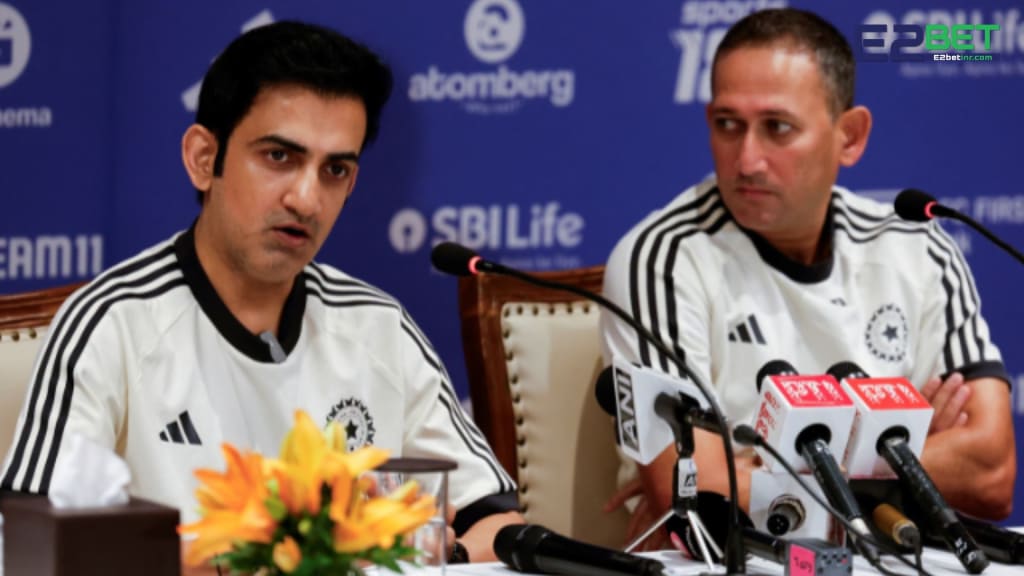
The Board of Control for Cricket in India (BCCI) is preparing to take a strict stance against a growing trend among Indian cricketers—selectively opting out of matches and series under the pretext of workload management. This new culture, where players choose to participate only in marquee events or certain tours, is beginning to disrupt team discipline and unity. With the support of newly appointed head coach Gautam Gambhir and chief selector Ajit Agarkar, the BCCI is now working to build a more disciplined and committed team culture. The objective is to establish clearer expectations for all centrally contracted players and restore a sense of national duty and equality within the squad.
Managing player workload has long been a balancing act for Indian cricket, especially with the packed international calendar and the rise of franchise T20 leagues. However, over the past few years, senior players have often been seen skipping bilateral series—especially overseas tours—claiming fitness or mental fatigue issues. While workload management is crucial, the BCCI believes that this trend has led to a divide in the team and favoritism towards star players. In contrast, players like Mohammad Siraj, who showed exceptional commitment during the England tour, are being praised for their professionalism and dedication to the national team.
Gautam Gambhir, known for his no-nonsense approach, has always been against "star culture"—a phenomenon where star players receive preferential treatment. According to him, the Indian team’s success must always take precedence over individual aspirations. His vision, now echoed by the selection committee and the BCCI, is to develop a team where every player is equally accountable and committed. The management has reportedly decided to formally address this issue by issuing a directive to all contracted players, stating that skipping assignments without substantial reasoning will not be tolerated going forward.
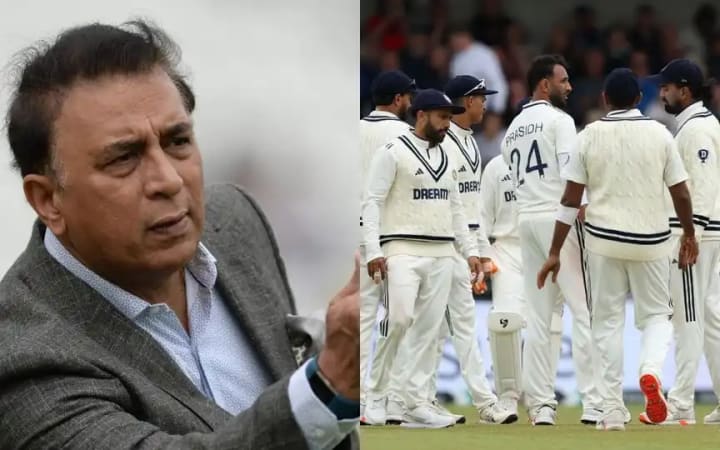
In light of this shift, Indian cricket legend Sunil Gavaskar also expressed strong disapproval of players who prioritize personal comfort over national duty. Gavaskar, a veteran who played in an era of far fewer amenities and rest opportunities, compared modern cricketers to the brave soldiers of the country, pointing out that while soldiers serve in extreme conditions without complaint, players refusing to play due to 'workload' appear selfish in comparison. His comments gained traction particularly after Jasprit Bumrah opted out of the fifth Test match against England, citing workload concerns, despite being one of India’s most vital pace assets.
This dissatisfaction has led the BCCI to revive and strengthen the fitness and sports science program at the National Cricket Academy’s Center of Excellence. The aim is to ensure players’ injuries and fitness levels are scientifically tracked and verified, reducing the chances of unjustified withdrawals from matches. By doing so, the board wants to clearly differentiate between legitimate fitness concerns and convenient excuses.
The message from the board, Gambhir, and the selectors is loud and clear: the privilege of representing India comes with responsibility. Going forward, the BCCI plans to enforce more transparent and stringent guidelines around player availability, fitness standards, and commitment. With Gambhir at the helm and a renewed focus on team values over individual stardom, Indian cricket is poised for a cultural reset—one where dedication, discipline, and unity become non-negotiable traits.
About the Creator
Keep reading
More stories from laradecruz and writers in Cleats and other communities.
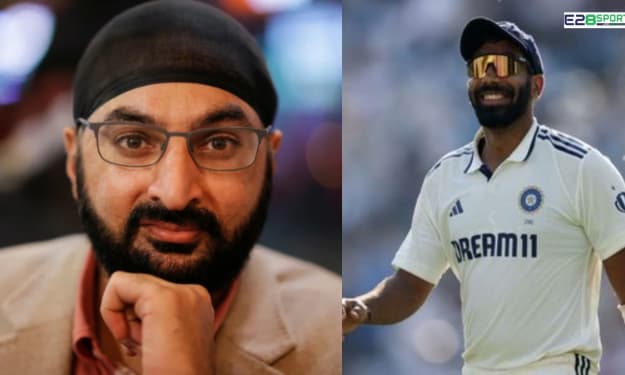
ENG VS IND 2025: “India is not dependent on Jasprit Bumrah” Former English spinner Monty Panesar made a big statement
Former England cricketer Monty Panesar has sparked a new conversation in the cricketing world with his recent remarks about India’s bowling attack. Panesar, known for his sharp cricketing insights, believes that Team India's dependency on star pacer Jasprit Bumrah is gradually fading. He pointed out that during the recently concluded Tendulkar-Anderson Trophy series, India’s performance was collectively strong in matches where Bumrah featured. However, what caught attention was how India often performed even better in matches where Bumrah was absent. According to Panesar, this is a clear indication that India has built a well-rounded and independent bowling lineup.
By laradecruz7 months ago in Cleats
REEEEEEEEE!
I'm on a low road right now. There are a literal million things to do and not one of them worth my time. I would rather sit in place and burn but the orbit takes me on its inevitable route 'round the center; and I a center in my own right, around which others orbit, and so on and so forth, ad infinitum, ad nauseum.
By C. Rommial Butler5 days ago in Poets


Comments
There are no comments for this story
Be the first to respond and start the conversation.