
Athletic Shoes
Wearing the appropriate athletic shoe for specific sports activities can improve comfort and performance and, most importantly, prevent injuries. Sports can place tremendous pressure on the feet, ankles, and legs. Running and jumping, for example, generate an impact force through the legs that is three to five times a person's body weight.
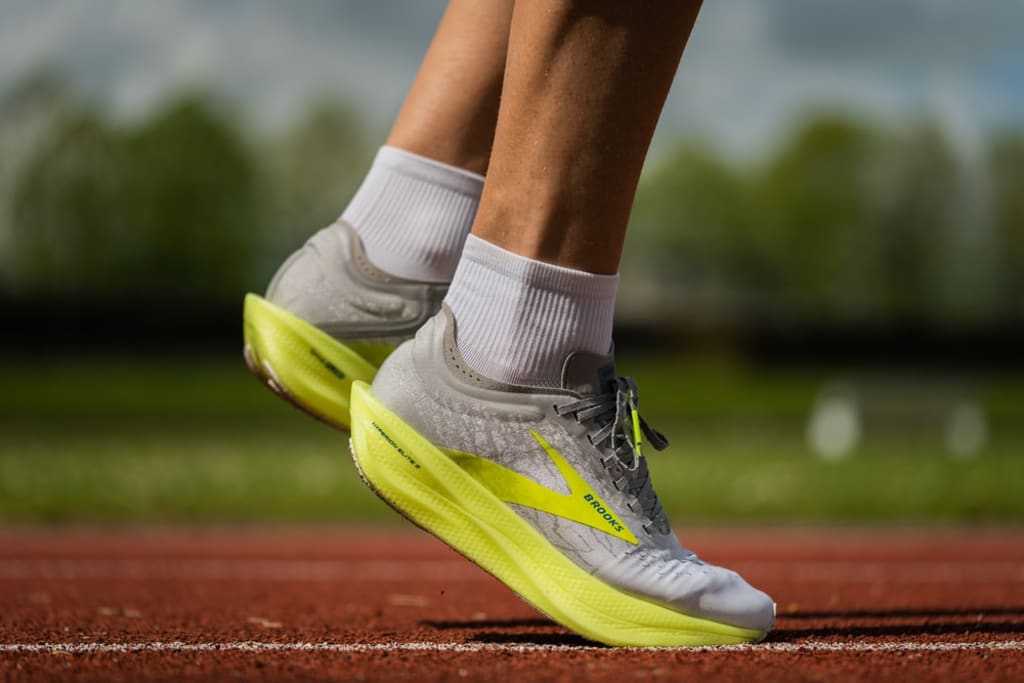
Wearing the appropriate athletic shoe for specific sports activities can improve comfort and performance and, most importantly, prevent injuries. Sports can place tremendous pressure on the feet, ankles, and legs. Running and jumping, for example, generate an impact force through the legs that is three to five times a person's body weight.
Today's athletic shoes are designed with specific activities in mind. If you participate in a single sport more than two times a week, you should purchase a shoe specifically designed for that sport — a running shoe, court shoe, cleats, or hiking shoe. If you are active in many different forms of exercise each week, a cross-training shoe may be the best choice.Tips for Finding the Right Athletic Shoe
When possible, shop at a store that caters to the sport in which you participate. If you are a runner, go to a running store; if you are a tennis player, purchase your shoes at a tennis shop. If this is not possible, do some research before shopping to find out what type of shoe is most appropriate for your favorite sport.
Because your feet swell throughout the day, try on shoes at the end of the day or after a workout.
To ensure a proper fit, wear the same type of sock that you typically wear when you are participating in the sport for which you are buying the shoes.
Make sure the heel counter — the back of the shoe that holds the heel in place — adequately grips your heel to ensure stability.
There should be at least a 1/2 inch space between your longest toe and the tip of your shoes.The toe box — the front area of the shoe — should have ample room so that you can wiggle your toes. Your toes should never feel cramped in an athletic shoe.
When you try on shoes, walk around the store on different surfaces (carpet and tile, for example) to ensure that they are comfortable.
Always tighten the laces of the shoes that you are trying on so that your feet are secure in the shoe. There are many different types of lacing patterns that can be applied to the shoe to adapt to the structure of the foot.
Try on both the right and the left shoes to make sure that they fit. Also, inspect the shoes on a level surface to ensure that they are straight, even, and without defects.
Make sure that the shoes have not been sitting on the shelf for an extended period of time. While the materials of an athletic shoe are designed to accommodate a lot of stress, the cushioning may become less effective over time, even without use.
Types of Athletic Shoes Cushioned or "neutral" shoes are designed for runners with high arched, rigid feet. A runner with this type of foot is classified as a "supinator." The midsole of a cushioned running shoe will generally have a single color of soft foam material, ethylene vinyl acetate (EVA), in the arch and heel. A moldable synthetic material, EVA has varying density properties to provide more or less cushion in the shoe.
Stability shoes provide light to moderate stability for individuals with an arch that may collapse while running. This type of runner, classified as a "pronator," needs to maintain his or her arch while running. Stability shoes may have two to three different shades of gray polyurethane material in the arch, and possibly the heel, each with a different density to provide more support for the pronated (flat) foot type. The polyurethane material will make the shoe feel heavier than a shoe made only with EVA. The manufacturer may also add other components to the shoe to help add stability.
About the Creator
Chelsea Appoint Liam Rosenior: Why the Blues Chose the ‘Innovator’ to Succeed Maresca
Less than two years after his dismissal from Hull City, Liam Rosenior has completed one of the most remarkable managerial rises in European football by being appointed Chelsea head coach. The 41-year-old arrives at Stamford Bridge after an impressive 18-month spell at Strasbourg, Chelsea’s sister club under the BlueCo ownership model.
By Sneaha Zynii7 days ago in Cleats
Ole Gunnar Solskjaer Emerges as Leading Contender for Man Utd Interim Manager Role
Manchester United are reportedly lining up Ole Gunnar Solskjaer to return as interim manager for the second time following the recent sacking of Ruben Amorim. Solskjaer, who first served as caretaker manager for 17 games in the 2018-19 season before being made permanent, is now considered the frontrunner to take charge until the end of the season.
By Sneaha Zynii7 days ago in Cleats




Comments
There are no comments for this story
Be the first to respond and start the conversation.