
An Act of Cowardice: Sir Jim Ratcliffe Under Fire for Controversial Cost-Cutting Measures at Manchester United
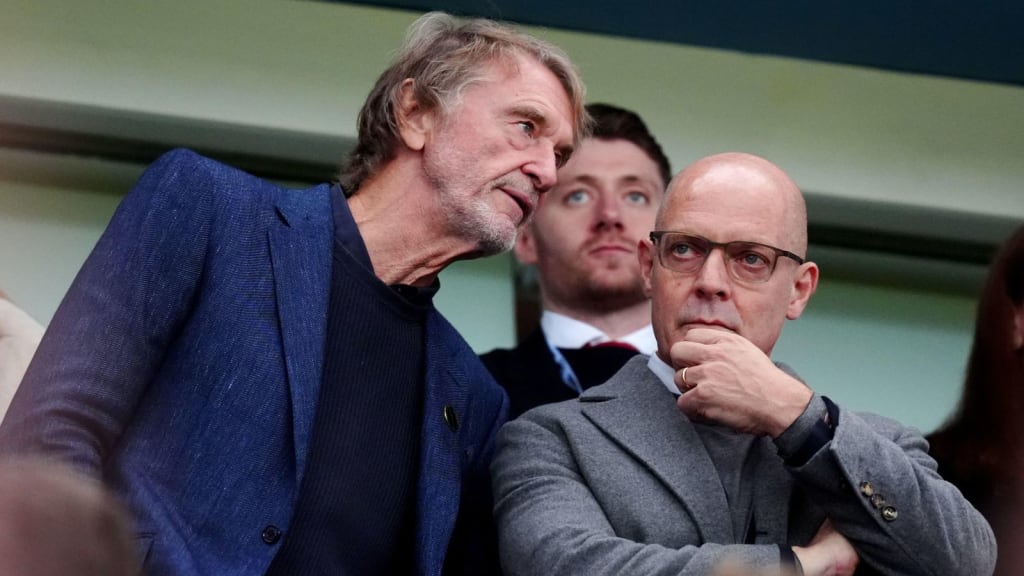
Manchester United fans are no strangers to controversy and turmoil surrounding their beloved club, but the recent backlash directed at co-owner Sir Jim Ratcliffe has sparked widespread outrage. Vocal supporter group The 1958 has issued a scathing critique, accusing Ratcliffe of showing "total contempt" for fans and disregarding the foundational values of the club.

What Happened?
Sir Jim Ratcliffe, who gained a 25% stake in Manchester United and assumed control of the club’s sporting operations last year, initially garnered widespread support as a local entrepreneur with promises of revitalizing the club. However, this optimism has since soured due to several decisions perceived as insensitive and damaging to the fanbase.
Among the most contentious measures implemented under Ratcliffe’s tenure are:
- Ticket Price Hikes: All match tickets now cost £66, with concessions for children and pensioners eliminated.
- Cuts to Disabled Support: A 50% reduction in support for disabled fans has drawn sharp criticism.
- Termination of Charitable Donations: The club has ceased contributions to an organization supporting former players who played during less lucrative eras of football.
- Staff Redundancies: Over 250 staff members were made redundant, further straining morale within the club.
Steward Reductions: Cuts to steward numbers and bonuses have led to longer queues and decreased matchday efficiency.
Fans argue that these measures undermine the club’s working-class roots and create a disconnect between the management and the fanbase.
The Bigger Picture
While cost-cutting measures were framed as a necessary response to financial challenges, critics argue that these steps reflect a deeper issue: a lack of understanding and empathy for what Manchester United represents. The club’s wage bill remains staggeringly high, compounded by recent managerial missteps. For instance, Erik ten Hag was dismissed just months after signing a new contract, incurring significant compensation costs. This was followed by the hiring of Ruben Amorim, whose release clause added to the financial burden. Similarly, sporting director Dan Ashworth was let go after just five months in a costly move.
The financial strain imposed by the Glazers’ ownership, including crippling debt and interest payments, also looms large. Instead of addressing these broader structural issues, Ratcliffe’s approach appears to target the most vulnerable sections of the club’s community, from match-going fans to lower-level staff members.
What The 1958 Said
The 1958, a passionate and vocal supporter group, did not hold back in their condemnation of Ratcliffe. In a strongly worded statement, they highlighted the disparity between Ratcliffe’s promises and his actions:
“A year of INEOS and Sir Jim promised so much after the generational damage caused by Glazer ownership. Sir Jim stated he wanted to put ‘The Manchester back into Manchester United.’ Everyone thinking a local lad would understand the community, the working class, and the fabric of our great club. Far from it, and the disgraceful comments in the recent interview comparing United to Fulham back this up. Actions will always speak louder than words. All the evidence so far shows a different picture.”
The group specifically called out Ratcliffe’s strategy as “penny wise and pound foolish,” criticizing his focus on cost-cutting rather than addressing systemic issues. They also pointed to the ongoing financial extraction by the Glazers, arguing that Ratcliffe’s measures exacerbate the exploitation of the club.
A Divisive Figure
Ratcliffe’s local origins initially positioned him as a potential savior for Manchester United. However, his recent actions have painted a starkly different picture. Comments comparing Manchester United to Fulham were seen as tone-deaf and indicative of a lack of understanding of the club’s stature and heritage. For many fans, these comments encapsulate the disconnect between Ratcliffe’s leadership and the ethos of the club.

On-Field Struggles Compound Issues
Manchester United’s woes are not confined to the boardroom. The team’s on-field performance under new manager Ruben Amorim has been underwhelming, with the club languishing in the bottom half of the Premier League table. Recent losses to Tottenham, Bournemouth, and Wolves have only deepened the sense of crisis.
While fans may tolerate off-field issues when the team is performing well, the current lackluster results have intensified scrutiny on Ratcliffe’s leadership. Monday’s upcoming match against Newcastle at Old Trafford offers a chance for redemption, but even a victory will not erase the broader discontent.
Fan Culture Under Threat
The 1958’s statement warned of the long-term consequences of inaction. They fear that continued mismanagement and disregard for the fanbase will erode the club’s identity, reducing it to a sterile, corporate entity devoid of its rich history and passionate culture.
“If we do nothing as a fan base, there will be no more rivalries, no more fan culture. Only tourists and corporates happy for a day out with no emotional attachment,” the group stated.
This rallying cry underscores the urgency of the situation, urging fans and supporters’ organizations to unite in defense of the club’s heritage.
What Lies Ahead?
Ratcliffe’s tenure at Manchester United has reached a critical juncture. To restore faith among fans, he must take decisive steps to address their concerns:
- Revisit Cost-Cutting Measures: Reinstating concessions for children, pensioners, and disabled fans would go a long way toward repairing relations with the fanbase.
- Focus on Structural Issues: Tackling the debt and financial mismanagement left by the Glazers should be a priority over targeting vulnerable segments of the fanbase.
- Engage with Fans: Establishing open lines of communication with supporter groups like The 1958 and MUST could help bridge the growing divide.
- Improve On-Field Performance: Success on the pitch is essential for alleviating broader frustrations. Investing in the squad and providing stability in the managerial role are crucial.
About the Creator
Oliver Shaw
A passionate football enthusiast who loves watching matches and diving into detailed game analysis. Skilled at breaking down strategies and team dynamics. Always eager to share insights and spark engaging discussions about the game.
Keep reading
More stories from Oliver Shaw and writers in Cleats and other communities.
Top 5 Players with Most Days as No. 1 ODI Batter
One Day International (ODI) cricket has been one of the most popular formats of the game since its beginning in 1971. With only 50 overs available, batters must combine skill, patience, and smart shot selection to succeed. In such a competitive format, individual consistency becomes extremely important, especially when players are judged through ICC rankings. Holding the top position is a sign of dominance, but staying there for years is even more difficult. The record for most days as №1 ODI batter highlights the rare cricketers who performed at the highest level for long periods. These players scored runs in different conditions, against the best bowlers, and under constant pressure. This article focuses on the legends who achieved the most days as №1 ODI batter, showing why they stand above the rest in ODI history.
By Sports Record and Stats 7 days ago in Cleats
What Marc Guehi Brings to Manchester City After £20m Move from Crystal Palace
Manchester City have strengthened their defence by completing the signing of England international Marc Guehi from Crystal Palace for an initial £20 million. The 25-year-old centre-back has signed a five-and-a-half-year contract at the Etihad Stadium, keeping him at Manchester City until 2031.
By Sneaha Zynii4 days ago in Cleats


Comments
There are no comments for this story
Be the first to respond and start the conversation.