
Zamurd Stone: The Complete Guide to the Emerald of the East
The Complete Guide to the Emerald of the East

Introduction to Zamurd Stone
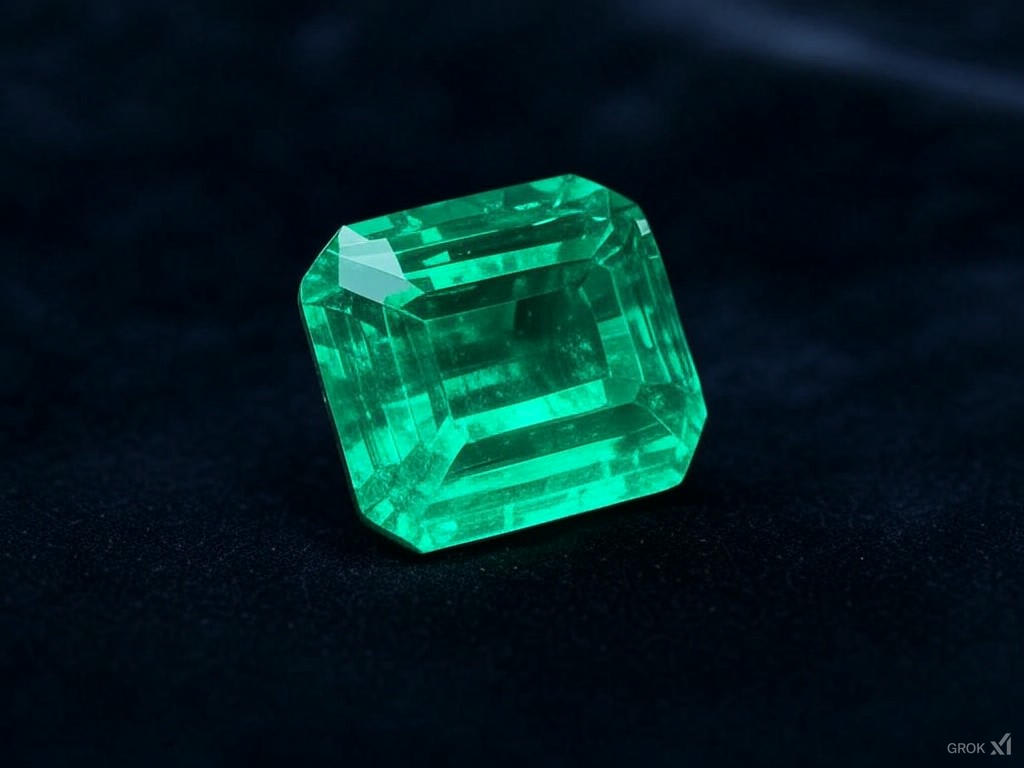
Zamurd stone, more commonly known as emerald, is one of the most coveted gemstones in the world. Renowned for its deep green hue, historical significance, and spiritual properties, Zamurd has held a prominent place in the world of gemology, astrology, and luxury jewelry. Often mined in regions like Pakistan, Afghanistan, Colombia, and Brazil, this gem is considered a symbol of wealth, power, and eternal youth.
Origin and Etymology of Zamurd
The term "Zamurd" is derived from the Persian word for emerald. Historically, the stone has been referenced in ancient Vedic texts, Middle Eastern manuscripts, and European chronicles. With centuries of trade between Asia and Europe, the name "Zamurd" has remained synonymous with rare and high-quality emeralds, especially from South Asia.
Geological Formation of Zamurd
Zamurd stones are formed under extreme geological conditions where beryllium, chromium, and vanadium interact within the Earth's crust. These trace elements give emeralds their signature green color. Original Zamurd stones often crystallize in hydrothermal veins or pegmatite deposits, which makes their mining complex and adds to their rarity.
Primary Sources of Zamurd Stone
Swat Valley, Pakistan – Known for producing fine green emeralds with exceptional clarity.
Panjshir, Afghanistan – Offers stones rivaling Colombian emeralds in quality.
Muzo and Chivor, Colombia – Yield emeralds with the most vibrant green tones.
Minas Gerais, Brazil – Produces emeralds with slightly bluish-green tones and larger crystal sizes.
Physical and Optical Properties of Zamurd
Chemical Formula: Be₃Al₂(SiO₃)₆
Hardness: 7.5–8 on the Mohs scale
Refractive Index: 1.577–1.583
Specific Gravity: 2.70–2.78
Crystal System: Hexagonal
Zamurd stones exhibit vitreous luster, pleochroism (color variation when viewed from different angles), and internal inclusions, often described as the "jardin" (French for garden), which are seen as a mark of authenticity.
Astrological Significance of Zamurd Stone
In Vedic astrology, Zamurd is associated with the planet Mercury (Budh). It is believed to enhance the wearer's intelligence, communication, and financial prosperity. Ideal for zodiac signs like Gemini and Virgo, wearing Zamurd is said to improve speech clarity, memory, creativity, and analytical thinking.
Benefits of Wearing Zamurd
Boosts intellect and communication
Enhances professional success, especially for those in education, finance, and law
Improves relationships and social bonds
Heals emotional trauma and promotes mental stability
Increases business acumen and negotiation skills
How to Identify Original Zamurd Stone
Identifying genuine Zamurd stones requires careful inspection. Here are key features to consider:
Color: Pure green with slight bluish undertones is highly valued.
Clarity: Natural inclusions should be visible but not overly distracting.
Cut: A well-cut Zamurd maximizes brilliance and color uniformity.
Transparency: Higher transparency equates to better quality.
Certification: Always demand gemological certification from reputable labs like GIA, IGI, or AGS.
Types and Grades of Zamurd Stone
Zamurd stones are graded based on their color, clarity, cut, and carat weight (the 4 Cs).
Types by Origin
Colombian Zamurd: Rich green with high clarity; considered the world’s best.
Afghan Zamurd: Deep green, often more affordable with slightly more inclusions.
Pakistani Zamurd: Vivid color with moderate inclusions, ideal for astrological purposes.
Brazilian Zamurd: Lighter tone and often used in larger jewelry pieces.
Grades
AAA Grade: Exceptional color, flawless or near-flawless clarity.
AA Grade: Rich color, minor inclusions visible under magnification.
A Grade: Acceptable for jewelry with more visible inclusions.
Zamurd in Jewelry Design
Zamurd is a centerpiece in luxury jewelry, from royal necklaces to custom engagement rings. Jewelers prefer emerald cut, oval, and pear-shaped Zamurd stones to highlight their natural color and brilliance. Common settings include:
- Gold and Platinum Rings
- Pendant Necklaces
- Earrings and Bracelets
- Crown and Brooch Designs
Its unique aesthetic and symbolic value make it a popular gift for anniversaries, engagements, and spiritual ceremonies.
Care and Maintenance of Zamurd
Despite its relatively high hardness, Zamurd is prone to internal fractures. Proper care is essential:
- Avoid ultrasonic cleaners or harsh detergents.
- Clean with lukewarm water and a soft brush.
- Store separately to prevent scratching.
- Re-oiling may be required every few years to maintain luster.
- Pricing of Zamurd Stone
Prices vary widely depending on origin, carat weight, and clarity. Approximate ranges:
Low Grade (A): $50 – $300 per carat
Medium Grade (AA): $300 – $1,500 per carat
High Grade (AAA): $2,000 – $10,000+ per carat
- Factors Influencing Price
- Color saturation and tone
- Clarity and visible inclusions
- Stone origin
- Treatment history (e.g., oiling or enhancement)
- Certification
Zamurd Stone in History and Culture
Historically, Zamurd has been associated with royalty, healing, and divine knowledge. Cleopatra was known for her emerald collection, and Mughal emperors in India considered it a stone of protection and wisdom. It has been found in the crowns of European monarchs, ancient manuscripts, and even religious artifacts.
Synthetic and Treated Zamurd Stones
- Due to high demand, synthetic emeralds and treated Zamurd stones are common in the market.
- Synthetic Zamurd: Lab-created but chemically identical. Less expensive, but lacks natural inclusions.
- Treated Zamurd: Often oiled or dyed to enhance color and clarity. Buyers should always inquire about treatments.
Buying Tips for Zamurd Stone
- Request certification from recognized gemological labs.
- Buy from reputable dealers or gem fairs.
- Inspect clarity and cut under magnification.
- Choose origin and color based on preference and budget.
- Understand the refund and exchange policy.
Conclusion
Zamurd stone is more than just a beautiful gem—it is a symbol of spiritual power, intellectual clarity, and timeless beauty. Whether used for astrological benefits, fashion statements, or investment purposes, Zamurd continues to captivate hearts around the globe.
About the Creator
pmkkgems
Pmkk gems is a trusted seller from 53 Year in Gemstone in Johari Bazaar Jaipur. Pmkk Gems is dealing in all kinds of Natural Precious Gemstones, Semi Precious Gemstone, Rudraksha and Customize Jewelry world Wide.
Search for a Sister, Chapter Two
4-H-N heard not a word about her secret mission around Headquarters over the following days, so had to conclude either Mini-Flash Phytolith hadn’t been listening in after all, or she’d misjudged him. She hoped it was the latter, as she wanted the pair of them to get on, even if he wasn’t going out of his way to make it easy for her.
By Doc Sherwood19 days ago in Chapters


Comments
There are no comments for this story
Be the first to respond and start the conversation.