
Why Are Airplanes White?
The Science Behind Aircraft Colors


White Airplanes: More Than Just an Aesthetic Choice
Have you ever noticed that most commercial airplanes are painted white? Whether it's a major airline or a private jet, white seems to be the predominant color. This is not just a matter of aesthetics or fashion—it has solid engineering, scientific, and economic reasons behind it. Let's explore why most airplanes are painted white.
1. Reflects Heat and Reduces Aircraft Temperature ☀️

One of the main reasons airplanes are painted white is to reflect sunlight. White surfaces reflect heat better than darker colors like black or navy blue, which absorb heat more. If an aircraft were painted a darker color, it would retain more heat, raising the cabin temperature. This would force the cooling system to work harder, consuming more energy.
Additionally, excessive heat can cause wear and tear on certain aircraft components, leading to potential long-term damage. White paint helps minimize these risks, ensuring not only passenger comfort but also the longevity of the aircraft’s materials.
2. Reduces Paint Fading and Maintenance Costs 🎨

Colors like red, blue, or green may look vibrant initially, but prolonged exposure to UV radiation causes them to fade. This leads to higher maintenance costs, as airlines would need to repaint aircraft frequently. The cost of repainting a single aircraft can range from tens of thousands to hundreds of thousands of dollars, making it a significant expense.
White paint, however, resists fading and keeps the airplane looking newer for longer, reducing the need for repainting and lowering operational costs. Since white doesn’t deteriorate as quickly as darker shades, airlines can save a considerable amount on aesthetic upkeep.
3. Enhances Visibility for Damage Inspection 🔍
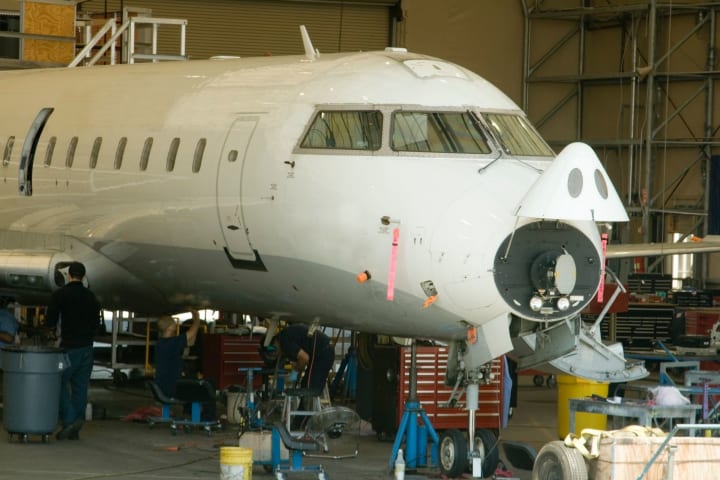
Routine aircraft inspections are crucial for passenger safety. White paint makes it easier to spot structural cracks, oil leaks, or dents compared to darker colors. Even small imperfections can be easily detected when contrasted against a white surface, which helps maintenance crews detect and fix issues quickly before they become serious.
Furthermore, in emergency situations, a white airplane is easier to spot from a distance, whether it's on land or water. Search-and-rescue operations have a higher chance of locating a white aircraft compared to one with a darker or camouflaged color.
4. Improves Resale Value and Lowers Repainting Costs ✈️💰

Airlines frequently update their fleets, often selling used aircraft to other airlines or leasing companies. White-painted airplanes are easier to repaint for a new owner since they don’t require extensive paint stripping. Stripping and repainting a dark-colored aircraft can take longer and be more expensive compared to working with a white fuselage.
Additionally, a white aircraft has more universal appeal, making it more attractive for resale. This means airlines and leasing companies can maximize the aircraft’s market value when it comes time to retire or sell the plane.
5. Increases Bird Visibility to Reduce Collisions 🐦

A white aircraft is more visible in the sky, making it easier for birds to spot and avoid. Bird strikes are a significant concern in aviation as they can cause serious damage to engines and windshields, endangering both passengers and crew.
While radar and other technologies are used to prevent bird strikes, having a highly visible white aircraft provides an added layer of safety. Birds are less likely to collide with an object they can see clearly, reducing the likelihood of bird-related aviation accidents.
6. Lighter Paint Means Less Weight and Fuel Efficiency ⚖️⛽

Though it may seem minor, the weight of paint on an aircraft can add up. A fully painted aircraft can carry several hundred pounds of paint, depending on the design. Darker colors often require multiple layers of paint to achieve full coverage, whereas white provides sufficient opacity with fewer layers.
By reducing the amount of paint needed, airlines can slightly decrease the aircraft’s overall weight, leading to improved fuel efficiency. Over thousands of flights per year, this translates to fuel savings and lower operational costs.
Why Do Some Airlines Use Other Colors?

Despite the advantages of white, some airlines use bright colors to establish brand identity. For example, Southwest Airlines is known for its blue and red livery, while Lufthansa features a white fuselage with a dark blue tail. Other airlines, such as Hawaiian Airlines, incorporate colorful designs on their aircraft to reflect their cultural heritage and differentiate themselves in a competitive market.
However, even these airlines use white as the primary color due to its practical benefits. Typically, the additional colors are applied only to the tail, wingtips, or special designs on the fuselage, keeping the core advantages of white paint intact.
White isn’t just an aesthetic choice—it’s a practical decision based on safety, maintenance, energy efficiency, and cost savings. Whether it’s a commercial aircraft or a private jet, white remains the best choice for airlines looking to optimize performance and reduce expenses.
Next time you see a white airplane in the sky, you'll know there’s more to it than just looks! The science and economics behind the color choice make white the most efficient and reliable option for aviation. ✈️😊
About the Creator
S.Phairat
We bring you concise summaries of fascinating articles and stories across various topics news, science, technology, culture, and everyday life.
Holler Hobby Living
When you holler through your hobbies does your throat hurt? Or do you get more out of your hobbies when you scream about them? Or do you holler about your hobbies and go after them all at the same time? What holler hobby living can mean to you, is it finding the things that you enjoy doing and that relax you holler about them and get them to where you want them in your life. The more you holler when doing your hobbies you get further with them because you push yourself to go after the hobbies that you want. The more you do this the more you will get out of life. Now some people might say that hollering about hobbies doesn’t get them anywhere but if you really want your hobbies and life to work for yourself then hollering while doing them and pushing yourself to do them is a great thing. The more you put your hobbies and life together and go after them, the more you do this the more you get out of your life. Hobby living is all around us. We just have to holler and go after them in the way that works for you.
By Louise Barraco4 days ago in Chapters


Comments
There are no comments for this story
Be the first to respond and start the conversation.