
When Massage Hurts: Understanding Therapeutic Discomfort Vs Pain
Not all pressure is painful! Learn the difference between discomfort and real pain during massage therapy session for a safer and better experience.

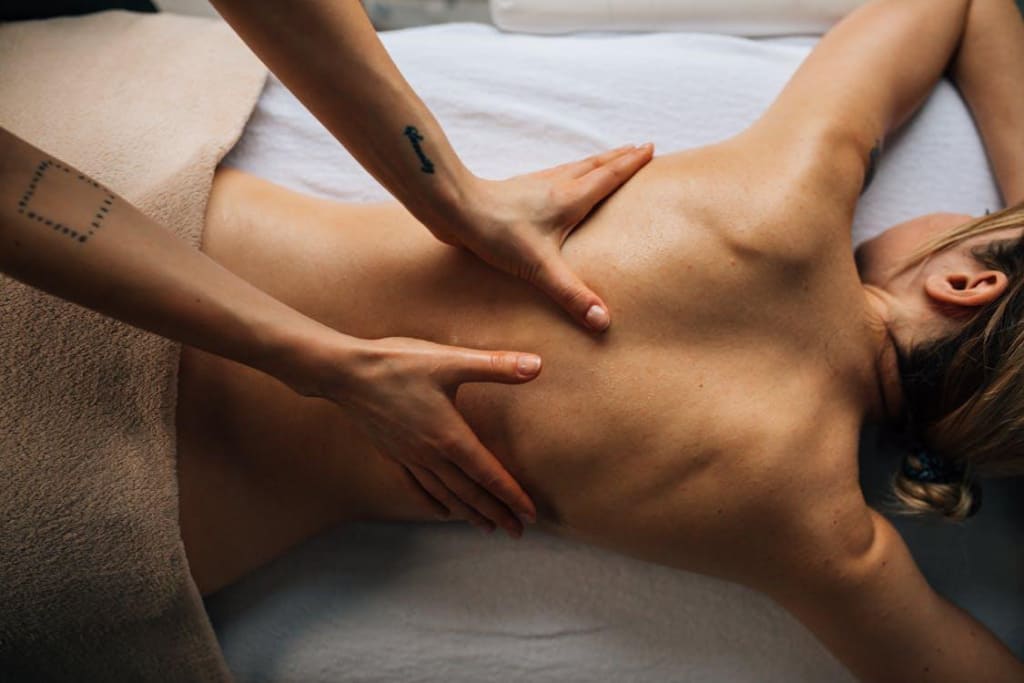
Massage offers a powerful way to relieve tension, reduce stress, and heal the body. But what happens when a massage hurts? How do you tell the difference between helpful pressure and harmful pain during a session? For many people new to massage therapy, this can feel confusing or even scary.
The team at Healing Oasis Massage & Wellness understands this common concern and want clients to feel confident and safe when booking their massage appointment in Edmonton. Knowing the difference between productive discomfort and pain improves communication with your massage therapist and helps you get the most out of your treatment.
In this blog, we’ll break down what to expect during massage treatments, explain why some discomfort is normal, and highlight signs that the pressure might be too much. Whether you’re booking a deep tissue massage, a relaxation massage, or a specialized treatment like manual osteopathy, knowing when to speak up makes your session more effective and enjoyable.
Why Does Massage Sometimes Hurt?
Massage is designed to work on muscles, connective tissues, and even fascia to release knots, improve circulation, and promote healing. Sometimes, the areas that need the most attention feel sore or tender because of tightness, adhesions, or inflammation.
Therapeutic discomfort happens when muscles start to loosen or when deep pressure targets trigger points (aka “knots”). This type of discomfort is a signal that the body is responding to treatment. It can feel like a dull ache or tightness, and it usually eases up after the session or the next day.
On the other hand, pain during massage means the pressure is too intense, or the technique might be inappropriate for your body’s current condition. Sharp, stabbing, or burning sensations are red flags to stop and adjust the pressure.
What is Therapeutic Discomfort?
- A deep ache or pressure sensation in tight muscles
- Temporary soreness that fades within 24-48 hours
- Feels like “good pain” signaling healing and release
- Helps improve range of motion and reduce chronic tension
Why Does This Discomfort Occur?
Muscle tissue and fascia (the connective tissue surrounding muscles) can become bound and stiff due to injury, stress, or poor posture. When a skilled massage therapist in Edmonton applies firm pressure, these tissues start to break down adhesions and improve blood flow. That release often causes a sensation of discomfort as the body adjusts.
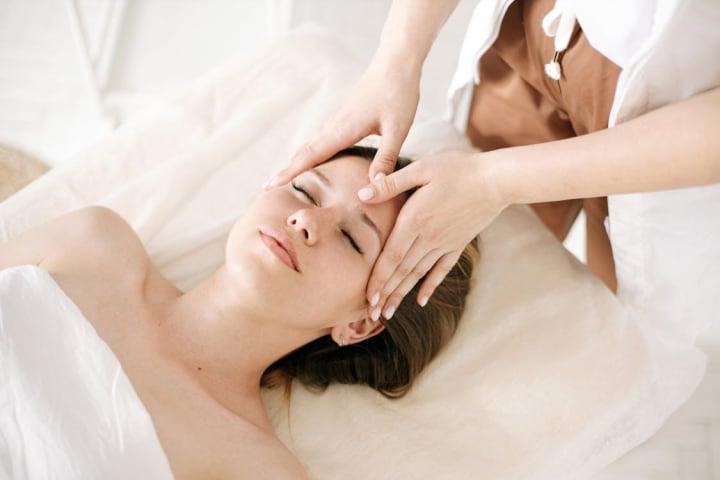
How to Manage Therapeutic Discomfort
- Communicate openly with your therapist about your comfort level
- Use breathing techniques to relax muscles during deeper strokes
- Hydrate well before and after your session to flush out toxins
- Expect mild soreness, especially after a deep tissue massage or sports massage
When Massage Becomes Painful
Signs that the pressure is too much:
- Sharp, stabbing, or burning sensations
- Numbness or tingling that persists during the session
- Pain that doesn’t subside shortly after pressure is released
- Increased swelling or bruising
- Feeling lightheaded or dizzy
If you experience any of these, immediately tell your massage therapist to reduce pressure or change techniques.
How to Communicate With Your Massage Therapist
Be Honest About Your Pain Threshold
Every body is different. What feels right to one person might feel too intense for another. When booking your massage appointment, mention any previous injuries, surgeries, or chronic pain conditions.
Give Feedback During the Massage
- Use a simple scale from 1 to 10 to rate pressure intensity
- Say if you prefer softer or firmer strokes
- Ask your therapist questions about what sensations to expect
- Don’t hesitate to ask for breaks or adjustments

Types of Massage and Expected Sensations
Deep Tissue Massage
This style works deeply into muscle layers to relieve chronic tension and pain. Discomfort is common but should never cross into sharp pain. It’s ideal for injury recovery or managing chronic pain conditions.
Relaxation Massage
A gentler technique focused on soothing the nervous system. This should feel calming and never painful, perfect for stress relief.
Hot Stone Massage
Heated stones warm muscles, allowing for deeper relaxation with less pressure. Discomfort should be minimal.
Manual Osteopathy
Combines massage with joint mobilization techniques. Some discomfort may occur but sharp pain signals a need to stop.
Benefits of Knowing Your Limits
Understanding the difference between therapeutic discomfort and harmful pain means you can:
- Avoid injury during treatment
- Maximize the benefits of your massage & wellness in Edmonton sessions
- Build trust with your therapist for a more customized experience
- Feel confident trying new techniques like craniosacral therapy or lymphatic drainage massage
Find Your Comfort Zone with Healing Oasis Massage & Wellness
Healing Oasis Massage & Wellness offers massage therapy in Edmonton that meets you where you are. Whether you want the best deep tissue massage to ease chronic pain, a relaxation massage to unwind, or a motor vehicle accident massage for injury recovery, their team guides you through every step.
Book your next massage appointment today at their massage center in Edmonton. Call 587-200-0480 to experience expert massage treatments delivered with care, comfort, and respect for your body’s signals.
About the Creator
Brian Smith
A passionate blogger who loves sharing ideas, stories, & insights on range of topics. I aim to inspire, inform, and engage readers with content that resonates, educates, and sparks conversation. Join me as we will explore new ideas together
Keep reading
More stories from Brian Smith and writers in Chapters and other communities.
Top 7 Atlas Mountain Hikes For All Skill Level
If Morocco’s rugged beauty is calling your name, there’s no better place to start than the majestic Atlas Mountains. Stretching across the heart of the country, the range offers a mix of scenic valleys, soaring peaks, and ancient Berber villages—and yes, there’s a trail here for everyone. Whether you’re just dipping your toes into hiking or you’re a seasoned trekker chasing your next challenge, this list breaks down the top Atlas Mountain hikes for all skill levels.
By Brian Smith10 months ago in Chapters
The Cave Part 6
If you have ever heard a tale about yourself that you cannot remember and doubtless think is made up, you will know how I felt when Tharkin related all that the eagle had seen of me before my memories were scattered. Of far distances and traveling companions that I did not recall, camping out under the stars and making our way to the mountains with deliberate purpose. The great bird had lost contact with my party once we entered the forests, and the seven other members were not seen again by him or his brethren since.
By Jamye Sharp24 days ago in Chapters


Comments
There are no comments for this story
Be the first to respond and start the conversation.