
What is the Difference Between a Web Proxy and a Proxy Server?
Here is the Difference Between a Web Proxy and a Proxy Server.
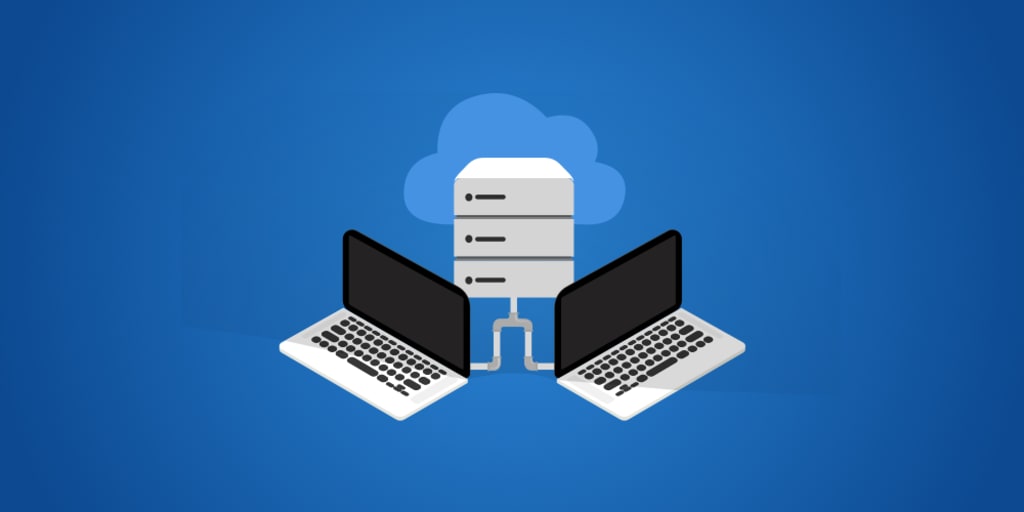
In the world of networking and cybersecurity, proxies play a crucial role in enhancing privacy, security, and performance. However, terms like "web proxy" and "proxy server" are often used interchangeably, leading to confusion. While both serve as intermediaries between a client and a destination server, their functionalities, use cases, and implementations differ significantly. This article explores the distinctions between a web proxy and a proxy server, helping you understand their roles and when to use each.
Understanding Proxies
A proxy is essentially an intermediary that sits between a client (such as a user’s device) and a server (such as a website or online service). By forwarding requests and responses, proxies help in controlling access, improving security, caching data, and hiding client identities.
What is a Proxy Server?
A proxy server is a broad term that refers to any system or software that acts as an intermediary between a client and a destination server. It intercepts and forwards requests from clients to the internet or other networks. Depending on its configuration and purpose, a proxy server can perform various tasks, including filtering content, balancing loads, caching, and providing anonymity.
Types of Proxy Servers
Proxy servers come in different types based on their functionality and usage:
Forward Proxy: Used by clients to access external resources. It helps in filtering traffic, improving security, and managing network requests.
Reverse Proxy: Placed in front of web servers to manage and optimize incoming traffic, providing load balancing, security, and caching.
Transparent Proxy: Does not modify requests or hide client IP addresses but is often used for content filtering and caching.
Anonymous Proxy: Hides the client’s IP address to enhance privacy.
High Anonymity Proxy: Offers stronger anonymity by frequently changing the IP address.
SOCKS Proxy: A general-purpose proxy that supports various types of traffic, including HTTP, FTP, and SMTP.
What is a Web Proxy?
A web proxy is a specific type of proxy server that primarily handles web traffic (HTTP and HTTPS). It is often used to provide anonymity, bypass content restrictions, or improve security by filtering web access. Web proxies are commonly accessed through web browsers and do not require special configuration on client devices.
Types of Web Proxies
Public Web Proxies: Free and easily accessible proxies used for anonymous browsing or bypassing geo-restrictions.
Private Web Proxies: Paid services that offer higher security, better speed, and reliability.
CGI Proxies: Web-based proxies that allow users to enter a URL and browse anonymously without changing network settings.
When to Use a Web Proxy vs. a Proxy Server?
Understanding when to use each type of proxy can help optimize network performance, enhance security, and maintain privacy.
Use Cases for a Web Proxy
Bypassing Website Restrictions: Web proxies are commonly used to access blocked websites or bypass regional restrictions.
Basic Anonymity: Users looking for quick anonymity while browsing the internet can use a web proxy.
School or Workplace Access: Employees or students use web proxies to bypass network restrictions.
No Configuration Required: When users need a temporary solution without changing device settings.
Use Cases for a Proxy Server
Enterprise Security and Filtering: Businesses use proxy servers to filter content, monitor usage, and prevent malware attacks.
Load Balancing and Performance Optimization: Reverse proxies help distribute traffic across multiple servers to prevent overload.
Caching for Speed Improvement: Proxy servers cache frequently accessed content to reduce bandwidth usage and improve load times.
Full Network Anonymity and Security: Unlike web proxies, full-fledged proxy servers can protect entire networks.
Conclusion
While both web proxies and proxy servers act as intermediaries in network communication, their applications and capabilities differ significantly. Web proxies are primarily browser-based and handle only web traffic, making them suitable for temporary, lightweight anonymity and bypassing restrictions. On the other hand, proxy servers offer comprehensive network solutions, enhancing security, performance, and anonymity across different traffic types. Understanding these differences will help users and organizations choose the right tool for their needs, ensuring optimal performance and protection in their online activities.
About the Creator
Keep reading
More stories from wayoyil link and writers in Chapters and other communities.
Is the Web Proxy Still Useful Now?
The internet landscape has evolved dramatically over the past few decades. Security threats have become more sophisticated, businesses rely more on cloud services, and privacy concerns are at an all-time high. Amidst these changes, web proxies—once a staple for security, content filtering, and anonymity—have faced challenges from emerging technologies like VPNs, cloud security solutions, and zero-trust architectures. This raises a crucial question: Is the web proxy still useful today?
By wayoyil link11 months ago in Chapters
Fair Exchange, No Robberies
Dark Memoirs - Index There are at least two kinds of people in the world: those who write this half-arsed kind of intro to a story that looks to separate the rare and the norm, and those who realise it's an overused framing device and don't.
By Paul Stewart17 days ago in Chapters


Comments
There are no comments for this story
Be the first to respond and start the conversation.