
What is the best way to waterproof a crawl space?
Discover the most effective methods for crawl space waterproofing to protect your home from moisture damage, improve air quality, and boost structural stability.

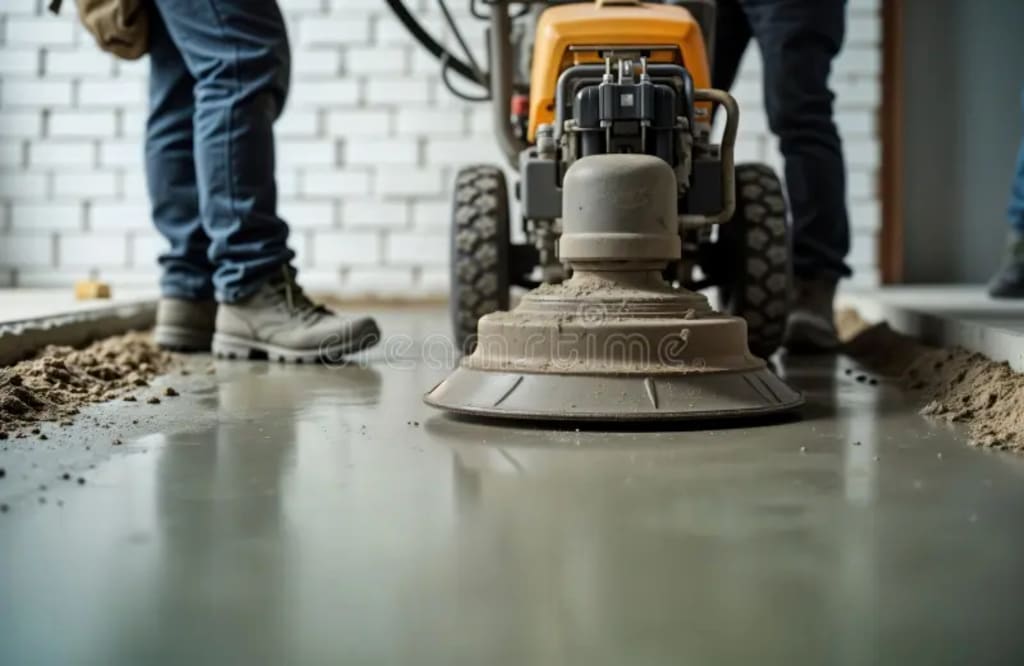
Crawl space waterproofing is one of the most crucial yet overlooked aspects of home maintenance. A damp or flooded crawl space doesn’t just compromise structural integrity—it can also affect indoor air quality, energy efficiency, and even your family’s health. Whether you're noticing musty odors, mold growth, or high humidity levels, waterproofing your crawl space is a preventive measure that pays off.
If your home has a pier and beam foundation, addressing crawl space moisture is even more important. These structures often have open spaces beneath them, making them more vulnerable to water intrusion if not sealed properly.
Signs You Need Crawl Space Waterproofing
Before diving into the best methods, let’s identify the red flags:
Standing water or persistent dampness
Musty or moldy odors in the home
Increased humidity or condensation on windows
Sagging or uneven floors
Pest infestations
Mold growth on wood or insulation
Early detection can prevent expensive repairs and protect your home from long-term damage.
Best Ways to Waterproof a Crawl Space
There’s no one-size-fits-all solution. The best crawl space waterproofing approach depends on your home’s structure, location, and specific water issues. Below are the most effective techniques:
1. Install a Vapor Barrier
A heavy-duty vapor barrier (typically 12 to 20 mil thick) is placed over the soil and crawl space walls. This plastic sheeting blocks moisture from seeping up through the ground and into your home.
Pro Tip: Choose reinforced polyethylene barriers for long-term durability.
2. Seal Vents and Gaps
Open vents can allow moist outside air into your crawl space, creating a breeding ground for mold and mildew. Sealing vents, wall gaps, and duct penetrations can significantly reduce humidity levels and improve insulation performance.
3. Interior Drainage System
An interior French drain along the perimeter of your crawl space can redirect water into a sump pit. This is an excellent solution if you already experience water accumulation after heavy rainfall.
4. Sump Pump Installation
If your crawl space regularly floods, a sump pump is essential. It collects water from the drainage system and pumps it out, preventing pooling and long-term damage.
Homes with existing Concrete Leveling work often benefit from pairing it with crawl space waterproofing to maintain a level and dry foundation surface.
5. Crawl Space Encapsulation
Encapsulation takes vapor barriers to the next level. In this method, the entire crawl space—including the floor, walls, and even support beams—is sealed off with a continuous barrier. A dehumidifier is also added to control moisture.
Encapsulation transforms the crawl space into a clean, dry, and energy-efficient area.
6. Exterior Waterproofing
This method involves excavating the exterior foundation walls and applying a waterproof sealant or membrane. While costlier, it prevents water from entering in the first place and is ideal for homes in flood-prone zones.
7. Grading and Landscape Management
Improper grading can direct rainwater toward your home instead of away from it. Reshaping the landscape and installing downspout extensions can greatly reduce crawl space moisture.
If water still finds its way into the crawl space, professional Tunneling services can provide targeted access for repairs without disturbing your home’s interior.
Benefits of Crawl Space Waterproofing
Improved Air Quality: Reduces allergens and mold spores circulating in your home.
Structural Protection: Prevents wood rot, foundation shifting, and floor sagging.
Energy Efficiency: A dry crawl space reduces heating and cooling costs.
Pest Control: Eliminates the damp environment that attracts insects and rodents.
Increased Home Value: A professionally waterproofed crawl space is a major selling point.
Common Mistakes to Avoid
Using thin, non-reinforced vapor barriers
Ignoring existing drainage or grading problems
Skipping dehumidification after encapsulation
Using DIY sealants instead of professional-grade products
Not consulting a specialist for serious water intrusion
Final Thoughts
When done right, crawl space waterproofing protects your investment, improves air quality, and contributes to a healthier home. It's not just about fixing problems—it's about preventing them.
Whether you live in a humid southern climate or an area with heavy rainfall, waterproofing is a necessity, not an option. And when you combine it with structural solutions like pier and beam stability checks, Concrete Leveling, and professional Tunneling, your home stands on a foundation that’s as strong as it is dry.
Frequently Asked Questions (FAQs)
1. How much does crawl space waterproofing cost?
Costs range from $3,000 to $10,000 depending on the size of the space, the extent of damage, and the methods used.
2. How long does crawl space waterproofing last?
When done professionally, it can last 20+ years, especially if paired with proper grading and regular maintenance.
3. Can I waterproof my crawl space myself?
Some tasks like laying vapor barriers may be DIY-friendly, but full encapsulation or sump pump installation should be left to professionals.
4. Is crawl space waterproofing worth the investment?
Absolutely. It protects your home’s structure, improves energy efficiency, and can prevent costly repairs down the road.
5. Does encapsulation stop mold growth?
Yes, when combined with dehumidifiers and proper sealing, encapsulation greatly reduces the conditions that cause mold.
About the Creator
FnF Foundation
We specialize in reliable, long-lasting foundation repair solutions for homes and businesses. Whether you're dealing with cracks, settling, or uneven floors, our experienced team is here to restore stability and peace of mind.
Keep reading
More stories from FnF Foundation and writers in Chapters and other communities.
Rebalancing Your Home with the Right Foundation Repair Approach
Your home’s foundation is something you might not think about every day, but it’s vital to the stability and safety of your property. Over time, various factors such as soil movement, water damage, or poor construction can cause your foundation to shift, crack, or settle. These foundation problems can manifest in different ways, such as sloping floors, cracking walls, or windows and doors that don’t close properly.
By FnF Foundation11 months ago in Chapters
Valentine's Dates Over the Years
Colin grinned as Brooklyn slipped into the living room. “Is it all set?” he asked. The twenty-one year old grinned. She was in her last year of college and Colin knew that Lincoln was proud of her. Although she had been away at college, she’d eagerly helped Colin plan his surprise for Lincoln. “I’m so glad you’re finally doing this,” she said.
By Reb Kreyling25 days ago in Chapters



Comments
There are no comments for this story
Be the first to respond and start the conversation.