
What is SEO in Digital Marketing?
The Importance of SEO in Digital Marketing

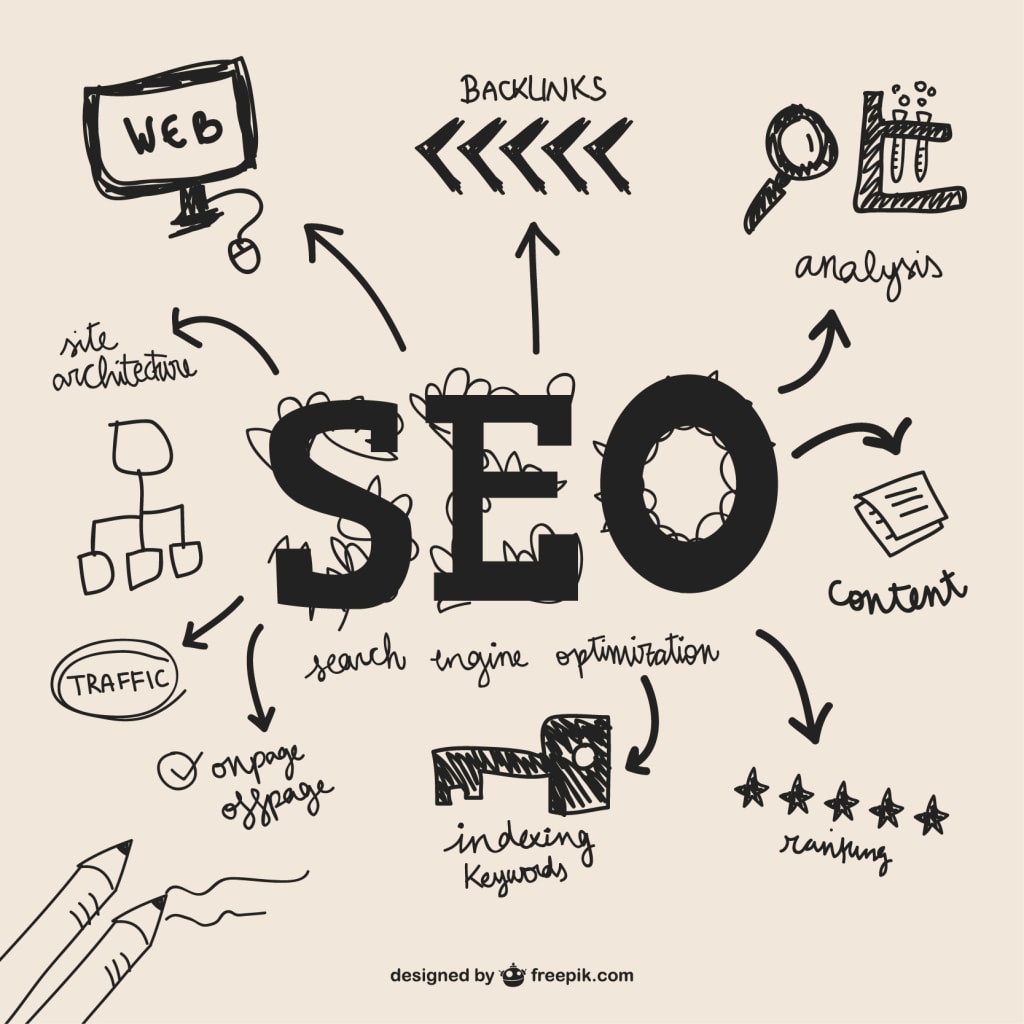
Search Engine Optimization (SEO) is a critical component of digital marketing that focuses on enhancing the visibility of a website or web page in a search engine’s organic (non-paid) results. In simpler terms, SEO involves a series of strategies, techniques, and tactics used to improve the position of a website on search engine results pages (SERPs) like Google, Bing, and Yahoo. The higher a website ranks on these pages, the more likely it is to attract organic traffic—visitors who arrive at the site naturally, rather than through paid advertisements.
The Core Elements of SEO
SEO can be divided into several core elements, each of which plays a vital role in a website’s visibility and success:
1. On-Page SEO: This aspect involves optimizing individual web pages to rank higher in search engine results. It includes keyword research, optimizing meta tags (title, description, headers), content creation, and ensuring the website is mobile-friendly. Keywords are phrases or terms that users type into search engines when looking for information, products, or services. By strategically placing relevant keywords in the content, businesses can increase their chances of being found by potential customers.
2. Off-Page SEO: Off-page SEO focuses on activities outside the website that impact its ranking on search engines. This includes link building (acquiring backlinks from other reputable sites), social media marketing, influencer outreach, and guest blogging. Backlinks are crucial because they signal to search engines that other websites consider the content valuable and trustworthy, thereby boosting its ranking.
3. Technical SEO: This involves optimizing the backend structure and foundation of a website. Technical SEO ensures that a website is fast, secure, and easy for search engine bots to crawl and index. Elements like site speed, mobile-friendliness, XML sitemaps, and website architecture fall under this category. A well-optimized website in terms of technical SEO can significantly improve user experience, leading to higher engagement rates and better rankings.
4. Local SEO: For businesses that operate on a local level, optimizing for local search is essential. Local SEO focuses on making sure that a business appears in local search results. This involves optimizing the Google My Business profile, getting positive customer reviews, and ensuring that the business’s name, address, and phone number (NAP) are consistent across the web.
The Importance of SEO in Digital Marketing
SEO plays an indispensable role in digital marketing for several reasons. Here’s why it’s crucial:
1. Increased Visibility and Traffic
The primary goal of SEO is to improve a website’s ranking in search engine results. When a website ranks higher, it’s more likely to be seen by users, leading to increased visibility. Higher visibility translates to more organic traffic, which is essential for the success of any online business. Unlike paid advertising, which requires ongoing investment, organic traffic generated through SEO can be a long-term source of visitors.
2. Builds Credibility and Trust
Websites that rank higher in search results are often perceived as more credible and trustworthy by users. This is because search engines like Google use sophisticated algorithms to determine the relevance and quality of a website’s content. By following SEO best practices, businesses can establish their site as an authority in their industry, which can lead to higher levels of trust among potential customers.
3. Better User Experience
SEO is not just about optimizing for search engines; it’s also about improving the user experience. A well-optimized website is easy to navigate, loads quickly, and provides valuable, high-quality content. All of these factors contribute to a better user experience, which in turn can lead to higher engagement rates, longer time spent on the site, and lower bounce rates. These positive signals can further improve a website’s ranking in search engine results.
4. Cost-Effectiveness
Compared to other digital marketing strategies like pay-per-click (PPC) advertising, SEO is relatively cost-effective. While PPC campaigns require businesses to pay for every click on their ads, SEO focuses on attracting organic traffic, which doesn’t involve a direct cost per visitor. Although SEO requires an investment of time and resources upfront, the long-term benefits can be significant, making it a cost-effective strategy for businesses of all sizes.
5. Sustainable Results
One of the key advantages of SEO is that it delivers sustainable results. Unlike paid advertising, which stops delivering traffic as soon as you stop paying for it, SEO can continue to drive traffic to your site long after the initial optimization efforts have been completed. Once a website achieves a high ranking in search results, it can maintain that position with minimal ongoing effort, provided that the content remains relevant and the site continues to adhere to SEO best practices.
6. Competitive Advantage
In today’s digital landscape, most businesses understand the importance of having an online presence. However, not all businesses invest in SEO. By implementing a robust SEO strategy, you can gain a competitive advantage over rivals who may not be optimizing their websites as effectively. Ranking higher in search results can help you capture a larger share of the market, attract more customers, and ultimately increase your revenue.
7. Insights into Customer Behavior
SEO provides valuable insights into customer behavior and preferences. Tools like Google Analytics allow businesses to track various metrics, such as which keywords are driving traffic, how users are interacting with the site, and which pages are most popular. These insights can help businesses refine their marketing strategies, improve their content, and better meet the needs of their target audience.
Conclusion
SEO is a fundamental aspect of digital marketing that offers numerous benefits, from increased visibility and traffic to improved user experience and credibility. In a highly competitive online environment, having a well-optimized website can be the difference between success and obscurity. By investing in SEO, businesses can build a strong online presence, attract more customers, and achieve long-term success in the digital world.
About the Creator
Padmapriya B
Discover valuable insights and tips to enhance your investment journey. Read on for expert advice!
Keep reading
More stories from Padmapriya B and writers in Chapters and other communities.
Best Digital Marketing Course
Digital marketing has rapidly become one of the most sought-after skills in the job market. With the increasing shift of businesses to online platforms, having expertise in digital marketing can open doors to numerous career opportunities. However, with so many courses available, choosing the best one can be overwhelming, especially for beginners. This guide will help you understand what to look for in a digital marketing course and why it's beneficial for those just starting out.
By Padmapriya B2 years ago in Education



Comments
There are no comments for this story
Be the first to respond and start the conversation.