
What Happens When a Whale Dies:
The Journey of a Fallen Giant
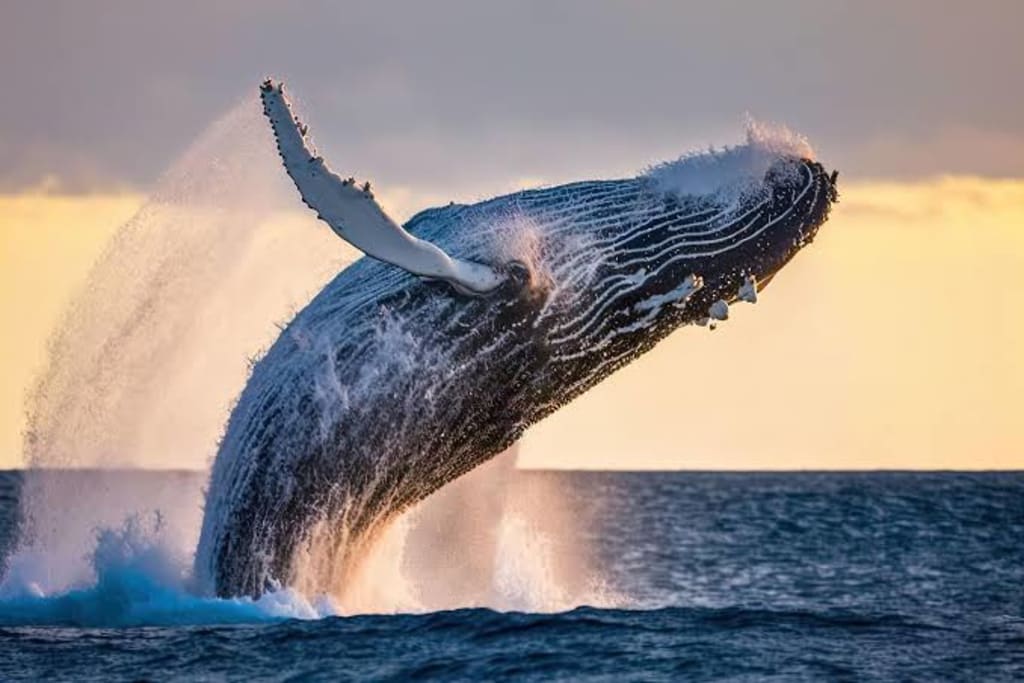
## What Happens When a Whale Dies: The Journey of a Fallen Giant
Whales are majestic giants of the ocean, and their deaths mark the beginning of a complex and fascinating natural process. When a whale dies, it triggers a series of events that contribute significantly to marine ecosystems. This blog explores what happens when a whale dies, from the immediate aftermath to the long-term ecological impact.
The Death of a Whale
When a whale dies, several factors determine what happens to its body:
Location of Death: Whether the whale dies near the shore or in the open ocean affects the subsequent processes.
Cause of Death: Natural causes, disease, or human activities (such as ship strikes or entanglement) can influence the decomposition process.
### Immediate Aftermath of a Whale’s Death
When a whale dies, it either sinks to the ocean floor or remains buoyant at the surface for a period. Several factors influence this outcome:
1. **Buoyancy**: Freshly deceased whales often float due to the gases produced during decomposition. These gases cause the whale's body to bloat and rise to the surface.
2. **Environmental Conditions**: Ocean currents, water temperature, and the whale’s size and species affect whether it floats or sinks.
### Surface Scavenging
If a whale remains at the surface, it attracts a variety of marine scavengers. This stage is critical as it begins the process of nutrient recycling in the ocean:
1. **Scavengers**: Sharks, seabirds, and fish gather to feed on the whale’s flesh.
2. **Decomposition**: As scavengers consume the whale, decomposition accelerates, and gases eventually escape, causing the whale to sink.
### The Whale Fall
When a whale's carcass sinks to the ocean floor, it creates a unique ecosystem known as a "whale fall." This process occurs in several stages, providing sustenance to deep-sea organisms for decades.
#### Stage 1: Mobile Scavenger Stage
The first stage of a whale fall involves large scavengers:
1. **Duration**: This stage can last several months to a few years.
2. **Scavengers**: Deep-sea species like hagfish, sleeper sharks, and amphipods consume the soft tissue.
#### Stage 2: Enrichment Opportunist Stage
As the carcass is stripped of soft tissue, smaller organisms move in:
1. **Duration**: This stage can last months to years.
2. **Organisms**: Worms, crustaceans, and mollusks colonize the bones and surrounding sediments, feeding on the leftover organic matter.
#### Stage 3: Sulfophilic Stage
The final and longest stage involves the breakdown of the whale’s bones:
1. **Duration**: This stage can last decades.
2. **Chemosynthetic Bacteria**: These bacteria break down bone lipids, producing hydrogen sulfide.
3. **Unique Ecosystems**: Specialized organisms like bone-eating worms (Osedax) and clams thrive in these hydrogen sulfide-rich environments, creating a unique deep-sea ecosystem.
### Ecological Impact of Whale Falls
Whale falls play a crucial role in deep-sea ecosystems:
1. **Biodiversity Hotspots**: Whale falls create oases of life in the nutrient-poor deep-sea environment, supporting a high diversity of species.
2. **Nutrient Recycling**: They contribute to the recycling of nutrients, enriching the surrounding sediments and supporting various life forms.
3. **Evolutionary Insights**: Studying whale falls helps scientists understand evolutionary adaptations and the development of unique deep-sea organisms.
### Conclusion
The death of a whale is far from the end of its ecological contribution. From surface scavenging to the formation of deep-sea ecosystems, whale falls are vital to marine life. Understanding this process highlights the interconnectedness of ocean ecosystems and the importance of conserving these magnificent creatures and their habitats.
About the Creator
Tresha Kevin
I am Tresha Kevin an experienced content writer from the USA, boasting a decade of expertise in crafting engaging and informative content. With a keen eye for detail and a passion for story telling.
Keep reading
More stories from Tresha Kevin and writers in Chapters and other communities.
Understanding Cancer
## Understanding Cancer: A Comprehensive Guide Cancer is one of the most daunting diagnoses a person can receive. This complex group of diseases involves the uncontrolled division of abnormal cells in the body, which can invade nearby tissues and spread to other parts of the body. In this blog, we aim to provide an in-depth understanding of cancer, its types, symptoms, treatment options, and preventive measures.
By Tresha Kevin2 years ago in Lifehack



Comments
There are no comments for this story
Be the first to respond and start the conversation.