
What are The Steps of Distillation Process?
The distillation process in industry stands as a cornerstone of chemical engineering, providing a fundamental method for separating liquid mixtures.
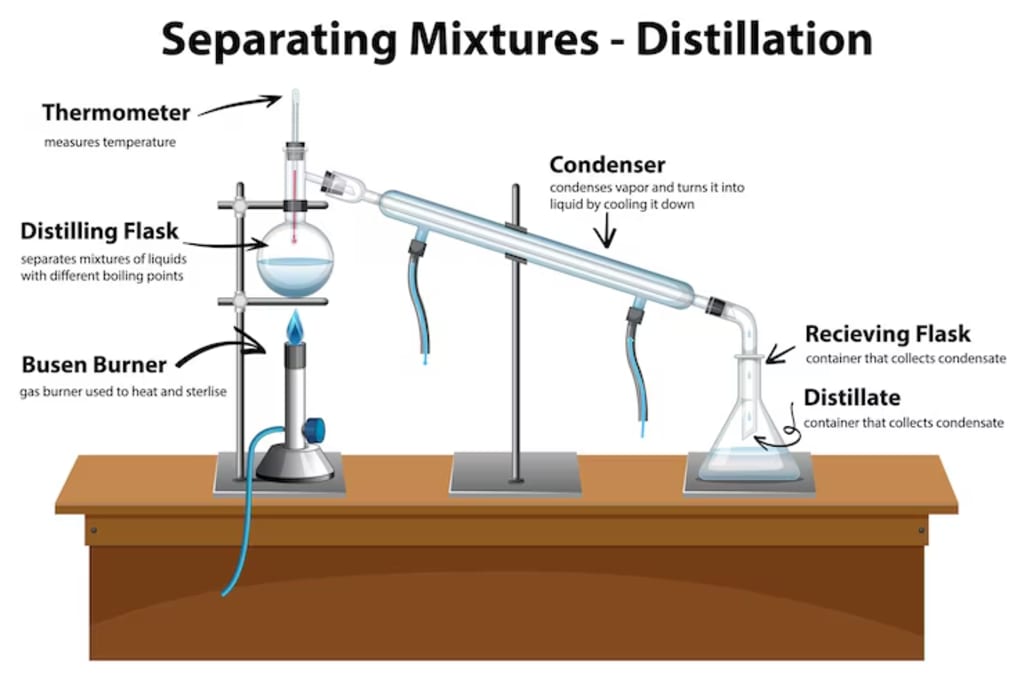
The distillation process in industry stands as a cornerstone of separation techniques. It plays a pivotal role in refining a vast array of substances that underpin our daily lives. From the fuels that power our vehicles to the life-saving pharmaceuticals, distillation is an indispensable process. This blog aims to meticulously explore the essential steps that constitute this vital industrial operation. Furthermore, we will briefly touch upon the crucial distillation equipment that makes it all possible.
The Core Steps of the Distillation Process
The distillation process in industry follows a series of well-defined steps. These steps ensure efficient separation of components. Let's delve into each stage.
Step 1: Feed Introduction
First, the mixture enters the distillation equipment. This initial mixture is called the feed. It contains different components. These components have varying boiling points.
Step 2: Heat Application
Next, we apply heat to the feed. This heat increases the temperature. The component with the lowest boiling point starts to vaporize first.
Step 3: Vapor Formation
As heating continues, more of the lighter component turns into vapor. These vapors rise upwards in the distillation column. The heavier components remain in liquid form.
Step 4: Vapor Ascent
The generated vapors move up the column. The temperature gradually decreases along the height. This temperature gradient is essential for separation.
Step 5: Condensation
As the vapors rise and cool, they reach a point where they condense. This means they change back into liquid form. This condensation typically happens on trays or packing material inside the column.
Step 6: Collection of Distillate
The condensed liquid, now richer in the lighter component, is collected. This collected liquid is called the distillate. It is one of the separated products.
Step 7: Collection of Residue
Meanwhile, the heavier components that did not vaporize remain at the bottom. This remaining liquid is called the residue or bottoms product. It is the other separated product.
Step 8: Reflux
In many industrial applications, a portion of the distillate is returned to the top of the column. This returned liquid is called reflux. Reflux enhances the separation efficiency. It provides more liquid for the rising vapors to interact with. This interaction leads to purer separation.
Step 9: Continuous Operation
Industrial distillation units often operate continuously. This means the feed is constantly introduced. Simultaneously, the distillate and residue are continuously removed. This ensures a steady and efficient production rate.
Key Considerations in Industrial Distillation
Several factors influence the efficiency of the distillation process in industry. These include the design of the distillation equipment. The operating pressure and temperature are also crucial. Furthermore, the properties of the mixture being separated play a significant role. Choosing the right distillation supplier is therefore important. They can provide expertise and suitable Industrial Distillation Equipment.
Types of Industrial Distillation
There are different types of industrial distillation. Each type is suited for specific applications.
Fractional Distillation: This is used to separate liquids with close boiling points. It involves a tall column with a temperature gradient. Crude oil refining is a prime example.
Steam Distillation: This method is used for temperature-sensitive materials. Steam is introduced to lower the boiling point of the desired component. It is often used for extracting essential oils.
Vacuum Distillation: This technique is employed when the boiling points are very high. Reducing the pressure lowers the boiling points. This prevents thermal decomposition of the substances.
Azeotropic Distillation: This method is used to separate azeotropes. Azeotropes are mixtures with constant boiling points. It involves adding an entrainer to break the azeotrope.
The Importance of Distillation Equipment
The right distillation equipment is vital for an effective separation. Different column designs exist, such as packed columns and tray columns. Heat exchangers are used for heating and cooling. Pumps move the liquids. Control systems ensure stable operation. Selecting a reliable distillation supplier ensures quality and performance of the Industrial Distillation Equipment.
Conclusion
The distillation process in industry stands as a cornerstone of chemical engineering, providing a fundamental method for separating liquid mixtures. The process meticulously involves the controlled vaporization of more volatile components followed by their subsequent condensation and collection. A thorough understanding of these sequential steps is absolutely crucial for a wide spectrum of industrial applications. Ultimately, the careful selection and implementation of appropriate Industrial Distillation Equipment, often guided by the expertise of a reliable distillation supplier, are essential for achieving efficient and effective separation outcomes, underscoring the vital role of this process in modern manufacturing.
Looking for top-quality industrial distillation solutions? Alaqua offers a comprehensive range of advanced distillation equipment and expert services. Partner with them to optimize your separation processes and achieve unparalleled purity. Visit their website or contact them today to learn more about how their tailored solutions can meet your specific industrial needs.
About the Creator
Keep reading
More stories from writers in Chapters and other communities.




Comments
There are no comments for this story
Be the first to respond and start the conversation.