
What Are Phytonutrients?
Protect Your Body From Disease

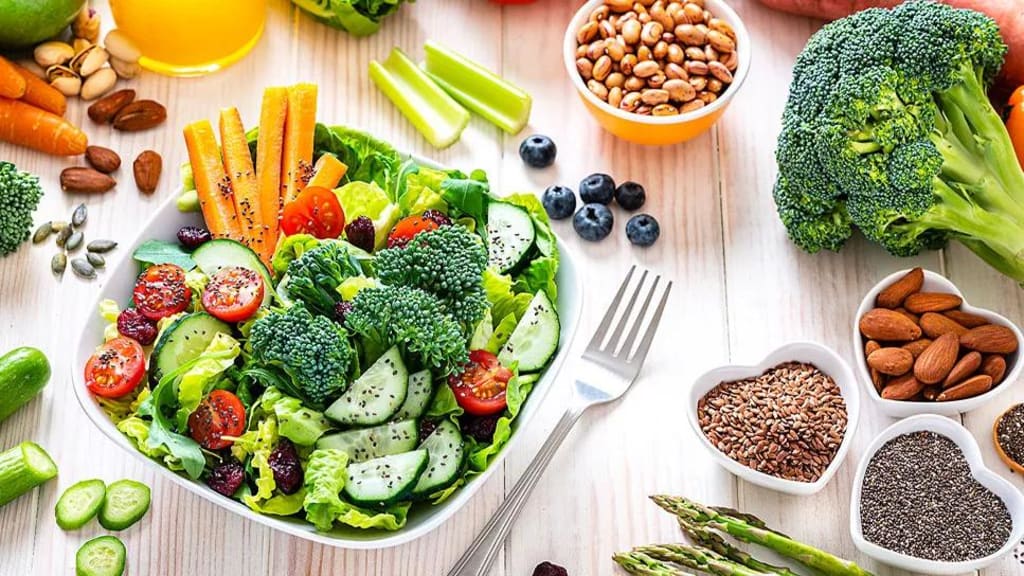
Plant-based foods contain many natural nutrients collectively known as phytonutrients or phytochemicals—the term "phyto" comes from the Greek word for plant.
These chemicals help protect plants from germs, fungi, insects, and other threats.
There are more than 25,000 phytonutrients found in plant-based foods.
The six most important phytonutrients are:
1. Carotenoids
2. Ellagic Acid
3. Flavonoids
4. Resveratrol
5. Glucosinolates
6. Phytoestrogens
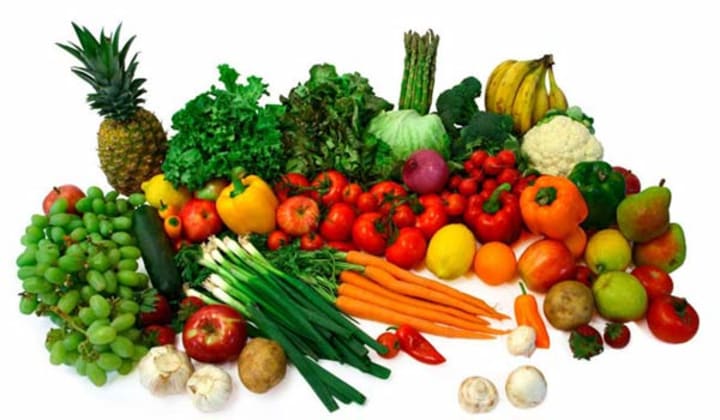
Where Are Phytonutrients Found?
Unlike vitamins and minerals, which are essential for sustaining life, phytonutrients are not necessary for survival.
However, consuming them through food can help prevent diseases and support the proper functioning of your body.
Foods rich in phytonutrients include:
• Fruits and vegetables
• Whole grains
• Nuts
• Legumes
• Tea
1. Carotenoids
More than 600 carotenoids give fruits and vegetables their yellow, orange, and red colors.
Carotenoids act as antioxidants in the body, meaning they help fight harmful free radicals that damage tissues.
The main types of carotenoids include:
• Alpha-carotene, beta-carotene, and beta-cryptoxanthin: The body can convert these into vitamin A, which supports immune function and is essential for eye health.
Foods such as pumpkin and carrots are excellent sources of alpha- and beta-carotene.
Sweet red peppers also contain beta-cryptoxanthin.
• Lycopene: This carotenoid gives fruits and vegetables a red or pink color.
It is found in tomatoes, watermelon, and red grapefruit and has been linked to a lower risk of prostate cancer.
• Lutein and zeaxanthin: These carotenoids may help protect against cataracts and age-related macular degeneration, both of which affect eye health.
Leafy greens such as kale and spinach are rich sources.
2. Ellagic Acid
Ellagic acid is found in many berries and other plant foods, particularly in strawberries, raspberries, and pomegranates.

It may help protect against cancer by slowing the growth of cancer cells and aiding the liver in neutralizing carcinogenic toxins.
However, most studies on ellagic acid have been conducted in laboratories, so its benefits for human health are still unconfirmed.
3. Flavonoids
A large number of phytonutrients fall under the category of flavonoids, which are found in various plant foods.
The main types of flavonoids include:
• Catechins: Green tea is a particularly good source of catechins, which may help prevent certain types of cancer.
• Hesperidin: This flavonoid, found in citrus fruits, acts as an antioxidant that reduces inflammation and may help prevent chronic diseases.
• Flavonols: Quercetin is a well-researched flavonol found in apples, berries, kale, and onions.
Studies suggest that flavonols may reduce the risk of asthma, certain cancers, and coronary heart disease.
4. Resveratrol
Resveratrol is a phytonutrient found in grapes, grape juice, and red wine.
It has anti-inflammatory and antioxidant properties.
Recent studies suggest that resveratrol may help reduce the risk of heart disease and certain cancers.
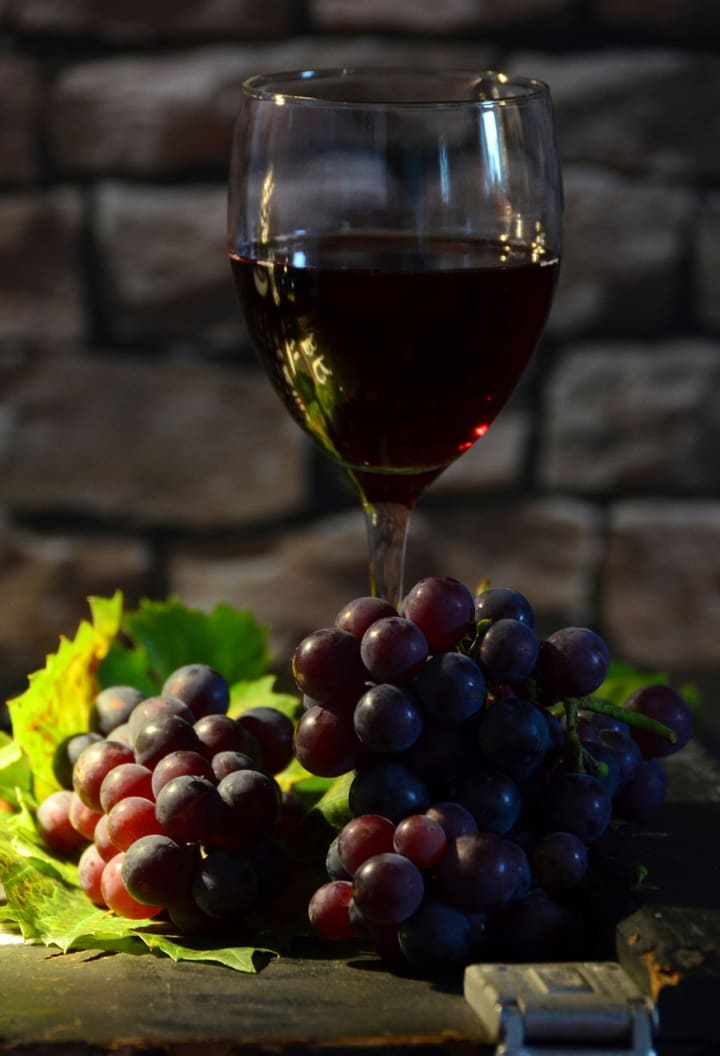
Some evidence indicates that consuming resveratrol from plant-based foods may extend lifespan in laboratory animals.
However, more human studies are needed to confirm these effects.
5. Glucosinolates
Glucosinolates are found in cruciferous vegetables such as cabbage, Brussels sprouts, kale, and broccoli.
These phytochemicals give these vegetables their strong aroma and flavor.
During cooking and digestion, glucosinolates are converted into other chemicals that may help slow or stop cancer development and growth.
6. Phytoestrogens
Estrogen is a female hormone, and due to their structure, phytoestrogens can have effects similar to estrogen.
They can also block the effects of the body's natural estrogen supply.
Soy-based foods contain isoflavones, a type of phytoestrogen.
Some studies suggest that soy-based foods may be associated with:
• A reduced risk of endometrial cancer
• A lower risk of bone loss in women
Lignans, another type of phytonutrient, are converted by the body into chemicals with estrogen-like effects.
Two particularly good sources of lignans are flaxseeds and sesame seeds.
About the Creator
Keep reading
More stories from Sasho Gjorevski and writers in Chapters and other communities.
The Guardian Chapter V
Alexander left his Coming of Age ceremony with Cronos and the elders with as many new questions as he had answers for his old questions. Cronos had confirmed his suspicions were correct. Not only was there a link between the Beast Masters and the inhabitants of the Citadel, but it was the Citadel's fault that the Beast Masters existed in the first place. Instead of banishing the law breakers which allowed them to wreak havoc on the rest of humanity, the Citadel elders should have stripped them of their powers before they became too strong. Now Alexander would need to battle the Beast Masters and the Jikininki. It would be difficult for him to forgive the Citadel Elders because their poor decisions led to the deaths of his parents and more than half the planet's human population.
By Mark Gagnon15 days ago in Chapters
Businesswoman Chapter 362
Common Man yelled to Socialista who yelled to Fascinder. “I can hear!” he called back at her. “We’re really doing this. We’re going to show how we’re not desperate but disparate. We have different approaches to this scene but we’re essentially playing the same role.”
By Skyler Saunders5 days ago in Chapters




Comments
There are no comments for this story
Be the first to respond and start the conversation.